Teaching AI Literacy to Students: How Schools Are Helping Kids See Chatbots’ Flaws
Generative AI tools like chatbots are showing up in classrooms long before students fully understand how they work or where they go wrong. In response, schools are beginning to teach "AI literacy" as a core skill, not a tech novelty. Instead of simply warning kids away from AI, educators are helping them see its blind spots, question what it produces, and use it responsibly as one tool among many. This article explores practical ways schools are building AI-savvy students.
Why AI Literacy Belongs in Every Classroom
Chatbots and other AI tools have moved from science fiction into students’ daily lives. They help draft essays, solve math problems, suggest code, and even answer personal questions. Yet most young people have only a vague sense of how these systems work or where they fail. For schools, the challenge is no longer whether AI should appear in classrooms, but how to ensure students can use it critically, safely, and ethically.
AI literacy goes beyond teaching which buttons to press. It means understanding that chatbots can be wrong, biased, or misleading—even when they sound confident and polished. It also means learning when AI is helpful, when it is harmful, and how to make informed choices about using it.

What Is AI Literacy for Students?
AI literacy is the ability to understand, question, and appropriately use artificial intelligence systems. In a school context, it overlaps with digital citizenship and media literacy, but with a focus on how algorithms shape information and decisions.
Core components of AI literacy
- Basic understanding of how AI works: Not full-on computer science, but knowing that chatbots predict likely words based on patterns from training data.
- Recognizing limitations and flaws: Realizing that AI does not “know” things the way humans do, and can make up facts.
- Critical evaluation of outputs: Questioning AI responses instead of accepting them as authoritative.
- Awareness of bias and fairness: Seeing how training data and design choices can skew results.
- Ethical and safe use: Protecting privacy, avoiding plagiarism, and respecting school rules and broader laws.
Framing AI literacy this way helps teachers go beyond fear or hype and treat AI as another powerful, imperfect tool students must learn to handle.
Why Schools Focus on Chatbots’ Flaws
Many schools are starting their AI literacy efforts by emphasizing what chatbots cannot reliably do. This might sound negative, but it serves an important purpose: students tend to trust technology that sounds confident. When a chatbot gives a clear, persuasive answer, it can feel more credible than it actually is.
The problem of “hallucinations”
One major weakness is the tendency of chatbots to produce false or fabricated information—often called “hallucinations.” For example, an AI might invent a study, misquote a source, or confidently assert a historical date that is simply wrong.
- It does not always know when it is uncertain.
- It can blend real facts with invented details.
- It rarely provides verifiable citations by default.
Helping students experience these flaws firsthand is one of the fastest ways to build healthy skepticism.
Designing Classroom Activities That Reveal AI’s Limits
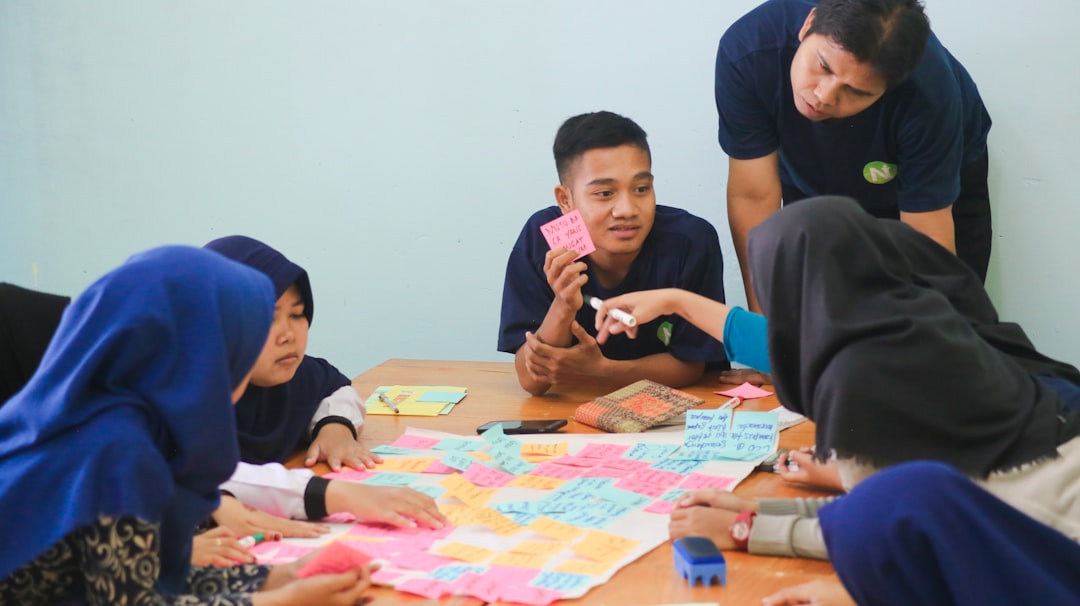
Instead of lecturing about AI’s problems, many educators are designing hands-on activities that let students discover the flaws themselves. This makes the lesson more memorable and builds the habit of checking AI against reality.
Fact-checking challenges
One simple activity: ask a chatbot a set of questions on a topic students are studying—such as local history, a novel they have read, or a science concept. Then have students verify each claim using trusted sources.
- Generate a chatbot answer to a curriculum-related question.
- Highlight key factual statements in the response.
- Assign small groups to confirm or refute each statement using books, peer-reviewed articles, or vetted websites.
- Have groups present which parts were accurate, partly true, or false.
- Discuss why the AI might have gone wrong and how students spotted it.
This approach turns AI into a starting point for inquiry, not the final authority.
Teaching Students to Question Chatbots
AI literacy is as much about mindset as it is about mechanics. Schools are increasingly teaching students to treat AI responses like any other source: something to interrogate, compare, and sometimes reject.
Questions students should learn to ask
- Who might have created the data this system learned from?
- What perspective or cultural bias could be built in?
- What sources does this answer rely on, and can I see them?
- How would I verify this claim with independent evidence?
- What important voices or viewpoints might be missing?
These questions connect directly to existing media literacy lessons about advertising, social media, and news, making it easier for teachers to integrate AI without redesigning their entire curriculum.
Comparing AI Answers to Human Work
Another powerful classroom strategy is to place AI-generated work side by side with human-created examples. This makes subtle differences in reasoning, nuance, and originality more visible.
| Aspect | Typical Chatbot Output | Thoughtful Student Work |
|---|---|---|
| Depth of insight | Broad, surface-level explanations | Specific examples, personal connections |
| Voice and style | Generic, polished, impersonal tone | Unique phrasing, varied tone, clear personality |
| Evidence use | Vague references, limited citations | Concrete sources, quotations, and data |
| Originality | Recombination of existing patterns | Novel ideas, questions, or interpretations |
Discussing this comparison helps students see where AI falls short of genuine critical thinking, and why teachers still value their own voices.
Helping Students Use AI Without Cheating
One concern for schools is the temptation to let a chatbot do the thinking in place of the student. Some are responding with outright bans, but many others are taking a more nuanced approach: allowing AI for certain stages of work, while making clear where it is off-limits.
Examples of acceptable AI use
- Brainstorming topics or outlining ideas.
- Rephrasing text to clarify meaning (while keeping the original ideas).
- Checking grammar on a draft the student has already written.
- Exploring alternative explanations of a concept when stuck.
Where AI is usually not allowed
- Writing entire essays or assignments.
- Completing take-home tests or graded problem sets.
- Generating personal reflections or creative work claimed as original.
Clear guidelines, repeated often, help students understand that AI can support learning but cannot replace the learning process itself.
Copy-Paste Classroom Guideline for AI Use
“In this class, you may use AI tools to brainstorm ideas, clarify concepts, and check grammar. You may not have AI fully write graded assignments or solve test questions for you. If you use AI at any stage, you must note how you used it at the end of your work.”
Privacy, Safety, and Age-Appropriate Use
Another crucial part of AI literacy is teaching students what not to share with chatbots. Many tools store prompts and responses, and some use them to improve future models. That makes privacy education essential.
Key safety points to emphasize
- Never share full names, addresses, phone numbers, or school details.
- Avoid typing sensitive health, financial, or family information.
- Remember that anything you enter might be stored or reviewed.
- Understand that age restrictions on certain AI tools exist for a reason.
For younger students, schools may choose AI tools designed with stronger privacy protections and educator controls, or limit access to supervised classroom sessions.
Supporting Teachers Who Are Still Learning AI Themselves
Many teachers are being asked to guide AI use before they feel fully comfortable with the technology. Successful school efforts recognize this and invest in staff learning alongside students.
Practical support schools can offer
- Short, focused training sessions on what AI can and cannot do.
- Shared lesson plans and activities that other teachers have tested.
- Time for departments to discuss consistent AI expectations.
- Clear, flexible policies from administrators instead of one-time memos.
When teachers have space to experiment with AI themselves, they are better able to model thoughtful use and admit when they, too, are learning.
Building a Whole-School Approach to AI Literacy
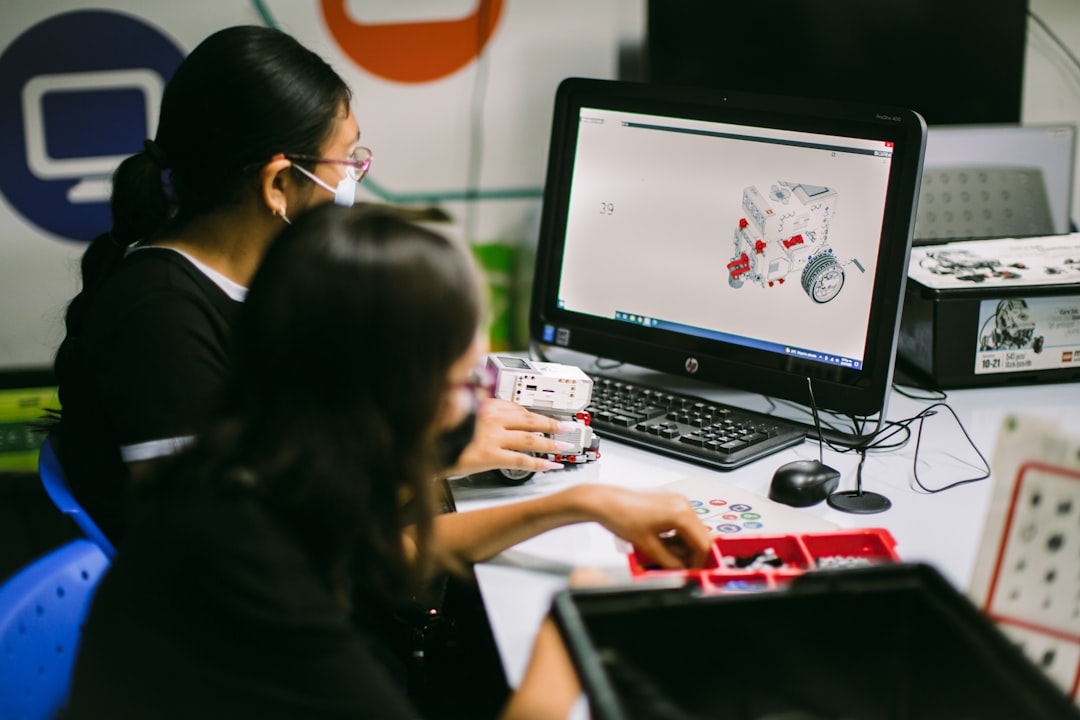
AI literacy works best when it is not just one isolated lesson in a computer lab. Schools are starting to weave it into multiple subjects, from English and social studies to science and art.
Ways to integrate AI literacy across the curriculum
- English: Analyze AI-written essays for structure but critique their originality.
- History: Compare chatbot summaries of events with primary sources.
- Science: Use AI to generate hypotheses, then test them against real data.
- Art and media: Discuss authorship, copyright, and the ethics of AI-generated images or music.
By encountering AI in many contexts, students come to see it as part of the broader information landscape they must navigate—not a magic answer machine.
Final Thoughts
As AI tools become an everyday part of students’ lives, ignoring them is no longer an option for schools. Teaching AI literacy—especially the flaws and limits of chatbots—helps young people become more discerning, independent thinkers. Rather than framing AI as either a miracle or a menace, educators can guide students to see it as a fallible partner: sometimes helpful, sometimes misleading, always in need of human judgment. In doing so, schools are not just keeping up with technology; they are strengthening the core skills that will matter no matter how AI evolves.
Editorial note: This article is an independent analysis inspired by reporting on schools and AI literacy from the Bozeman Daily Chronicle. For further context, see the original coverage at bozemandailychronicle.com.