Social Selling Strategies for B2B Growth in 2026
In 2026, the most effective B2B sales teams don’t just cold call—they build relationships where their buyers already spend time: on social platforms. Social selling has evolved from posting the occasional update to a structured, data-driven revenue channel. This guide breaks down the strategies, tools, and workflows your team can use right now to turn social engagement into qualified pipeline and measurable revenue.
Why Social Selling Matters More Than Ever in 2026
Social selling isn’t a buzzword anymore; it’s a core channel for B2B revenue. Buyers are digitally native, communities have moved into private and semi-private spaces, and decision-makers research vendors long before they accept a meeting. In 2026, the companies winning complex B2B deals are those whose sales and marketing teams treat social platforms as an extension of the sales process, not just a brand awareness tool.
Instead of relying on cold calls and mass emails alone, modern sales teams are building trust publicly, joining buyer conversations early, and nurturing opportunities through consistent, value-led engagement on LinkedIn, X (formerly Twitter), niche communities, and even messaging apps.
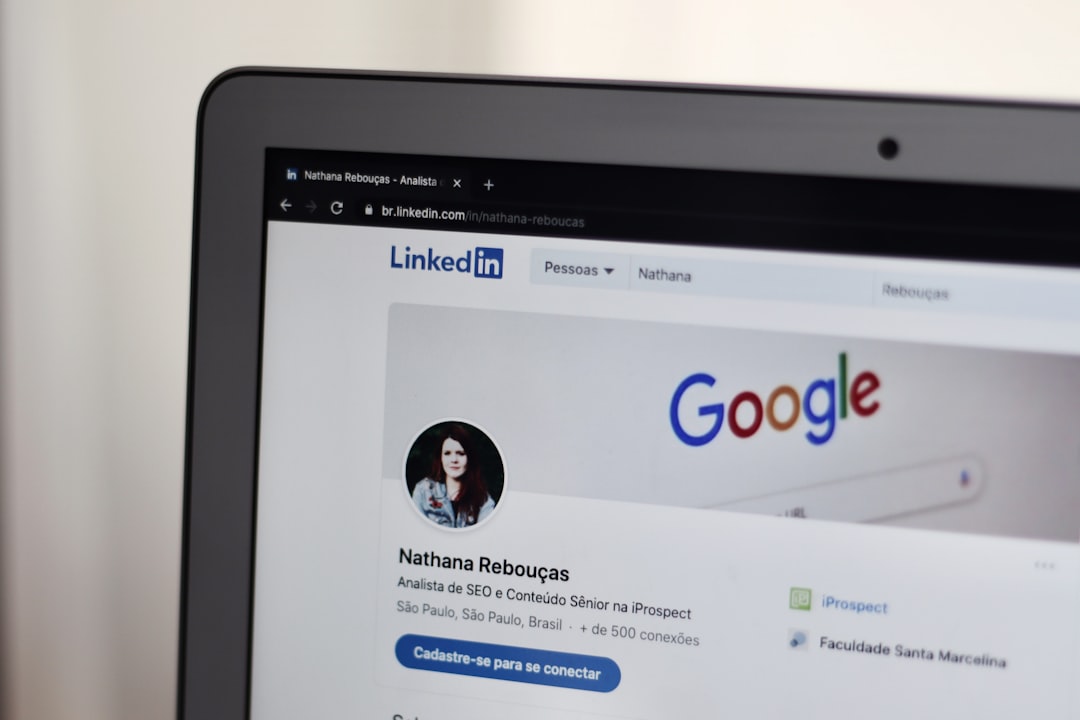
Defining Social Selling for B2B in 2026
Social selling is the practice of using social networks and online communities to identify, research, engage, and build relationships with prospects that lead to sales opportunities. It’s not the same as social media marketing, which focuses more on brand-wide content and campaigns. Social selling is closer to one-to-one or one-to-few selling, but done in public and semi-public digital spaces.
Key Elements of Modern Social Selling
- Personal presence: Sales reps and subject-matter experts use their own profiles to build credibility and visibility.
- Relevant content: Sharing and creating posts that directly address buyers’ pains, questions, and goals.
- Thoughtful engagement: Commenting, messaging, and participating in discussions rather than broadcasting pitches.
- Targeted outreach: Using social data to find and prioritize ideal accounts and decision-makers.
- Relationship nurturing: Staying top of mind with prospects through consistent value, not constant selling.
How Social Selling Has Evolved by 2026
The fundamentals haven’t changed—relationships still close deals. What’s different in 2026 is how data and tools support those relationships:
- AI-assisted research: Summarizing profiles, posts, and company news into usable insight in seconds.
- Better intent signals: Engagement patterns, content interactions, and community conversations highlighting ready-to-talk prospects.
- Integrated workflows: CRMs, sales engagement tools, and social platforms syncing activity so reps don’t lose context.
Choosing the Right Platforms for B2B Social Selling
Not every platform is worth equal effort. Your ideal mix depends on your industry, deal size, and where your buyers already spend time. For most B2B organizations, LinkedIn will remain the primary social selling channel in 2026, but it’s rarely the only one that matters.
Core Platforms for B2B Social Selling
| Platform | Best For | Strengths | Watch-outs |
|---|---|---|---|
| Mid-to-enterprise B2B, most industries | Rich professional data, native social selling tools, content reach, groups | High competition, easy to blend in if content is generic | |
| X (Twitter) | Tech, SaaS, startups, analysts | Real-time conversation, direct access to experts and influencers | Fast-moving feed, hard to sustain attention without consistent posting |
| Slack/Discord communities | Specialized roles (DevOps, RevOps, marketers) | High-intent conversations, deep niche insight | Explicit selling is often frowned upon, requires subtlety and helpfulness |
| YouTube & Podcasts | Complex products, thought leadership | Long-form education, relationship at scale | Higher production effort, slower feedback loops |
How to Prioritize Channels
- Start with buyer research: Interview current customers and ask where they learn, hang out, and follow experts.
- Check your data: Look at referral traffic, social-assisted pipeline, and lead sources in your CRM.
- Pick 1–2 primary and 1–2 secondary platforms: For most B2B teams, LinkedIn plus a relevant community or X is enough.
- Set clear roles: Decide where marketing leads and where sales or founders are the primary voices.
- Test then expand: Prove consistent traction on one platform before adding another.
Building a Social-Selling-Ready Profile
Your profile is your landing page. Before posting or reaching out, every seller and expert in your company should have a profile that signals credibility, relevance, and approachability.
Key Elements of a High-Converting LinkedIn Profile
- Clear headline: Focus on who you help and how, not just your job title. For example, “Helping B2B finance teams automate compliance workflows” is more compelling than “Account Executive at XYZ”.
- Buyer-focused About section: Describe the pains you see in your market, the outcomes you help achieve, and a low-friction way to connect.
- Proof-driven Experience: Highlight specific results, case outcomes, or customer stories, not just responsibilities.
- Professional visuals: A clear headshot, relevant banner image, and clean formatting build instant trust.
- Featured section: Pin 2–4 top assets such as case studies, podcast interviews, or high-performing posts.
Copy-Paste LinkedIn Headline Formula
I help [specific audience] achieve [core outcome] by [how you/your product do it] | [optional credibility: results, niche, role]
Roll this out as a minimum standard for anyone involved in sales, customer success, or public-facing roles. Profiles don’t need to look identical, but they should all be aligned on message, audience, and value.
Creating a Social Selling Content Engine
Content is what gives you reach and trust at scale. In 2026, the most effective B2B social sellers run simple, repeatable content systems rather than chasing viral posts.
Content Types That Work for B2B Social Selling
- Problem-first insights: Short posts that name a common pain and offer a specific perspective or framework.
- Mini case studies: Before/after snapshots, lessons learned, and what others can copy.
- Process breakdowns: Step-by-step explanations of how you solve a problem, even if you don’t reveal every detail.
- Contrarian takes (carefully used): Challenging outdated best practices with grounded reasoning.
- Community amplification: Highlighting customers, partners, or industry peers and their wins.
A Simple Weekly Content Cadence
For an individual seller or founder, a realistic starting cadence might be:
- 3–4 short posts per week (problem insights, mini case studies)
- 1 deeper post per week (framework, playbook, or story thread)
- Daily comments on other people’s posts in your niche
Marketing can support by providing prompts, visuals, edited case stories, and data-backed insights, while still leaving room for each seller’s voice and experience.
Engagement Tactics: From Likes to Pipeline
Posting is only half of social selling. The real leverage comes from how you engage with others. In 2026, signal-rich engagement is often a better indicator of intent than a form fill.
Daily Social Selling Routine for Reps
A 30–45 minute daily routine can move the needle significantly when done consistently:
- Review notifications (5–10 minutes): Check who engaged with your posts, profile, or comments. Prioritize decision-makers and people within target accounts.
- Comment strategically (10–15 minutes): Leave value-adding comments on posts from prospects, customers, industry leaders, and colleagues.
- Send targeted connection requests (10 minutes): Focus on new stakeholders in active deals, lookalike profiles of existing customers, and active engagers.
- Follow up on warm signals (5–10 minutes): Turn meaningful engagement into conversations via personalized messages.
Turning Engagement into Conversations
When someone from a target account meaningfully engages—commenting thoughtfully, liking multiple posts, or viewing your profile repeatedly—that’s an opportunity. The key is to reach out in a way that continues the conversation rather than abruptly shifting into a pitch.
- Reference the specific post or comment they engaged with.
- Ask a short, open-ended question related to their role or challenge.
- Offer something useful (a checklist, article, or short idea) without gating it.
Over time, these micro-interactions create familiarity and trust, making it much easier to ask for a short call or demo when the timing is right.
Smart Outreach: Social DMs, Email, and Multi-Channel Sequences
In 2026, most B2B buying journeys involve multiple channels. The most effective teams don’t treat social outreach as separate from email or calls; they orchestrate them together.
Using Social to Warm Up Cold Outreach
Instead of emailing a complete stranger, use social first:
- View the prospect’s profile and engage with a relevant post if they are active.
- Send a connection request with a low-pressure note grounded in something specific to them.
- Wait 1–3 days and then send a short, value-based DM (no attachments, no pitch deck).
- Follow up via email referencing your social interaction, with a focused ask.
This sequence feels more natural for buyers and significantly improves reply rates versus traditional cold email alone.
Guidelines for Effective Social DMs
- Keep it short—aim for 3–5 sentences max.
- Make it obviously non-templated by referencing a specific detail from their profile or content.
- Lead with a problem or question rather than your product.
- Offer value they can use even if they never reply.
- End with a lightweight call to action (e.g., “Worth a 10-minute chat?” or “Want the checklist we use for this?”).
Leveraging AI and Automation (Without Losing the Human Touch)
AI tools in 2026 can massively speed up research, drafting, and prioritization for social selling. But over-automation is obvious to buyers and quickly erodes trust. The goal is to automate the repetitive tasks so you can invest more time in judgment and genuine interaction.
Where AI Helps Most in Social Selling
- Account and contact research: Summarizing company updates, role responsibilities, and public posts into a short brief.
- Content idea generation: Turning call notes, FAQs, and objections into post ideas and outlines.
- Message drafts: Suggesting first-pass DMs or comments that you then edit for tone and accuracy.
- Engagement prioritization: Highlighting which interactions are most likely to indicate buying intent.
Automation Guardrails to Protect Your Brand
- Never fully automate connection requests or DMs at scale; keep a human review step.
- Limit templates to structure and ideas, not word-for-word scripts.
- Periodically review samples of your outreach to ensure it still sounds like a real person.
- Measure responses qualitatively, not just by volume—spammy outreach can damage long-term trust.
Aligning Social Selling With Marketing and ABM
Social selling works best when it’s tightly aligned with marketing and account-based motions. Instead of random acts of posting, the most advanced teams in 2026 treat social content and engagement as an integrated part of their go-to-market strategy.
How Marketing Can Enable Social Selling
- Provide messaging and positioning: Clear value props, narrative arcs, and customer proof points that sellers can adapt into their own words.
- Curate content libraries: Short posts, visuals, and case snippets that reps can personalize and share.
- Surface timely insights: Industry trends, product releases, or events that can fuel topical posts and outreach.
- Track and report: Measure social-influenced pipeline and revenue so leadership sees the impact.
Social Selling in an ABM Motion
For account-based programs, social channels help you surround key accounts with relevant voices and touchpoints:
- Executives connect with C-level buyers and boards.
- Product and engineering leaders connect with technical evaluators.
- Customer success and sales connect with day-to-day users and champions.
Coordinated posting and engagement around account-specific problems and initiatives creates a sense of familiarity long before an opportunity is formally created.
Measuring Social Selling Success in 2026
Because social selling often starts with untracked interactions, measuring ROI can be tricky. The key is to use a mix of leading and lagging indicators and to track them consistently over time.
Core Metrics to Track
- Leading indicators: Profile views from target roles, new connections within ICP accounts, meaningful comments and DMs, engagement on problem-focused posts.
- Pipeline metrics: Opportunities created where social was a first-touch or assist, meeting set rates from social-originated outreach.
- Revenue metrics: Closed-won deals where social interactions influenced the opportunity, deal cycle length when social selling was involved.
Practical Attribution Approaches
- Use custom fields or tags in your CRM for “social-sourced” and “social-influenced” opportunities.
- Ask a “How did you first hear about us?” question in discovery and log answers verbatim.
- Encourage reps to log key social touchpoints in the account timeline for high-value opportunities.
- Review a sample of closed-won deals each quarter to trace back informal social interactions.
Common Social Selling Mistakes to Avoid
As more teams adopt social selling, the gap between effective and counterproductive behaviors is widening. Avoid these common pitfalls that can undermine your efforts.
Top Pitfalls
- Pitching in the first message: This feels like spam and often gets ignored or reported.
- Posting generic content: Broad, vague tips rarely resonate with specific buyers or industries.
- Inconsistent activity: Posting in bursts and then going silent makes it hard to build momentum or recognition.
- Ignoring comments and DMs: If you treat social like a one-way broadcast channel, you miss valuable conversations.
- Not training or enabling reps: Expecting sellers to ‘just post more’ without guidance or support leads to low adoption.
Checklist: Healthy Social Selling Habits
- Profiles are buyer-focused and updated twice a year.
- Reps have a simple daily and weekly routine for social activity.
- Marketing supplies prompts, content, and guidance regularly.
- Leaders publicly support and model social selling behavior.
- Metrics are reviewed at least quarterly and used to refine the approach.
Rolling Out a Social Selling Program Across Your Team
Turning social selling from a side project into a reliable growth lever requires structure. You don’t need a complex program to start; you need clear expectations, support, and feedback loops.
Step-by-Step Rollout Plan
- Define objectives: Decide if your primary goals are meetings booked, pipeline created, deal acceleration, or brand authority.
- Set standards: Establish minimum profile requirements, expected weekly activity, and behavioral guidelines.
- Train and enable: Run workshops, share examples, and provide content prompts and templates.
- Pilot with a small group: Select motivated reps and leaders to run the play for 60–90 days.
- Measure and iterate: Track results, gather qualitative feedback, refine routines and content.
- Scale gradually: Expand to the wider team, appoint champions, and continue sharing best-performing posts and messages.
Final Thoughts
In 2026, B2B growth increasingly depends on your ability to show up where your buyers already are, with ideas they actually care about, delivered by people they trust. Social selling isn’t a replacement for outbound or demand generation—it’s the connective tissue that turns awareness into conversations and conversations into revenue.
By investing in strong individual profiles, consistent value-driven content, thoughtful engagement, and aligned processes between sales and marketing, you can turn social platforms from a nice-to-have presence into a measurable growth engine. Start small, stay human, and let the compound effect of daily, helpful interactions work in your favor.
Editorial note: This article was inspired by current trends in B2B revenue and social media usage in 2026. For additional context on technology and business topics, visit the original source at https://www.techfunnel.com.