Samsung Galaxy S26 Ultra vs Google Pixel 11 Pro XL: Specs, Camera, and Price Compared
Samsung’s Galaxy S26 Ultra and Google’s Pixel 11 Pro XL target the same buyer: someone who wants a no‑compromise Android flagship with a huge display and elite camera. While official specs will vary by region and final release, we already know the broad trade‑offs these two lines usually make. This guide walks through design, performance, camera philosophy, software experience, and typical pricing so you can see which direction better matches how you actually use your phone.
Overview: Two Android Flagships, Two Different Philosophies
Samsung’s Ultra line and Google’s XL Pro models both sit at the very top of the Android world. They offer large high-refresh displays, powerful chipsets, multi-lens camera systems, and premium price tags. But they are built with different priorities in mind: Samsung pushes hardware versatility and features, while Google leans heavily into computational photography and clean, AI-driven software.
Because the Galaxy S26 Ultra and Pixel 11 Pro XL are forward-looking flagships, exact specifications can vary by market and final launch configuration. Instead of listing speculative numbers, this comparison focuses on the well-established strengths, patterns, and trade-offs that typically separate Samsung Ultra and Pixel Pro XL devices, helping you understand what each family is likely to deliver.
Design and Build Quality
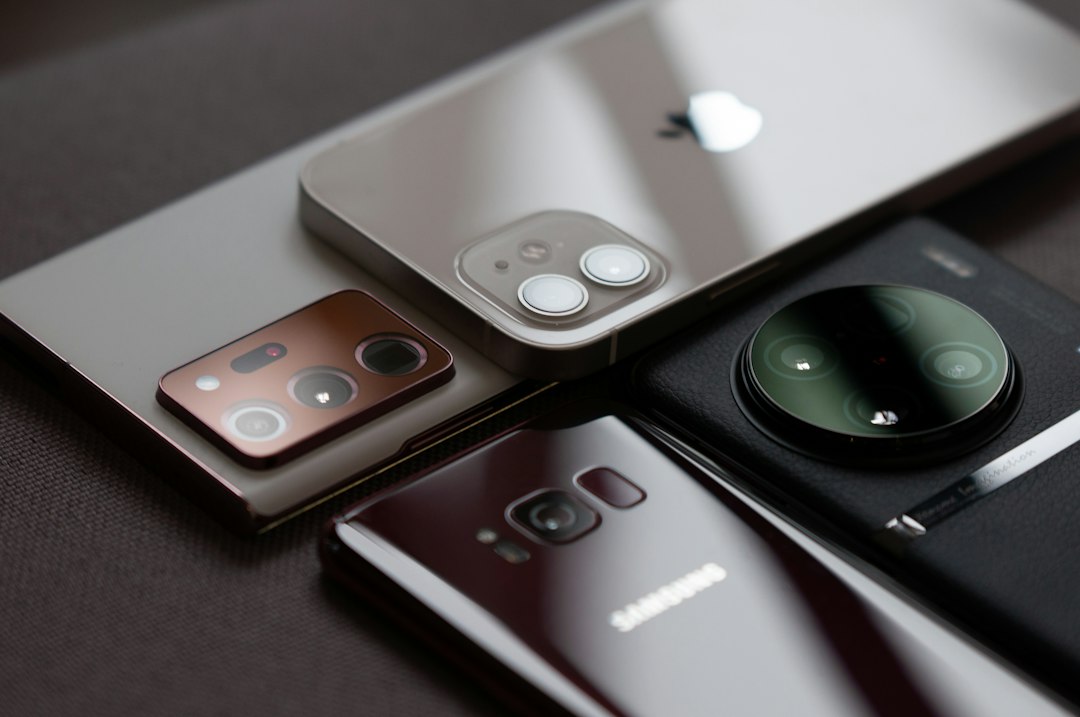
Both phones are large, premium slabs of glass and metal aimed at users who want a big canvas for content and productivity rather than compact one‑handed use.
Materials and Aesthetics
Samsung’s Ultra models typically feature a squared-off, industrial look with sharp lines and a camera array that stands proud on the back. They tend to use reinforced glass on both front and back with an aluminum or stronger alloy frame. Color options are often wide-ranging, from understated black and gray to bold, exclusive online hues.
Pixel Pro XL devices generally opt for softer curves and a more playful identity. Google’s distinctive horizontal camera bar creates a recognizable silhouette while distributing camera modules horizontally rather than stacking them vertically. Colorways usually lean toward pastel or dual-tone finishes, emphasizing personality over pure minimalism.
Ergonomics and Durability
- Size and weight: Both are large and relatively heavy, though Pixels sometimes feel slightly more balanced thanks to their curved edges and camera bar distribution.
- Grip and handling: The Galaxy Ultra’s boxier frame can feel more secure in landscape for media and gaming, while the Pixel XL’s curves suit one‑hand scrolling a bit better.
- Protection: Expect IP68 water and dust resistance on both, plus toughened glass. Neither is truly rugged; a case is still recommended.
Display: Brightness, Smoothness, and Size
Display quality is a highlight for both phones, but Samsung usually has the edge in sheer panel technology, while Google focuses on calibration and usability.
Core Display Characteristics
- Panel type: Both use advanced OLED or AMOLED technology for deep blacks and vibrant colors.
- Refresh rate: Expect fast adaptive refresh (often 120 Hz) that ramps down to save battery and ramps up for scrolling and gaming.
- Resolution: Large Quad HD or similar resolutions are typical for both Ultra and XL Pro, delivering crisp text and detail.
Where They Typically Differ
Samsung tends to push higher peak brightness, making the Galaxy S26 Ultra more legible in harsh sunlight and especially good for HDR movie content. Google, by contrast, often tunes its screens for natural color reproduction and eye comfort, emphasizing accurate skin tones and less aggressive saturation.
Quick Tip: How to Judge a Phone Display In-Store
Set both phones to the same brightness level and open identical photos or a streaming video. Look at skin tones, dark shadow detail, and reflections under bright lights. Ignore demo wallpapers and focus on real-world content you recognize.
Performance and Hardware
Top-tier Android flagships now routinely deliver more power than most users need, but how that power is deployed still matters.
Processor and Everyday Speed
The Galaxy S26 Ultra is likely to use a cutting-edge high-performance chipset, often customized for Samsung in some regions. These chips are tuned for maximum benchmark scores, heavy multitasking, and sustained gaming. Expect aggressive thermal management and performance modes.
Google’s Pixel 11 Pro XL will continue the trend of using a Tensor-branded chip designed with AI workloads in mind. Rather than chasing peak raw power, the focus is on on-device machine learning for features like live transcription, advanced photography, and smart assistant features.
RAM, Storage, and Expansion
- RAM: The Ultra line usually offers generous RAM, especially on higher storage variants, ideal for heavy multitasking and DeX-style desktop modes.
- Storage: Both phones are likely to start with ample base storage, with higher tiers available at a premium.
- Expandable storage: Samsung has often abandoned microSD support in its top flagships, and Google likewise relies on internal storage and cloud backups. Don’t count on expansion in either case.
Camera Systems: Hardware vs Computational Photography
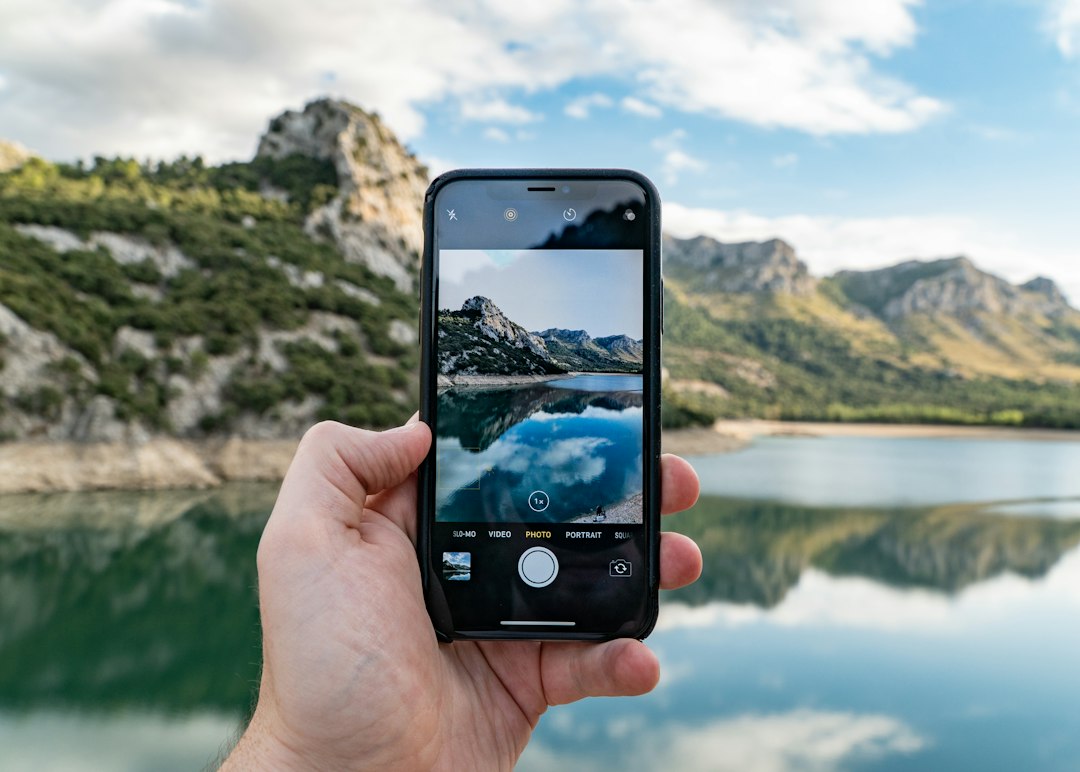
Camera performance is where the Galaxy S26 Ultra and Pixel 11 Pro XL will differ most dramatically. Instead of fixating on speculative megapixel counts, it’s more useful to understand their philosophies.
Samsung Galaxy S26 Ultra Camera Approach
- Versatile hardware: Expect a multi-lens setup with an ultra-wide, a high-resolution main sensor, and one or more telephoto lenses for optical zoom.
- Zoom leadership: The Ultra series typically offers some of the best long-range zoom on any phone, useful for concerts, travel, and wildlife.
- Vibrant tuning: Colors are often punchy and bright, giving social-media-ready shots without editing, though sometimes at the expense of strict realism.
- Rich feature set: Pro modes, advanced video options, and extensive manual controls are standard.
Google Pixel 11 Pro XL Camera Approach
- Computational excellence: Pixel cameras are known for point-and-shoot simplicity and remarkable results powered by software and AI.
- Natural color science: Skin tones and dynamic range are usually very accurate, even in difficult mixed lighting.
- Smart features: Expect improvements to features like Magic Eraser, object removal, intelligent blur correction, and advanced portrait effects.
- Low-light mastery: Night photography is typically outstanding, often leading the Android pack for clarity and noise control.
Which Camera Style Suits You?
| Use Case | Galaxy S26 Ultra Likely Edge | Pixel 11 Pro XL Likely Edge |
|---|---|---|
| Long-distance zoom | Stronger optical and hybrid zoom | Good, but usually less reach |
| Quick social sharing | Vivid, punchy colors out of camera | More natural, true-to-life look |
| Low-light portraits | Bright, detailed with multiple lenses | Excellent subject isolation and tones |
| Manual photo/video control | Richer pro modes and tuning | Simpler, AI-first interface |
Software, Updates, and AI Features
Software experience is increasingly just as important as hardware, and this is where Samsung and Google diverge clearly.
Samsung’s Feature-Rich One UI
The Galaxy S26 Ultra will ship with the latest version of Samsung’s One UI on top of Android. Expect:
- Customisation: Extensive theming, multi-window options, and power-user tweaks.
- Samsung ecosystem: Tight integration with Galaxy Watch, Galaxy Buds, tablets, and Samsung laptops.
- Extras: DeX desktop mode, advanced multitasking, and various utility apps pre-installed.
Google’s Clean Android with AI Focus
The Pixel 11 Pro XL will represent Google’s purest vision of Android, delivering:
- Minimal bloat: Few pre-installed third-party apps and a clean interface.
- Fast updates: First in line for major Android releases and security patches.
- AI features: Advanced call screening, on-device translation, voice typing, and more Assistant features tied directly to Google’s services.
Battery Life and Charging
Large high-refresh displays and powerful processors can be demanding, so battery tuning and charging speed matter.
What to Expect on Both Phones
- Big batteries: Each device should house a substantial cell designed to handle a full day of mixed use for most people.
- Fast wired charging: High-wattage chargers (often sold separately) are likely to fill a large portion of the battery in under an hour.
- Wireless charging: Both phones will almost certainly support Qi wireless charging and possibly reverse wireless charging for accessories.
Efficiency Differences
Samsung’s Ultra line often leans on brute-force battery capacity and aggressive power modes, ideal for users who frequently game, film, or multitask heavily. Pixels typically focus on smart battery features, learning your usage patterns and prioritising apps you rely on, which can translate into impressive endurance for everyday tasks like messaging, browsing, and photography.
Price, Value, and Who Each Phone Is For
Exact pricing for future flagships varies by market, storage tier, and launch promotions, but some patterns are consistent year after year.
Pricing Tendencies
- Galaxy Ultra: Usually positioned at or near the very top of Android pricing, especially for high storage or special editions.
- Pixel Pro XL: Frequently undercuts rival flagships slightly, offering a more aggressive value proposition at launch or soon after via promotions.
Who Should Consider the Galaxy S26 Ultra
Choose Samsung’s Ultra if you:
- Want the most versatile hardware, especially advanced zoom and video tools.
- Like a feature-packed interface with deep customisation.
- Use other Samsung devices and benefit from ecosystem integration.
- Care about high brightness and an ultra-premium display for outdoor and HDR media use.
Who Should Consider the Pixel 11 Pro XL
Lean toward Google’s XL Pro if you:
- Prefer a clean, uncluttered Android with the fastest updates.
- Rely on your phone camera as a simple point-and-shoot that delivers excellent results.
- Value Google’s AI features in calls, messaging, and productivity.
- Want a top-end phone that may cost a little less than the flashiest competitors.
Step-by-Step: How to Decide Between Them
If you are torn between the Galaxy S26 Ultra and Pixel 11 Pro XL, walk through this quick decision process.
- Rank your priorities: List your top three must-haves (e.g., camera zoom, clean software, price, battery, ecosystem).
- Match priorities to strengths: Map each priority to the phone that typically excels there based on the sections above.
- Consider ecosystem: Note whether you already own a Galaxy Watch, Pixel Buds, Chromebook, or other brand-specific hardware.
- Test in person: If possible, visit a store to compare displays, camera speed, and hand feel.
- Check launch offers: Look for trade-in deals, bundled accessories, or carrier discounts that may tip the value equation.
- Sleep on it: Avoid impulse buys; revisit your notes the next day and see which device still fits better.
Final Thoughts
The Samsung Galaxy S26 Ultra and Google Pixel 11 Pro XL are both designed to be “phone you can keep for years” kind of devices. The Ultra line emphasises maximal hardware, spectacular zoom, and a packed feature list, while the Pixel Pro XL line doubles down on AI smarts, a clean Android experience, and effortless photography. Neither choice is wrong; it’s about which philosophy aligns more closely with your habits, ecosystem, and budget. By focusing on the differences outlined here rather than just headline specs, you can confidently choose the flagship that will feel right long after the novelty of a new phone wears off.
Editorial note: Specifications and pricing mentioned are based on typical trends for Samsung Galaxy Ultra and Google Pixel Pro XL flagships and may differ from final retail models. For the original coverage and context, visit the source article on Nokiamob.