How PHEV Competition Is Reshaping the Global Auto Market
Competition in the plug-in hybrid electric vehicle (PHEV) segment has moved from a niche skirmish to a central battleground for the global auto industry. As governments tighten emissions rules and buyers demand both flexibility and lower running costs, carmakers are rushing new PHEV models to market and sharpening their pricing. This article unpacks what PHEVs are, why competition is intensifying, how this affects prices and technology, and what it all means if you’re considering a new car in the next few years.
Understanding the PHEV Surge
Plug-in hybrid electric vehicles (PHEVs) sit between conventional combustion cars and fully electric vehicles (EVs). They combine a battery and electric motor that can be charged from the grid with a traditional fuel engine that extends range when the battery is depleted. As cities grapple with pollution, oil markets remain volatile, and charging infrastructure grows unevenly across regions, PHEVs have emerged as a strategic compromise solution.
In the last few years, competition in the PHEV segment has intensified markedly. More brands now offer multiple plug-in models, from compact hatchbacks to luxury SUVs. This growth is not just about adding electric badges; it reflects deep changes in engineering priorities, regulation, and buyer expectations.
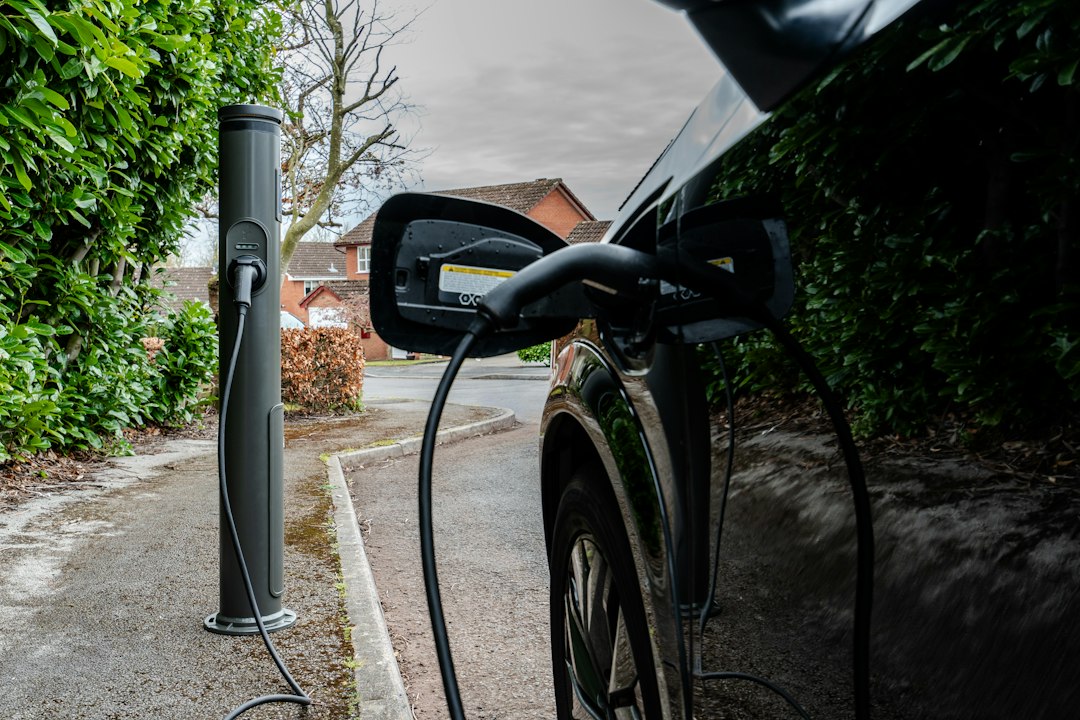
What Makes a PHEV Different?
To understand why competition is heating up, it helps to clarify how PHEVs differ from other powertrains. While the underlying engineering varies by manufacturer, some core principles are shared across the market.
PHEV vs Hybrid vs Fully Electric
Cars are now commonly grouped into three main electrification categories:
- Conventional hybrid (HEV): Uses a small battery and electric motor to support a combustion engine, but cannot be plugged in. The battery charges through braking and the engine itself.
- Plug-in hybrid (PHEV): Has a larger battery that can be charged from an external power source and can drive a meaningful distance purely on electricity before the engine starts.
- Battery electric vehicle (EV or BEV): Runs solely on electricity with no combustion engine, relying entirely on charging infrastructure and battery capacity.
PHEVs aim to deliver everyday electric driving for short commutes while preserving petrol or diesel range for long journeys. This dual nature is at the heart of their current appeal.
Key Technical Ingredients
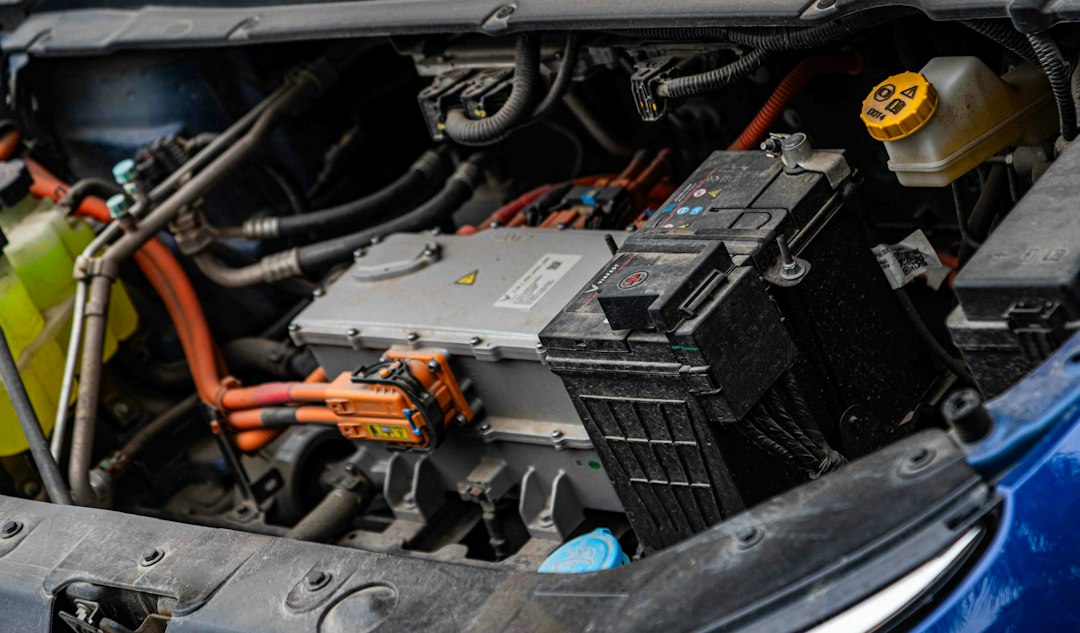
Most modern PHEVs share several critical components:
- Battery pack: Typically 8–20 kWh, giving electric-only ranges that often cover daily driving needs in urban environments.
- Electric motor(s): Provide propulsion at low speeds and can supplement the combustion engine during acceleration.
- Internal combustion engine (ICE): Acts as a backup for longer trips, high loads, or when the battery is depleted.
- Onboard charger: Manages AC charging from home or public charge points.
- Power electronics and control software: Decide when to run on electricity, the engine, or both, and how to optimise efficiency.
The interplay of these parts – particularly battery size, motor power, and software strategy – is where manufacturers now compete fiercely.
Why PHEV Competition Is Intensifying
The surge in PHEV competition is not random; it stems from overlapping pressures and incentives that influence automakers, governments, and drivers simultaneously.
Stricter Emissions Rules and Corporate Targets
Governments across Europe, parts of Asia, and other regions have tightened fleet-average emissions standards. These rules effectively force carmakers to lower the combined CO₂ output of the vehicles they sell. PHEVs, on paper, can dramatically cut a brand’s measured average emissions, especially when regulators assume a high share of electric driving.
That creates a powerful incentive: launch more PHEVs or face penalties and damaged brand reputation. As a result, even manufacturers historically focused on performance or large vehicles have rushed to electrify their line-ups with plug-in variants.
Infrastructure Gaps and Range Anxiety
While high-income urban areas may now offer dense fast-charging networks, many regions still struggle with limited public chargers, unreliable power grids, or low awareness. In such contexts, fully electric cars can feel risky for buyers who travel long distances or cannot install home charging.
PHEVs address this by providing:
- Electric driving for daily errands and commutes
- Conventional refuelling for long-distance trips or regions with no chargers
- A smoother psychological transition away from full dependence on fossil fuels
This transitional role has made PHEVs an attractive bet for manufacturers watching EV adoption vary by country and segment.
Consumer Economics and Total Cost of Ownership
Rising fuel prices and the volatility of global energy markets have pushed more buyers to examine total cost of ownership rather than just sticker price. PHEVs can deliver substantial fuel savings when drivers charge regularly and use electric power for shorter trips. In some markets, they also benefit from:
- Tax breaks and registration discounts
- Lower company-car benefit-in-kind rates
- Access to low-emission or congestion-charge zones
- Resale values supported by growing demand for electrified vehicles
At the same time, battery costs have slowly declined while charging speeds and reliability have improved. This creates room for manufacturers to offer more range and better performance without dramatic price hikes, intensifying model-on-model competition.
How Automakers Are Competing in the PHEV Space
Manufacturers are deploying multiple strategies to stand out in an increasingly crowded PHEV market. These strategies go beyond cosmetics or minor feature changes and reflect broader bets about where mobility is heading.
Expanding Model Line-Ups
Many brands have moved from offering a token plug-in SUV to electrifying entire portfolios. Buyers can now find PHEV options in:
- Compact city cars for urban environments with tight parking and shorter commutes
- Family sedans and crossovers balancing practicality, economy, and comfort
- Large SUVs and premium vehicles where electrification helps offset higher emissions
- Light commercial vehicles and vans used in city logistics or service fleets
This breadth gives consumers more targeted choices, but it also pushes brands to distinguish each PHEV offering more clearly.
Competing on Electric-Only Range
Electric-only range has emerged as a flagship metric similar to horsepower in past decades. Early PHEVs often offered modest ranges that covered only very short trips. Newer generations now frequently claim enough electric range to cover the average daily distance driven in many countries.
Manufacturers use range to signal technical sophistication and practical value. Longer electric range means higher potential fuel savings and a better chance that the car spends most city time emitting no tailpipe pollution.
Performance and Driving Experience
Initially, PHEVs prioritised efficiency over performance, but competition has pushed brands to show that electrification does not mean dull driving. Now we see:
- Instant electric torque for brisk acceleration
- Sophisticated drive modes (pure EV, hybrid, battery-save, sport)
- Adaptive suspensions tuned to handle battery weight
- Integrated regenerative braking that feels natural rather than abrupt
This focus on driving enjoyment helps draw in traditional car enthusiasts who may be skeptical about electrified powertrains.
Software, Apps, and Connected Services
Competition is no longer just mechanical; it’s also digital. Many PHEVs now ship with app-based features, such as:
- Remote pre-conditioning (heating or cooling while plugged in)
- Charging schedules timed to cheaper electricity tariffs
- Route guidance that calculates when to use electric or engine power
- Detailed energy-use statistics and eco-driving feedback
The best implementations make ownership feel smarter and more transparent, while less polished systems can frustrate buyers and hurt brand loyalty.
Quick Checklist: What to Compare When Shopping for a PHEV
Copy-paste this list when comparing brochures:
1. Electric-only range (realistic, not just official figures).
2. Charging speed at home (kW) and typical charge time.
3. Fuel economy when the battery is empty (long trips).
4. Boot space and whether battery placement reduces practicality.
5. Availability of incentives, tax breaks, or access to low-emission zones.
6. Warranty on the high-voltage battery and key electrical components.
7. Quality of the companion app and connectivity features.
PHEVs vs Fully Electric Cars: A Practical Comparison
PHEVs do not compete only with petrol and diesel cars; increasingly, their main rival is the fully electric vehicle. Many buyers cross-shop between the two, especially in markets where public charging is available but not yet ubiquitous.
| Factor | PHEV (Plug-in Hybrid) | Fully Electric (EV) |
|---|---|---|
| Daily driving in city | Often fully electric if charged regularly | Always electric, zero tailpipe emissions |
| Long-distance travel | Use fuel engine; no reliance on chargers | Requires fast chargers and route planning |
| Upfront cost | Typically higher than ICE, lower than comparable EV | Often highest purchase price, but falling |
| Maintenance complexity | More complex (engine + battery + motor) | Mechanically simpler, fewer moving parts |
| Climate policy & incentives | Eligible in many schemes, but scrutiny increasing | Favoured in most long-term zero-emission strategies |
| Future regulation risk | Could face stricter rules in low-emission zones | Best aligned with long-term decarbonisation plans |
This comparison highlights why PHEVs have become a focal point in the current transition. They deliver many benefits of EVs while sidestepping some infrastructure constraints, but long-term regulatory and environmental trends lean toward fully electric solutions.
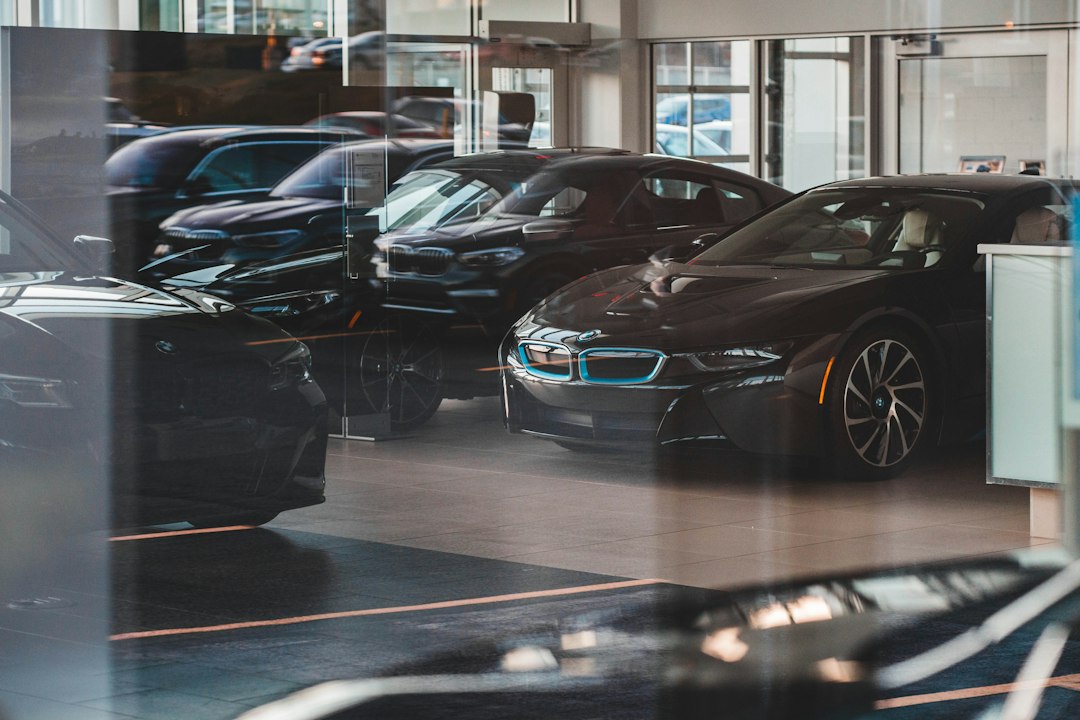
The Policy and Incentive Landscape
Public policy plays an outsized role in shaping PHEV competition. Incentives and regulations can rapidly shift demand, forcing manufacturers to adapt product plans and pricing structures.
Incentives That Favour PHEVs
Many governments have introduced programs designed to accelerate electrification. Where PHEVs are recognised as low-emission vehicles, they may benefit from:
- Purchase grants or rebates that lower the upfront price
- Reduced registration fees or annual road taxes
- Subsidised charging infrastructure for homes and businesses
- Corporate tax advantages for fleet and company-car buyers
These measures make PHEVs more financially attractive compared to traditional combustion cars, particularly for high-mileage business users.
Growing Scrutiny on Real-World Emissions
At the same time, some regulators and research bodies have raised concerns about how PHEVs are used in reality. If owners rarely charge or rely mainly on the combustion engine, real-world emissions can be significantly higher than laboratory test values suggest. In response, several countries and cities are:
- Revisiting PHEV incentive structures, sometimes reducing subsidies
- Setting stricter testing protocols for plug-in hybrids
- Considering how to classify PHEVs in future low-emission zones
This creates a moving target for manufacturers and buyers, adding another layer of competition: which PHEVs can demonstrate genuinely low real-world emissions and avoid future policy backlash?
Key Technologies Driving the New PHEV Wave
Behind the scenes, several technological developments are enabling the current generation of competitive PHEVs. These advances shape everything from cost to reliability.
Battery Chemistry and Packaging
Most modern PHEVs use lithium-ion batteries with chemistries optimised for a balance between cost, energy density, and longevity. Manufacturers are competing to:
- Increase energy density so that batteries take up less space and weight
- Improve durability to offer longer warranties and reassure buyers
- Integrate batteries into the vehicle floor or structure without compromising cabin or boot space
Progress here allows higher electric range without transforming the vehicle layout or driving dynamics.
Smarter Energy Management Software
Software now plays an outsized role in perceived efficiency. Competitive PHEVs use algorithms that:
- Predict when to reserve battery power for low-emission zones or city centres
- Optimise the mix of engine and motor use depending on gradients and speed
- Learn from driver habits to maximise electric miles
Some systems even tie into navigation data so that, for example, the car uses more electric power where it matters for air quality and less where the engine can operate efficiently.
Charging Hardware and Standards
Although PHEVs generally have smaller batteries than fully electric cars, charging convenience still matters. Advances include:
- Onboard chargers that handle higher AC rates, reducing home charging times
- Improved connectors and cables that are lighter and easier to handle
- Better integration with smart-home energy systems and solar setups
While ultra-fast DC charging is less critical for PHEVs, compatibility with common public AC networks helps broaden their appeal.
How Intensifying PHEV Competition Affects Buyers
For individual drivers and fleet managers, stronger competition in the PHEV market brings both benefits and new complexities. Understanding these can help you make a more informed purchase.
Benefits for Consumers
- More choice: A wider range of body styles, performance levels, and price points than early-generation plug-ins.
- Better value: Price pressure and economies of scale often translate into improved specifications at similar or lower costs.
- Higher quality: Brands refine their designs and address early reliability or usability issues to remain competitive.
- Improved charging solutions: Bundled home chargers, clearer guidance, and growing networks make everyday use easier.
New Challenges and Trade-Offs
However, buyers also face new questions:
- Complex spec sheets: Understanding real-world electric range, WLTP values, and consumption when the battery is depleted requires homework.
- Future regulation risk: It’s not always clear how PHEVs will be treated in five to ten years, especially in city centres.
- Charging discipline: To reap the promised fuel and emissions benefits, owners must charge regularly, which may not suit every lifestyle.
- Resale value uncertainty: As fully electric cars improve, future demand for used PHEVs may vary by region and policy environment.
Step-by-Step: Deciding if a PHEV Is Right for You
If you are considering a plug-in hybrid in the midst of intensifying competition, a structured approach can prevent costly mistakes. Use the following steps as a guide.
- Analyse your driving patterns. Track your weekly mileage and route types for a few weeks. Note how often you drive more than the typical electric range of PHEVs you’re considering.
- Check your charging options. Confirm whether you can install reliable home charging and whether you have regular access to workplace or public chargers.
- Compare total cost of ownership. Consider purchase price, fuel and electricity costs, maintenance, insurance, and tax or congestion charges over several years.
- Shortlist 2–3 models. Choose specific PHEVs that match your size, budget, and range needs rather than comparing abstract brochures.
- Test-drive in EV and hybrid modes. During a test drive, experience pure electric driving, engine-assisted acceleration, and motorway cruising to assess refinement and comfort.
- Ask about software and updates. Clarify how navigation, charging, and energy-management software is updated over time and whether remote updates are included.
- Consider long-term policy trends. Look at your city or country’s medium-term climate and transport plans to gauge how friendly the environment will be for PHEVs over the next decade.
Implications for the Auto Industry
At an industry level, intensifying PHEV competition underscores the transitional nature of today’s automotive landscape. Manufacturers are using plug-ins to:
- Buy time while scaling up battery production and EV-specific platforms
- Meet short- and medium-term emissions targets without abandoning profitable segments
- Gather real-world data on electric driving habits to inform next-generation products
Yet this is not a permanent destination. Many brands have publicly committed to predominantly or entirely electric line-ups over the long term. How quickly PHEV production peaks and declines will depend on technology progress, the pace of infrastructure expansion, and the stringency of future regulations.
Final Thoughts
The intensifying competition in the plug-in hybrid electric vehicle space reflects a pivotal moment for global mobility. PHEVs have evolved from early experiments to highly contested mainstream products that bridge today’s infrastructure realities and tomorrow’s zero-emission ambitions. For buyers, the upside is clear: better technology, more choice, and sharper pricing. The challenge is to navigate a rapidly shifting landscape where policy, infrastructure, and innovation all move at different speeds.
Whether a PHEV is the right choice for you depends on how you drive, where you live, and how quickly your region is moving toward full electrification. By understanding the forces driving this competition – from emissions rules and battery advances to software and incentives – you can make a decision that works today and still makes sense in the years ahead.
Editorial note: This article provides a general overview of growing competition in the plug-in hybrid segment and does not cover every regional policy or model. For further context and related reporting, see the coverage at The Express Tribune.