How Online Marketing Helps Small Businesses Compete With Bigger Brands
For many small business owners, competing with large, well-known brands can feel overwhelming. Yet the rise of online marketing has leveled the playing field more than ever before. With the right digital strategies, even a tiny shop or solo service provider can reach ideal customers, build trust, and grow steadily—without needing a massive budget. This guide breaks down how to use online marketing practically and affordably to compete in today’s marketplace.
Why Online Marketing Levels the Playing Field for Small Businesses
Large brands enjoy big budgets, in-house teams, and established name recognition. Yet online marketing has dramatically reduced the gap between them and small, independent businesses. Instead of relying on expensive TV ads or billboards, local companies can now reach highly targeted audiences through search, social media, email, and content at a fraction of the cost.
The advantage for small businesses lies in agility and authenticity. You can move faster, speak more personally, serve narrower niches, and build real relationships. When you combine these strengths with smart online tools, you can show up alongside big brands in search results, social feeds, and inboxes—and often feel more relatable to customers.

Defining Your Online Marketing Foundations
Before posting on social media or launching ads, you need clear foundations. These guide every online marketing decision and help ensure your limited time and budget create real results.
Know Exactly Who You Want to Reach
Big brands chase broad markets. Small businesses win by focusing. Define your ideal customer in specific terms so you can target them precisely online.
- Demographics: Age range, location, income level, family status.
- Behaviors: Where they shop, how they research, what devices they use.
- Needs and frustrations: Problems they want solved or outcomes they care about.
- Buying triggers: Events or moments that make them ready to buy (moving homes, having a baby, starting a business, etc.).
This profile helps you choose the right platforms, messages, and offers—and avoid wasting money on broad, unfocused campaigns.
Clarify Your Differentiator Against Big Brands
Competing head-to-head on price or scale with a large brand is rarely possible—or smart. Instead, define what makes your small business clearly better for a specific kind of customer.
- Faster, more personal service.
- Local expertise and knowledge of the community.
- Specialization in a narrow niche or style.
- Higher-quality materials or craftsmanship.
- Flexible options that big brands don’t offer.
Turn this into a short value statement you can place on your website, social profiles, and marketing materials.
Building a High-Converting Small Business Website
Online marketing works best when it directs people to a professional, trustworthy website. While social profiles are important, your website is the one place online you fully control.
Essential Elements for Small Business Websites
Your site doesn’t have to be complicated, but it should be clear, fast, and focused on converting visitors into inquiries or sales.
- Clear headline: In a sentence, explain what you offer and who it’s for.
- Obvious contact options: Phone, email, and contact form visible on every page.
- Service or product pages: Separate pages for each main service or category to help with search visibility.
- Social proof: Reviews, testimonials, or case studies from real customers.
- Mobile-friendly design: Most visitors will come from phones; your site must be easy to use on a small screen.
- Fast loading speed: Slow sites lose visitors and hurt search rankings.
Local SEO: Being Found When Nearby Customers Search
For many small businesses, the most valuable online visitors are people nearby who are ready to buy. Search engine optimization (SEO), especially local SEO, helps your business appear when they search in Google or other engines.
- Optimize on-page basics: Use your city/area and service in page titles, headings, and meta descriptions (for example, “Seattle dog grooming” or “Capitol Hill coffee shop”).
- Create dedicated location pages: If you serve multiple neighborhoods or cities, build a page for each with relevant details.
- Include practical info: Opening hours, parking details, accessibility, and how to book.
- Use clear URLs: Simple addresses like
/seattle-plumbinginstead of long, confusing strings. - Earn local backlinks: Collaborate with nearby blogs, directories, chambers of commerce, and community sites that can link to you.
Harnessing Local Listings and Reviews
Before visiting a small business, many people check maps, star ratings, and recent reviews. Managing these carefully is one of the most powerful ways to compete with larger names.
Key Listings Every Local Business Should Manage
- Google Business Profile: Crucial for appearing in Google Maps and the local “3-pack” results.
- Bing Places and Apple Maps: Often overlooked but useful, especially for mobile users.
- Industry-specific directories: Such as platforms for restaurants, home services, healthcare, or professional services.
- Local directories: City guides, community websites, or local business associations.
Ensure your name, address, phone number, and website are consistent everywhere. Inconsistent details can confuse both customers and search engines.
Turning Reviews Into a Competitive Advantage
Big brands may collect more reviews, but small businesses can win with higher average ratings, thoughtful responses, and genuine stories from customers.
- Ask happy customers for reviews using follow-up emails, receipts, or QR codes on cards.
- Reply to every review—positive or negative—with professionalism and warmth.
- Highlight reviews on your website and social media posts.
- Look for patterns in feedback to improve services and anticipate questions.
Copy‑Paste Review Request Message
“Thank you for choosing us! As a small local business, reviews really help us reach more great customers like you. If you have a moment, would you mind sharing your experience here: [review link]? It means a lot to our team.”
Content Marketing: Sharing Expertise Instead of Shouting Ads
Content marketing means creating useful information—articles, videos, guides, or posts—that helps your ideal customers and builds trust. While big brands push broad campaigns, small businesses can focus on specific, high-value topics that match their expertise.
Simple Content Ideas for Small Businesses
- How-to articles that solve common customer problems.
- Frequently asked question (FAQ) pages that address typical doubts.
- Short videos demonstrating products or showing behind-the-scenes processes.
- Seasonal checklists or guides tailored to your local climate or events.
- Case studies or before-and-after stories of customer successes.
By consistently publishing helpful content, you give search engines more pages to index and give customers more reasons to trust you over a faceless brand.
Social Media: Building Relationships, Not Just Reach
Social platforms give small businesses a powerful way to show personality, respond quickly, and create a sense of community. Unlike many large brands that rely on polished, scheduled posts, you can lean into genuine interactions.

Choosing the Right Social Platforms
You don’t need to be everywhere. Focus on the 1–2 platforms where your ideal customers are already active and where your content style fits.
| Platform | Best For | Small Business Advantage |
|---|---|---|
| Local communities, events, broad audiences | Groups, local ads, and detailed targeting by location and interests | |
| Visual products, lifestyle brands, food, fashion | High-impact visuals and Stories showcasing daily life and behind-the-scenes | |
| B2B services, consultants, professional firms | Thought leadership posts and networking with local decision-makers | |
| TikTok | Short, creative videos and trends | Low-cost reach with authentic, quick clips that show personality |
Creating Engaging Social Content on a Small Budget
- Share real photos and short clips from your daily operations.
- Introduce team members and tell their stories.
- Highlight customer success or transformation stories (with permission).
- Explain one tip per post that saves your followers time or money.
- Use local hashtags and tag neighboring businesses or events.
Consistency matters more than perfection. Set a realistic schedule (for example, three posts per week) and stick to it.
Targeted Online Advertising on a Realistic Budget
Paid ads can feel intimidating, especially when you imagine competing with national brands. The key is to stay focused: tight audiences, clear goals, and small test budgets. Online platforms make this possible even for very small businesses.
Where Small Businesses Can Start With Ads
- Search ads: Appear when someone searches for a service you offer in your area; especially useful for high-intent keywords.
- Social media ads: Target specific interests, locations, or demographics; good for awareness and list-building.
- Retargeting ads: Remind people who visited your website but didn’t convert, keeping your business top-of-mind.
Simple Framework for Profitable Small Ad Campaigns
- Pick one primary goal: Phone calls, bookings, email sign-ups, or online orders.
- Choose a narrow audience: Limit location, age, and interests to match your ideal customer profile.
- Create a focused landing page: One clear offer and one clear call-to-action, not your homepage.
- Start small: Test with a modest daily budget, then increase only on campaigns that show results.
- Measure and refine: Track which keywords, audiences, or creatives lead to actual inquiries or sales.
Email Marketing: Owning Your Customer Relationships
Algorithms change and ad costs fluctuate, but your email list is an asset you control. Even a small list of loyal subscribers can drive repeat business and steady referrals.
Building a High-Quality Email List
- Add sign-up forms on high-traffic pages of your website.
- Offer a simple incentive: a discount, checklist, or short guide.
- Collect emails in person with consent—at the counter, during events, or at consultations.
- Make it clear what subscribers will receive and how often.
Email Campaign Ideas That Work for Small Businesses
- Welcome series: Introduce your story, values, and most popular services.
- Educational tips: Short, practical advice related to your offering.
- Seasonal reminders: Maintenance reminders, holiday offers, or event invitations.
- Customer appreciation campaigns: Exclusive offers or early access for loyal subscribers.
Email keeps your brand present between purchases and reinforces the personal connection that often distinguishes small businesses from corporate competitors.
Measuring What Matters: Analytics for Small Business Owners
Online marketing becomes far more powerful when you measure results and adjust based on real data. The goal isn’t to track everything—it’s to focus on the numbers that connect most directly to revenue and customer happiness.
Key Metrics Worth Watching
- Website traffic: Number of visitors and where they come from (search, social, email, ads).
- Conversion actions: Form submissions, calls, bookings, or online purchases.
- Cost per lead or sale: For advertising campaigns, how much you spend to acquire one customer.
- Email engagement: Open and click rates for your campaigns.
- Review volume and rating: Number of new reviews and average star rating across platforms.
Even basic analytics tools can show which channels deserve more of your time and budget and which can be scaled back.
Practical 30-Day Action Plan to Get Started
To turn these ideas into measurable progress, break them into clear steps you can tackle over the next month. You don’t need to do everything at once—consistent, focused progress wins.
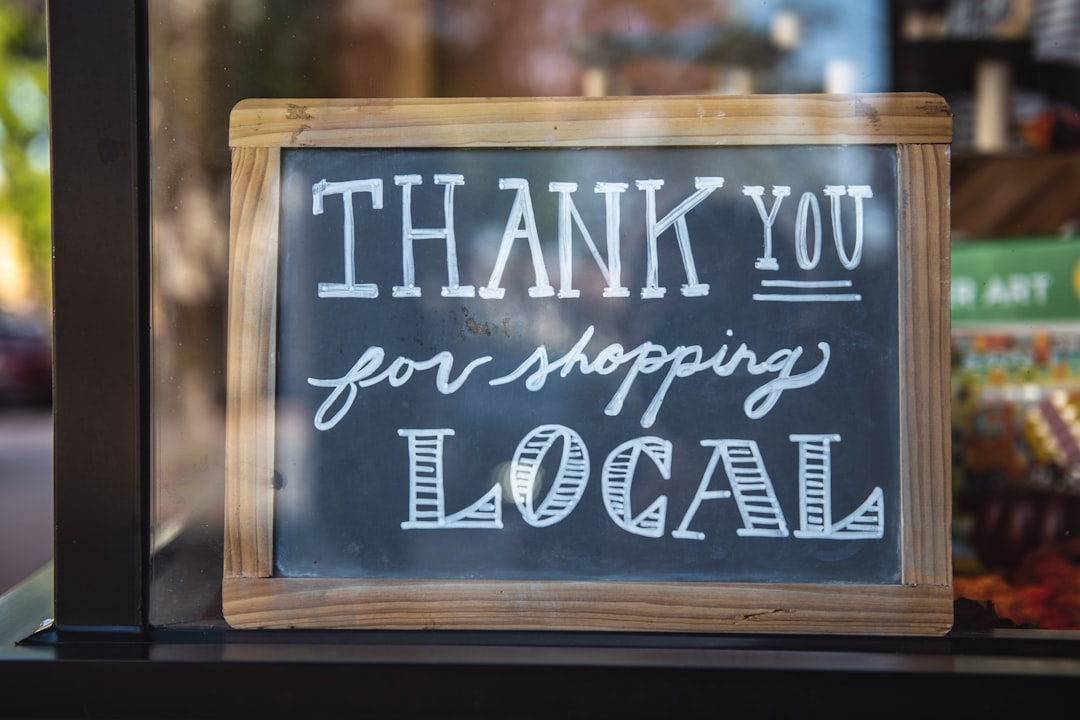
Week-by-Week Roadmap
- Week 1 – Foundations: Define your ideal customer, clarify your main differentiator, and review your current website for clarity and mobile usability.
- Week 2 – Visibility: Set up or update your Google Business Profile, claim key local listings, and begin asking recent customers for reviews.
- Week 3 – Content & Social: Publish at least one helpful article or guide, choose one primary social platform, and schedule a consistent posting plan.
- Week 4 – Email & Ads: Add an email sign-up form to your website, create a basic welcome message, and test one small, well-targeted ad campaign.
At the end of 30 days, review what worked best, double down on those activities, and set goals for the next quarter.
Final Thoughts
Online marketing has transformed how customers discover and choose businesses, and that shift strongly favors small, agile companies willing to show up consistently. You may never match a large brand’s budget, but you don’t need to. By understanding your ideal customers, telling a clear story, and using the right mix of search, social, content, and email, you can become the obvious choice in your niche or local area.
Start where you are, with the channels you can realistically manage. Over time, the combination of strong local visibility, authentic communication, and steady reputation-building can help your small business not just compete with larger brands, but often outperform them in the moments that matter most: when a real person decides whom to trust with their money.
Editorial note: This article was inspired by coverage on how online marketing helps small businesses compete with larger brands. For more background, see the original reporting at KIRO 7 News Seattle.