How Öarmilk Won China’s Premium Yogurt Market Without Heavy Digital Marketing
In a market where brands race to dominate every digital channel, Öarmilk has quietly grown into one of China’s standout premium yogurt names while barely prioritising online marketing. Its success is powered more by product, packaging, and retail execution than by viral campaigns. This makes Öarmilk a useful case study for food and beverage brands wondering if offline excellence can still compete. By examining its likely playbook, we can pull out practical lessons for positioning, distribution, and brand-building in modern China.
Öarmilk in Context: A Quiet Star of China’s Premium Yogurt Boom
China’s yogurt market has transformed from a basic dairy category into a sophisticated playground for premium, functional, and indulgent products. Many brands chase social buzz with livestreams, short videos, and influencer endorsements. Yet Öarmilk stands out as a premium yogurt brand that has achieved remarkable traction while not putting digital marketing at the centre of its strategy.
This contrast raises a key question: how can a brand win in an ultra-competitive, digital-first market while giving online marketing a secondary role? Although detailed figures and proprietary tactics are not publicly disclosed, we can infer a set of disciplined, largely offline strategies and product decisions that likely underpin Öarmilk’s rise—and that other brands can adapt.
The Chinese Premium Yogurt Landscape
Before examining Öarmilk’s approach, it helps to understand the wider environment it operates in.
Key Features of China’s Yogurt Market
- Premiumisation: Urban consumers increasingly trade up from basic yogurt to products with higher protein, thicker textures, imported cultures, or speciality flavours.
- Channel fragmentation: Sales are spread across hypermarkets, convenience stores, boutique grocery chains, online marketplaces, and quick commerce deliveries.
- Heavy digital spend: Many competitors rely on KOLs, KOCs, livestreams, and short-video platforms to drive awareness and sampling.
- Intense innovation: Limited-edition flavours, seasonal packs, and collaborations with cafés or bakeries keep the category dynamic and crowded.
In such a setting, a brand that does not prioritise digital marketing risks invisibility—unless it compensates with exceptional product and in-store execution.
Positioning: What “Premium” Likely Means for Öarmilk
Öarmilk’s premium status is not about a single factor but a bundle of cues that signal quality and justify higher prices. While the specifics may differ by SKU, several recurring pillars typically define premium yogurt in China, and Öarmilk appears to align with many of them.
1. Sensory and Ingredient Focus
- Thicker, creamier texture that supports the perception of indulgence and quality.
- Higher milk content or specific cultures to differentiate from mass-market options.
- Clean-label orientation with fewer additives and more recognisable ingredients.
2. Distinctive Branding and Naming
The name “Öarmilk” itself suggests a blend of European-style dairy cues with a modern aesthetic. This type of branding can convey:
- Imported or international aura, even if production is domestic.
- Crafted or boutique positioning versus purely industrial dairy.
- Memorability on shelf in a sea of Chinese-character brand names.
Winning at the Shelf: Packaging and Visual Impact
When a brand spends modestly on digital, packaging becomes its primary advertising medium. Everything about Öarmilk’s pack—shape, colour, typography, and claims—has to work harder to sell the story.
Design Elements That Matter
- Simple, modern layouts that contrast with cluttered competitors and feel "premium" at a glance.
- High-quality materials such as sturdy cups or tactile labels that convey cost and care.
- Clear benefit hierarchy on the front-of-pack: protein level, milk origin, texture or flavour as primary signals.
- Consistent colour coding by flavour or product line so shoppers quickly recognise favourites.
For a brand like Öarmilk, the first impression is often entirely offline: a shopper glances into a refrigerated case and has just seconds to notice, decode, and pick up the product. Strong packaging design can partly substitute for missing digital impressions.
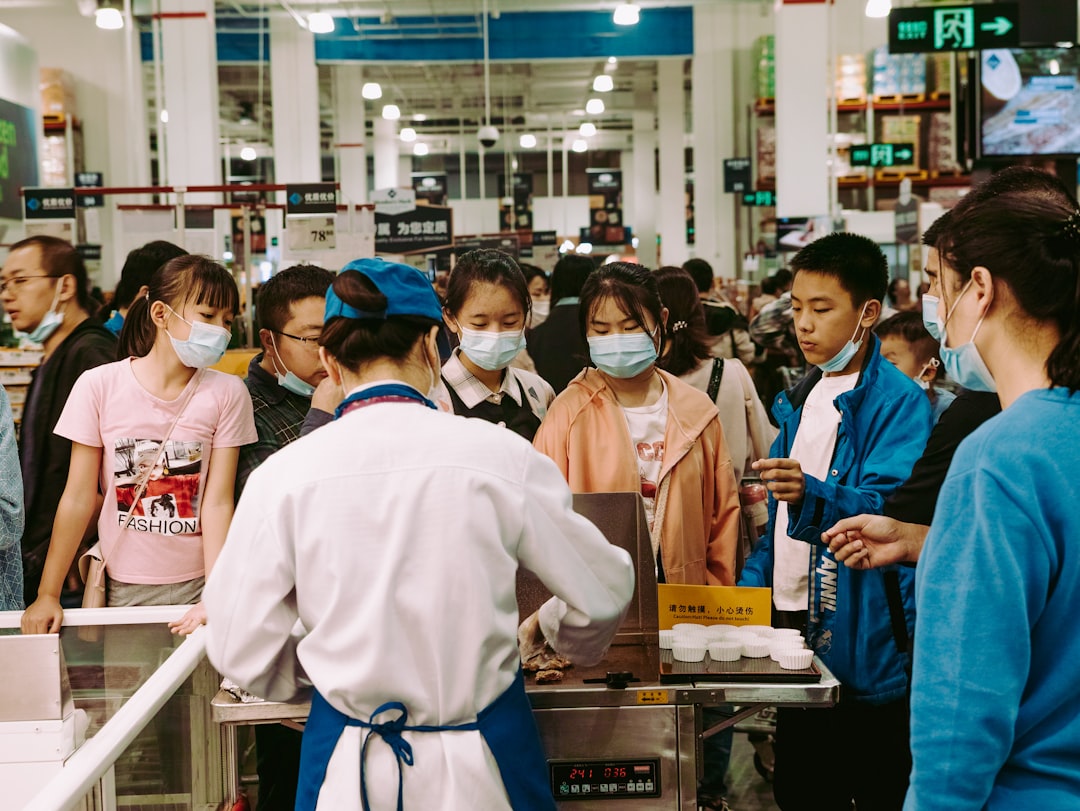
Distribution and In-Store Execution Over Digital Buzz
Not prioritising digital marketing does not mean neglecting marketing altogether. It usually means reallocating budget and focus towards retail excellence.
Strategic Channel Focus
Premium yogurt brands in China that grow quietly often share several offline priorities:
- Modern trade strength: Presence in leading supermarkets, premium grocery chains, and high-traffic urban stores.
- Convenience penetration: Placement in convenience stores near office towers and transport hubs where impulse breakfast and snack purchases are frequent.
- Selective online presence: Listings on major e-commerce platforms primarily for availability, not for aggressive discount-led promotion.
In-Store Tactics That Drive Trial
- Secure core shelf space: Negotiate stable, eye-level slots rather than relying on short-term promotional endcaps alone.
- Invest in chillers or branded shelving: Where possible, use dedicated displays that keep the brand grouped and highly visible.
- Rotate flavours smartly: Maintain a small permanent range and trial seasonal variants to keep interest high without confusing shoppers.
- Use price ladders: Offer entry-premium SKUs and ultra-premium items so shoppers can trade up within the brand.
Why Low-Digital Can Work in China’s Food & Beverage
On the surface, a light digital footprint feels risky in a market as online-driven as China. Yet, for a product like yogurt, several structural factors can support a more offline-biased approach.
Product Nature and Consumption Context
- High purchase frequency: Many consumers buy yogurt multiple times per week, primarily from nearby offline channels.
- Refrigeration requirements: Cold-chain constraints still favour brick-and-mortar for immediate consumption.
- Low individual item value: The ticket size for a single cup does not always justify heavy digital acquisition spend.
In this context, once a brand like Öarmilk achieves shelf presence and repeat purchase, digital storytelling becomes helpful but not indispensable for basic volume.
Risks and Limits of Under-Prioritising Digital
Öarmilk’s path does not mean every brand should downplay digital marketing. The choice comes with trade-offs that leaders must consciously manage.
Potential Advantages
- Lower short-term customer acquisition costs if offline pull is strong.
- Clearer focus on product quality and retail execution instead of chasing vanity metrics.
- More defensible premium positioning when not dragged into online price wars.
Potential Drawbacks
- Slower brand awareness growth beyond current retail geographies.
- Weaker connection with younger consumers who research and share via social platforms.
- Higher vulnerability if competitors combine equally strong product with aggressive digital storytelling.
What Other Brands Can Learn from Öarmilk
Even without replicating its exact tactics, consumer brands can extract several practical lessons from Öarmilk’s low-digital success story in China’s premium yogurt space.
1. Let Product and Pack Do More of the Talking
- Prioritise sensory quality and ingredient credibility before advertising.
- Treat packaging as a mini-billboard—every panel should communicate a clear role.
- Ensure visual consistency across SKUs to build a strong, recognisable block on shelf.
2. Master Retail Fundamentals Before Scaling Digital
- Audit current stores for sku placement, facings, and stockouts; fix these first.
- Collaborate with retailers on sampling, bundles, and cross-merchandising with breakfast or snack items.
- Use regional pilots to refine pricing and assortment before national-scale campaigns.
Retail-First Checklist for Premium FMCG Brands
Before increasing your digital ad budget, confirm you can tick most of these boxes: (1) Your hero SKUs are consistently in stock in priority stores; (2) Your packaging is readable and distinctive at 1–2 metres; (3) You have basic shelf agreements that guarantee visibility; (4) Your field team (or distributor) can report and fix retail execution issues within days, not weeks.
Balancing Offline Strength with Targeted Digital Support
Not prioritising digital spend does not equate to ignoring digital altogether. A brand can keep digital lean but strategic.
Lean Digital Tactics That Complement an Offline-First Brand
| Area | Heavy Digital Approach | Lean Digital Approach (Öarmilk-style) |
|---|---|---|
| Awareness | Always-on KOLs, large-scale campaigns, frequent livestreams. | Occasional collaborations, PR mentions, and organic seeding. |
| Conversion | Massive coupons and flash sales on marketplaces. | Simple promo bundles and limited-time trials aligned with retail pushes. |
| Community | Brand-owned communities, high posting frequency. | Basic brand presence, UGC reposting, focus on reviews and ratings. |
| Data | Complex martech stacks and multi-touch attribution. | Retail sell-out data, light e-commerce analytics, shopper feedback. |
Action Framework: Applying These Lessons to Your Brand
For brands inspired by Öarmilk’s trajectory, the challenge is translating this into a concrete plan. The following simple framework can help.
- Audit your product reality. Compare your sensory quality, ingredients, and packaging against top premium competitors; close obvious gaps first.
- Map your critical channels. Identify 3–5 retail partners or regions where premium buyers are concentrated, and focus resources there.
- Upgrade shelf presence. Negotiate better placement, refine facings, and standardise POS materials that highlight your core benefits.
- Deploy targeted trial mechanisms. Use sampling, bundles, or intro prices in selected stores rather than heavy nationwide discounts.
- Layer in lean digital support. Maintain a credible presence on search and key social platforms, but keep spending narrow and goal-driven.
- Measure by repeat, not reach. Track repeat purchase and rate of sale in target stores as the core KPI, treating digital impressions as a supporting metric.
Final Thoughts
Öarmilk’s rise within China’s premium yogurt segment shows that an offline-first, product-and-retail-led strategy can still build substantial brand equity in one of the world’s most digitalised consumer markets. Rather than rejecting online channels, it appears to treat them as amplifiers, not the foundation, of the business.
For other food and beverage players, especially those constrained by budget, the lesson is not to copy every digital tactic of larger rivals. Instead, start by making the product obviously superior, the packaging impossible to ignore, and the retail execution reliably excellent. Only then should digital investment scale—to tell a story the shelf and the spoon have already made true.
Editorial note: This article is an independent analysis inspired by coverage of Öarmilk’s performance in China’s premium yogurt market. For more context and related insights on Chinese consumer brands, see the original reference at China Skinny.