Top 10 Most Reliable Forklift Brands: Comparison Guide
Forklifts are the backbone of warehouses, factories, and construction sites, but the wrong brand choice can quickly drain budgets through breakdowns and downtime. Rather than chasing the newest model, smart buyers focus on proven reliability and long-term support. This guide walks through the key factors that make certain forklift brands stand out, how to compare them fairly, and what to consider before committing to a fleet. Use it as a practical framework when you talk to dealers or evaluate your next purchase.
Why Reliable Forklift Brands Matter More Than Ever
Forklifts are capital-intensive machines that quietly determine how smoothly your operation runs. A single truck sidelined during a busy shift can stall loading docks, delay production, and incur expensive emergency repair bills. That is why the perceived “top forklift brand” is not only about power or tech features, but about dependable uptime and strong after-sales support.
Instead of chasing brand hype, it pays to understand what reliability really looks like on the ground: fewer unexpected failures, predictable maintenance, available spare parts, and machines that operators actually like to use. In this comparison-style guide, you’ll learn how to evaluate forklift brands systematically so you can shortlist the ones that align with your safety, budget, and productivity goals.
What Makes a Forklift Brand "Reliable"?
Reliability is not a single feature; it is a combination of engineering quality, service ecosystem, and how well the machine fits your application. Different businesses will prioritize different aspects, but the core pillars are broadly the same.
Key Pillars of Forklift Reliability
- Robust engineering: Strong frames, protected components, and proven drivetrains that stand up to repeated heavy loads.
- Consistent quality control: Reputable brands maintain tight manufacturing tolerances and testing, reducing out-of-the-box defects.
- Reliable parts supply: Readily available spare parts shorten downtime and allow predictable maintenance planning.
- Service network strength: Certified technicians nearby, reasonable response times, and clear maintenance procedures.
- Operator-friendly design: Comfortable, intuitive machines lead to gentler use, fewer mistakes, and lower damage.
- Safety features that actually work: Effective brakes, stability systems, alarms, and visibility features that are robust in daily use.
- Real-world track record: Years of reliable operation in similar environments—warehouses, ports, construction sites, or food facilities.
How Reliability Impacts Total Cost of Ownership
Two forklifts that cost the same on day one can have widely different lifetime costs. A slightly more expensive, well-supported brand may be cheaper overall than a budget model that frequently breaks down.
- Downtime costs: Lost labor, missed shipping windows, and production delays quickly overshadow minor purchase savings.
- Repair vs. maintenance: Planned maintenance is cheaper and easier to schedule than constant reactive repairs.
- Resale value: Respected brands often hold value better, offsetting acquisition costs when you refresh the fleet.
- Training synergy: Sticking to a consistent brand family simplifies operator and technician training.
The 3 Big Forklift Categories You’ll Be Comparing
Before shortlisting specific brands, clarify which type of forklift you actually need. Most brands play in more than one category, but they usually have strengths in particular segments.
1. Electric Counterbalance Forklifts
Electric forklifts are common in indoor warehouses, retail distribution centers, and food or pharma facilities where low emissions are essential. Their reliability often depends on battery technology, electronics, and how well the brand integrates energy management and diagnostics.
- Ideal for: Indoor operations, restricted-emission environments, moderate to heavy shifts.
- Reliability focus: Battery life, charger quality, sealed components, and stable software.
2. Internal Combustion (IC) Forklifts
IC trucks (diesel, LPG, or gasoline) dominate outdoor yards, lumber yards, construction sites, and heavy manufacturing environments. Their drivetrains and cooling systems must cope with dust, uneven terrain, and temperature extremes.
- Ideal for: Outdoor or mixed environments, heavy-duty loading, and long shifts.
- Reliability focus: Engine durability, cooling, filtration, and rugged chassis construction.
3. Narrow Aisle and Specialty Trucks
Reach trucks, order pickers, pallet stackers, and other narrow-aisle machines are purpose-built for high-density storage. While their lifting capacity may be lower, their reliability comes from precise control systems and mast stability at height.
- Ideal for: High-rack warehouses, e‑commerce fulfillment centers, and space-constrained operations.
- Reliability focus: Mast rigidity, sensor integrity, steering precision, and electronic controls.
Top 10 Factors to Compare Across Forklift Brands
Different companies and regions highlight their own "top 10" forklift brands, but regardless of the logo on the mast, these are the ten comparison points that matter most when evaluating reliability.
- Proven track record in your industry
Ask which brands are already widely used in operations similar to yours. Look at case studies, references, and fleet sizes, not just marketing claims. - Dealer and service coverage
Reliability fails quickly if the nearest technician is hours away. Measure both coverage and actual response time. - Parts availability and pricing
A brand that ships parts quickly and transparently prices them helps your maintenance team keep trucks running. - Warranty length and clarity
Clear warranties signal confidence. Examine what’s covered, how long, and under what conditions. - Build quality and protection of critical components
Look for evidence of reinforced masts, protected hoses, and well-routed cables away from impact zones. - Operator ergonomics and visibility
Comfortable cabs, logical controls, and strong visibility reduce fatigue and accidents—key to long-term reliability. - Safety systems and compliance
Confirm that the brand’s models meet or exceed relevant standards, and that safety features are field-proven, not just theoretical. - Energy efficiency and runtime stability
For electric fleets, reliability includes predictable runtime per charge and clear state-of-charge feedback. - Telematics and diagnostics support
Built-in monitoring and fault codes can speed up troubleshooting and help you optimize fleet utilization. - Total cost of ownership models
Ask dealers to walk you through realistic cost models, including service, parts, and resale value—then pressure test their assumptions.
Quick Comparison Checklist You Can Copy
When speaking with multiple forklift dealers, use this concise checklist: 1) Nearest service center distance; 2) Average tech response time; 3) Typical spare parts lead time; 4) Standard warranty terms; 5) Estimated yearly maintenance cost per truck; 6) Example customers similar to your operation. Capture answers in a simple spreadsheet so you can compare brands side-by-side instead of relying on memory or sales pitches.
Comparing Forklift Brands by Reliability: A Practical Framework
Because specific brand rankings vary by country, model, and application, it is more realistic to group brands into tiers and evaluate them against consistent criteria. The goal is to avoid both untested newcomers and overpaying for features you will not use.
| Brand Tier | Typical Profile | Strengths | Potential Trade-Offs |
|---|---|---|---|
| Global Premium | Large multinational brands with broad product lines and deep dealer networks. | Strong reliability, excellent support, advanced safety and telematics, good resale value. | Higher upfront cost, may offer more options than smaller fleets truly need. |
| Regional Leaders | Well-established brands strong in specific countries or continents. | Good reliability in local conditions, responsive support, competitive pricing. | Limited model range in niche segments, varying parts availability if operating abroad. |
| Value & Budget | Cost-focused brands, sometimes newer or with smaller networks. | Lower purchase price, acceptable for low-utilization or backup roles. | Inconsistent support, uncertain resale value, potential for higher downtime in intensive use. |
This tiered view lets you align brand choices with how critical forklifts are to your operation. A high-throughput distribution center might insist on premium global brands, while a small workshop that uses a forklift a few hours a week can reasonably consider a mid-range or value brand—provided the dealer is trustworthy.
How to Match a Forklift Brand to Your Operation
Reliability is always contextual. A brand that performs flawlessly in a climate-controlled warehouse may struggle in a dusty steel plant or on a rough yard. Start by mapping your environment and usage before listening to any sales pitch.
Step 1: Define Your Operating Conditions
- Indoor vs outdoor: Indoor-only fleets can prioritize low noise and electric reliability, while outdoor fleets must focus on ruggedness and weather resistance.
- Climate extremes: Very cold or hot environments put strain on batteries, hydraulics, and electronics—ask how each brand addresses this.
- Floor and yard conditions: Smooth warehouse floors differ drastically from gravel yards or uneven concrete.
- Contaminants: Dust, moisture, chemicals, and food-grade requirements each favor different design choices and brand solutions.
Step 2: Quantify Your Workload
- Average and peak loads: Know your typical pallet weights and worst-case scenarios.
- Lifting heights: High racks demand tougher masts and more stable trucks.
- Hours per shift and shifts per day: Intensive multi-shift operations need brands proven in high-utilization fleets.
- Attachments: Clamps, rotators, and other tools affect stability and component wear.
Step 3: Align Brand Strengths with Your Profile
Once your conditions and workload are clear, you can have sharper conversations with dealers:
- Share a concise description of your environment, loads, and usage.
- Ask which of their models are most widely used in similar settings.
- Request references or site visits to comparable customers.
- Discuss what typically fails first in their trucks and how it’s mitigated.
- Compare recommended maintenance schedules and costs across brands.
Dealer and Service Network: The Hidden Reliability Factor
Many operators discover the importance of the dealer only when a forklift breaks down. The same brand can feel incredibly reliable in one region and frustrating in another, entirely due to differences in local support.
What to Look for in a Forklift Dealer
- Certified technicians and training: Confirm how technicians are trained, tested, and recertified on the brand’s products.
- On-hand parts inventory: Ask which wear parts they stock locally and what they must import.
- Service level agreements (SLAs): Clear commitments on response times and loaner equipment options.
- Preventive maintenance programs: Structured service plans reduce surprises and extend equipment life.
- Transparency and documentation: Look for clear service reports, fault code logs, and maintenance histories.
Questions to Ask Before You Commit
- “How many technicians are dedicated to my area, and what are their usual response times?”
- “What percentage of parts requests are fulfilled from local stock?”
- “Can I review anonymized service history data for similar customers?”
- “What does your typical repair turnaround look like for major components?”
Electric vs IC Forklifts: Reliability Considerations by Powertrain
Even within the same brand, electric and internal combustion forklifts behave differently in the field. Understanding the distinct reliability risks of each helps you evaluate brand claims more realistically.
Electric Forklift Reliability
Electric trucks are mechanically simpler than engine-powered machines but rely heavily on batteries and electronics.
- Battery quality and lifecycle: Brands that integrate well-tested batteries and charging systems often enjoy fewer sudden failures.
- Electronics sealing: Controllers and sensors should be protected from moisture, dust, and impact.
- Software and diagnostics: Clear fault codes and remote diagnostics reduce troubleshooting time.
- Charger compatibility: Reliable pairing between charger and truck protects battery health.
IC Forklift Reliability
IC forklifts introduce additional wear points through engines, fuel systems, and exhaust components.
- Engine robustness: Some brands prioritize heavy-duty industrial engines designed for continuous operation.
- Cooling capacity: Adequate radiator sizing and airflow are crucial in dusty or hot environments.
- Filtration systems: Effective fuel and air filtration extend engine life and prevent costly failures.
- Transmission durability: Smooth, reliable transmissions handle heavy loads and repeated shifting better.
New vs Used Forklifts: Brand Reliability Over Time
Many operations balance new and used forklifts to achieve the right mix of reliability and cost. The brand’s underlying build quality and parts support become even more important as machines age.
When a Used Forklift from a Top Brand Makes Sense
- You run moderate hours and can accept occasional minor repairs.
- You have competent in-house technicians or a strong independent service partner.
- You value proven designs and widely available parts over the latest features.
Safeguards When Buying Used, Regardless of Brand
- Request full service records and verify serial numbers.
- Inspect mast, chains, and forks for wear beyond manufacturer limits.
- Test lift, tilt, and travel under load, not just empty.
- Check for error codes, leaks, and signs of collision damage.
Maintenance Practices: Protecting Any Brand’s Reputation
Even the most reliable forklift brand will fail prematurely if maintenance is neglected. Conversely, disciplined upkeep can make mid-range brands perform above expectations. Reliability is always a partnership between manufacturer, dealer, and operator.
Core Maintenance Habits that Extend Forklift Life
- Daily inspections: Simple checks of tires, forks, hydraulics, and safety systems catch issues early.
- Scheduled servicing: Follow hour-based intervals for oil changes, filters, and lubrication.
- Proper charging or fueling routines: For electric trucks, avoid frequent deep discharges; for IC trucks, maintain clean fuel.
- Operator training: Skilled drivers reduce shocks, misuse, and accidental damage.
- Clean working environment: Managing dust, debris, and aggressive chemicals protects components.
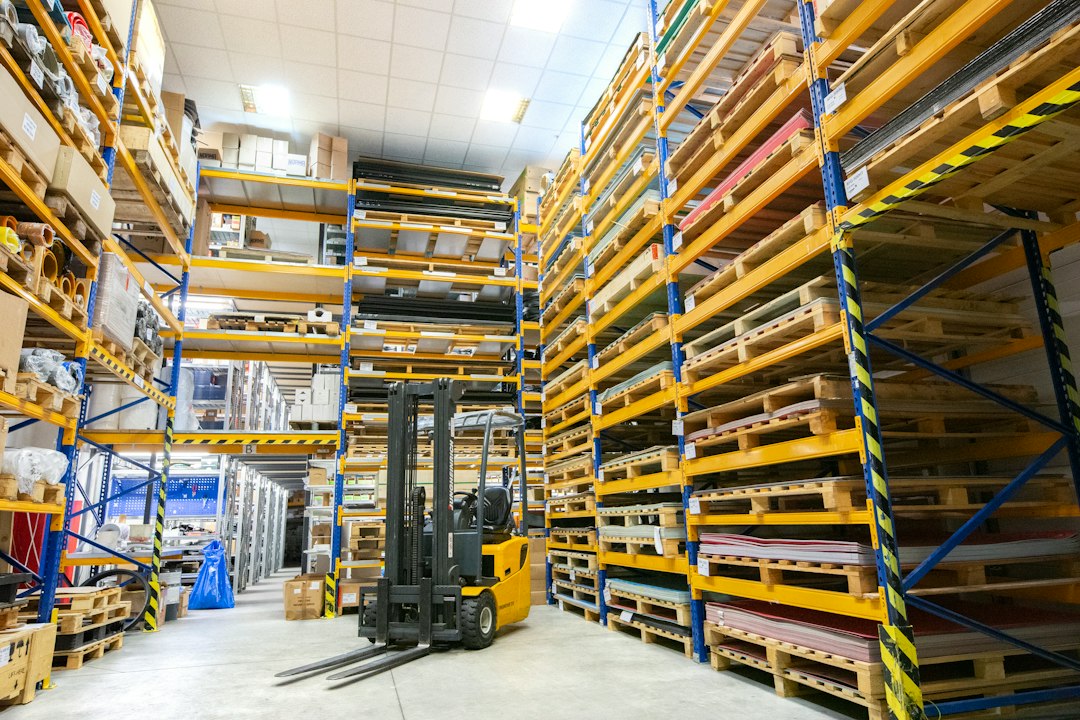
Sample Decision Path: Choosing Between Two Reliable Brands
Imagine you are choosing between two well-regarded brands that both have strong reputations globally. Rather than trying to crown a universal “winner,” walk through a structured decision path.
- Score application fit: Rate each brand’s proposed models for load capacity, lift height, aisle width, and environment suitability.
- Assess dealer competence: Compare technician availability, parts stock, and responsiveness, using concrete numbers.
- Evaluate lifetime cost: Ask for five-year cost scenarios including maintenance packages, extended warranties, and estimated residual values.
- Review safety and ergonomics: Arrange operator trials and solicit honest feedback on comfort, visibility, and confidence.
- Check references: Speak with at least two customers per brand whose operations resemble yours, focusing on downtime experiences.
- Pilot test if possible: Run a trial with 1–2 units from each brand, track key metrics for several weeks, then decide with data.
Final Thoughts
Choosing among the most reliable forklift brands is less about chasing a universal top‑10 list and more about aligning proven manufacturers with your specific environment, workload, and support ecosystem. Brands that combine robust engineering with strong local dealers, available parts, and clear maintenance practices will almost always outperform cheaper, poorly supported alternatives over the long term.
By focusing on the comparison factors outlined in this guide—application fit, dealer strength, parts access, total cost of ownership, and operator experience—you can confidently narrow your shortlist to a handful of serious contenders. From there, structured trials and candid references will help you invest in forklifts that deliver consistent uptime, safer operations, and predictable costs for years to come.
Editorial note: This article is a general comparison guide and does not rank specific manufacturers. For more information on material handling equipment and brand options, visit the original source at rippa.com.