What McDonald’s FIFA World Cup Meals Teach Us About Customer Retention
When McDonald’s launches special meals tied to global events like the FIFA World Cup, the goal isn’t just buzz—it’s long‑term loyalty. These promotions are cleverly engineered to keep people coming back before, during, and after the tournament. By looking closely at how these campaigns work, any restaurant or food brand can uncover practical techniques to strengthen customer retention and lifetime value.
Why World Cup Meals Matter for Customer Retention
Every four years, the FIFA World Cup becomes a cultural moment that dominates screens, conversations, and consumer habits. When a global chain like McDonald’s introduces World Cup meals, it is not merely chasing short-lived sales spikes. These campaigns are carefully designed to deepen emotional connection, spark habits, and nudge customers into repeat visits.
Rather than focusing only on how many meals are sold during the tournament, the real lesson lies in what happens after the final whistle. Do customers keep coming back? Do they remember the brand when they think about match nights, gatherings, or quick family meals? That is where retention is won.
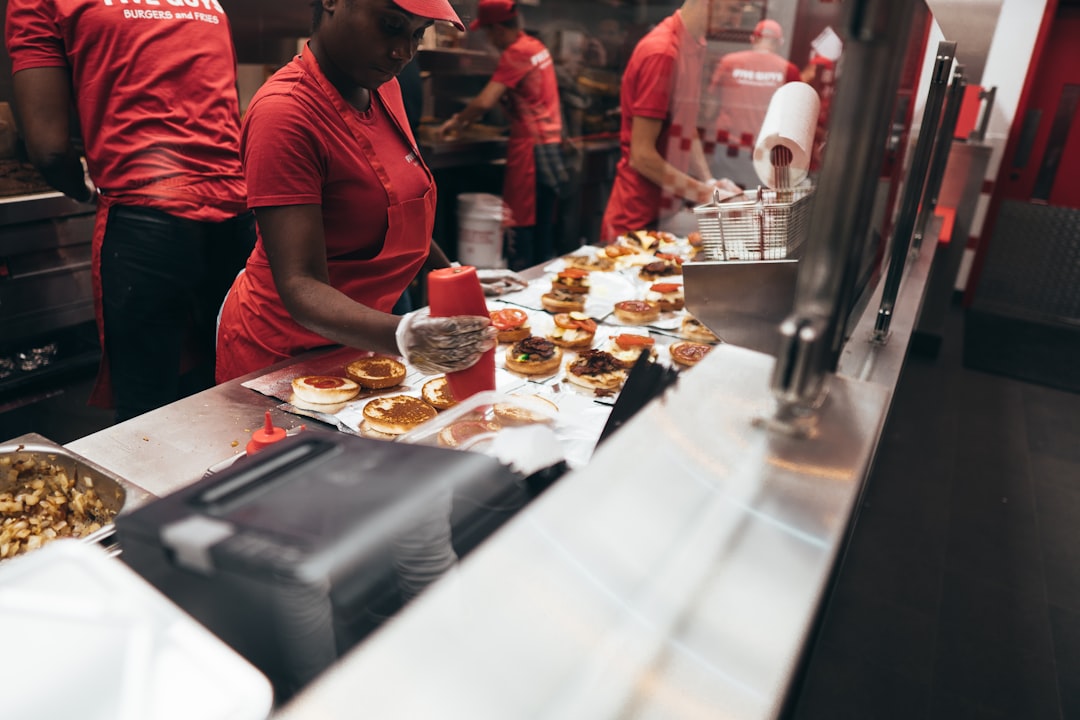
The Power of Event-Driven Menus
Event-driven menus tap into existing excitement. The World Cup already brings emotion, national pride, and social viewing. A themed meal simply rides that wave. Instead of trying to create interest from scratch, McDonald’s connects its offering to a moment when people are already primed to spend and share experiences.
From a retention standpoint, this approach achieves two things at once: it creates a memorable association between the brand and the event, and it gives customers a fresh reason to return multiple times throughout the tournament window.
Why Limited-Time Offers Stick in Memory
Limited-time offers (LTOs) perform well because they feel special and fleeting. World Cup meals naturally fit this pattern: they are only available for the duration of the tournament, sometimes rotating by stage or match-day. This scarcity can drive:
- More frequent visits as fans try different combinations or collect different items before they disappear.
- Higher average checks when customers add themed sides, desserts, or drinks to complete the experience.
- Stronger recall of the brand’s role in customers’ World Cup memories.
Emotional Hook: Tapping Into Fandom
Retention is not just about discounts or points; it is deeply emotional. The World Cup is full of highs and lows, national pride, nostalgia, and shared viewing moments. By building meals around that energy, McDonald’s links its brand to the emotional journey of fans.
From Generic Meal to Match Ritual
When a meal is explicitly framed as a “match combo” or “watch-party box,” it slowly transforms from a random purchase into part of a ritual. Fans begin to think, “Match tonight—what are we ordering?” If a World Cup meal reliably answers that question, it has moved into the territory of habit.
- Fans ordering the same combo for every match of their team.
- Groups splitting a large meal bundle during knockout rounds.
- Families choosing the special meal to keep kids engaged and excited.
These patterns reinforce repeat behavior, which is the backbone of retention.
Designing a World Cup Meal That Drives Repeat Visits
Under the surface, successful World Cup meals are not random assortments of items. They are constructed to balance perceived value, shareability, and operational feasibility.
Key Components of a Retention-Friendly Meal
Whether you are a global chain or a single-location restaurant, several elements make a themed meal more likely to boost retention:
- Clear theme: Name the meal in a way that instantly connects it to the event (e.g., “World Cup Fan Feast”).
- Obvious value: The bundle should feel like it saves money versus buying items separately.
- Shareable format: Include sizes and combinations that work for couples, families, or friend groups watching together.
- Simple choices: Minimize complexity so staff can fulfill orders quickly during match rushes.
- Add-ons and upgrades: Create low-friction ways to increase the check, like themed desserts or drinks.
Using Data and Timing to Keep Customers Engaged
Behind the scenes, major chains rely heavily on data to optimize promotions like World Cup meals. Even without a huge analytics team, smaller operators can borrow the same logic: align your offers with peak engagement moments and customer behavior.
Timing Promotions Around the Tournament Calendar
A World Cup does not have a flat demand curve. Audience interest spikes at the opening match, big rivalries, and knockout stages. Smart campaigns adjust accordingly. For example:
- Launch phase: Introduce the meal just before the tournament, supported by teaser content and early-bird deals.
- Group stage: Promote convenience and value for frequent match nights.
- Knockout rounds: Push larger sharable bundles for watch parties.
- Finals: Surprise loyal customers with bonus items or double points to end on a high note.
This phased approach encourages multiple visits instead of a single trial purchase.
Copy-Paste Mini Calendar for Your Next Sports Promotion
Pre-tournament: tease and offer early pre-orders. Group phase: focus on value bundles for frequent matches. Knockouts: promote large sharing boxes and upsized sides. Final: reward repeat visitors with a limited bonus item or loyalty boost.

Integrating Loyalty Programs With Event Meals
The most powerful customer retention results happen when themed meals are tied directly into a loyalty program. McDonald’s and similar brands increasingly encourage customers to order through an app, scan a code, or collect points on every World Cup meal purchase.
Turning One-Time Buyers Into Known Customers
When the purchase of a World Cup meal requires or rewards digital sign-up, the brand gains a new channel to communicate with that customer after the event. That unlocks:
- Personalized offers based on what customers ordered during the tournament.
- Timed reactivation campaigns a few weeks after the final to prevent drop-off.
- Cross-promotion of other seasonal items or everyday value menus.
Practical Loyalty Tie-Ins for Smaller Brands
Even without a full-featured app, restaurants can replicate this dynamic by:
- Collecting email or SMS opt-ins at the point of sale when customers buy the themed meal.
- Offering a punch card specifically for “match-night” meals, with a reward after several visits.
- Using simple QR codes that link to a sign-up page for future offers.
Creating Shareable Moments and Social Proof
World Cup meals often feature packaging, collectibles, or presentation that encourage sharing on social media. This is not just vanity; it supports retention because it embeds the meal in a broader social experience.
Packaging as a Retention Tool
Special cups, boxes, or bags with national flags, tournament graphics, or player silhouettes can turn an ordinary order into a keepsake. Customers are more likely to remember and talk about an experience that feels “limited edition.”
Restaurants can leverage this by:
- Printing simple event logos or slogans on packaging.
- Adding a QR code that unlocks a digital game, prediction challenge, or small prize draw.
- Encouraging customers to post photos with a branded hashtag for a chance to win free meals.
These tactics amplify word of mouth during the event and keep the brand visible in customers’ feeds.
Balancing Operations and Experience
Special meals bring operational strain as well as opportunity. During high-demand events, kitchens are under pressure and service times can make or break the experience. Poor execution will hurt retention no matter how clever the promotion.
Operational Principles Behind a Successful World Cup Meal
To maintain satisfaction and keep customers returning after the tournament, brands should ensure that:
- Prep workflows are adapted for expected spikes around kick-off times.
- Staff are briefed on the details of the promotion and trained to explain it quickly.
- Inventory planning anticipates peak days to avoid running out of signature items.
- Digital ordering or pre-orders are promoted to smooth demand.
Customers remember whether ordering the World Cup meal felt seamless or stressful. That memory heavily influences whether they return.
Comparing Retention Levers in Event Promotions
Different elements of a World Cup campaign contribute differently to customer retention. Thinking in terms of levers can help you design your own promotion more strategically.
| Retention Lever | Main Benefit | Best Use Case | Risk if Misused |
|---|---|---|---|
| Themed Meal Bundles | Increase visit frequency and check size | Match nights, family or group orders | Can feel gimmicky if value is unclear |
| Loyalty Integration | Builds a contactable customer base | Turning first-time buyers into regulars | Complex sign-ups may deter participation |
| Limited-Time Collectibles | Strengthens emotional attachment | Fans, kids, and collectors | Inventory issues can cause frustration |
| Social Media Challenges | Amplifies word of mouth and brand visibility | Targeting younger, digitally active fans | Poor moderation may harm brand image |

Adapting World Cup Strategies to Any Restaurant
Most operators do not have McDonald’s scale or marketing budget, but the underlying retention tactics behind World Cup meals are widely applicable.
How Smaller Brands Can Apply These Lessons
Instead of thinking “World Cup,” think “big moments your customers already care about” — local derbies, national teams, regional tournaments, or even non-sporting events. The playbook remains similar:
- Create a clearly branded, limited-time meal connected to the event.
- Promote it heavily where your customers already are: in-store, on social, and via simple loyalty tools.
- Use the event as a reason to collect contact details and start an ongoing relationship.
- Plan a follow-up offer after the event to keep momentum rather than letting attention fade.
Final Thoughts
Event-driven campaigns like McDonald’s FIFA World Cup meals are far more than fun, themed menu items. They are carefully engineered retention engines that tie brand, emotion, and habit together over a concentrated period of time. By combining limited-time value, strong emotional hooks, loyalty integration, and operational discipline, these promotions can transform casual visitors into repeat customers long after the tournament ends.
For any restaurant or food brand, the core lesson is clear: do not treat major events as one-off sales spikes. Treat them as structured opportunities to start, deepen, and sustain relationships with the customers who walk through your doors because of the game—and stay because of the experience you deliver.
Editorial note: This article draws inspiration from coverage in FoodChain Magazine on how McDonald’s FIFA World Cup meals illustrate effective customer retention strategies. For more context, visit the original source.