How Misreading Indian Rural Consumers Leads to Costly Market Missteps
Rural India is often treated as a single, homogenous market, but this view hides the diversity, nuance, and fast‑evolving aspirations of hundreds of millions of consumers. Startups and companies that copy‑paste urban playbooks into villages routinely face low adoption, broken unit economics, and brand mistrust. Understanding what actually drives rural purchase decisions—beyond stereotypes—is critical if you want to build a durable presence outside India’s metros.
Why Indian Rural Consumer Behavior Is So Often Misjudged
Rural India is frequently discussed in boardrooms as a giant, untapped opportunity. Yet many startups and even large brands underestimate how different the decision-making logic can be in villages and smaller towns compared to metros. The result: products that look perfect on a pitch deck but die quietly on a dusty shelf in a kirana store, or never make it to shelves at all.
There is no single "rural customer" in India. Instead, there are hundreds of micro-markets shaped by regional culture, caste and community networks, crops and local economies, migration patterns, climate, and infrastructure gaps. Misjudging these nuances leads to misaligned product features, unrealistic pricing, wrong go-to-market choices, and ultimately avoidable market failures.
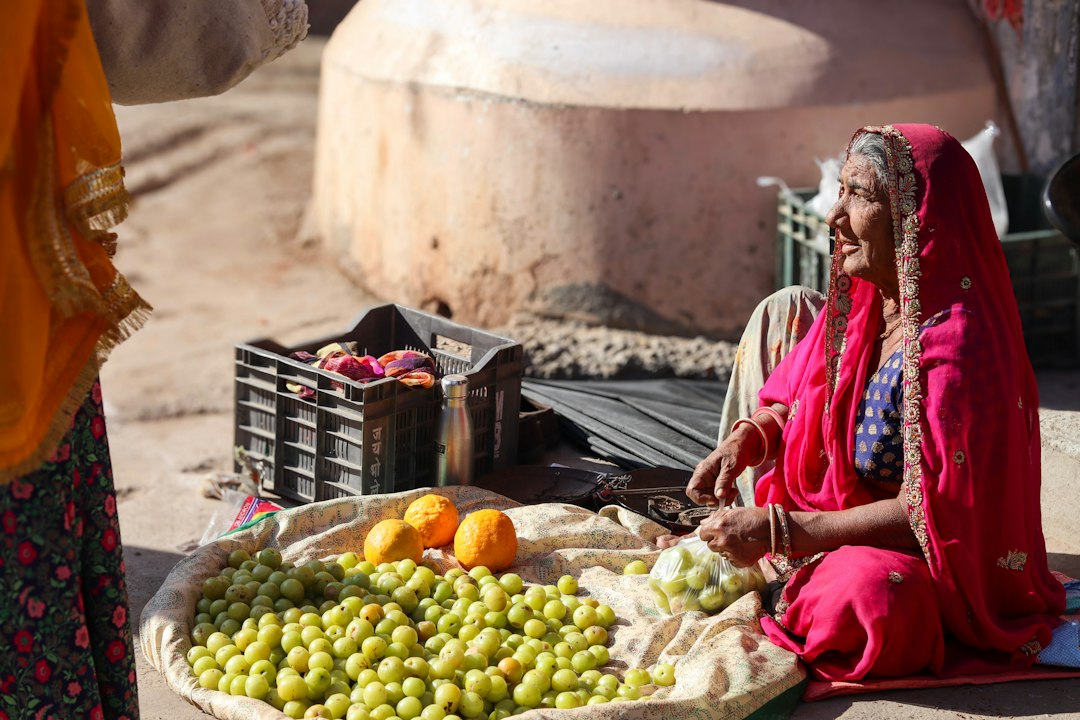
Myth vs. Reality: Common Stereotypes About Rural Consumers
Many market missteps start with flawed assumptions. Before designing strategy, it helps to unpack a few persistent myths about rural India.
Myth 1: Rural Consumers Are Only Price Sensitive
Price sensitivity is real, but it is not the only—or even the primary—driver in many categories. Rural households may spend carefully, yet they often pay a premium when they see clear value, durability, or trust. For example, spending more on a reliable agricultural input, a trusted health product, or a school-related purchase for children is common, even when cheaper options exist.
What looks like "extreme price sensitivity" from the outside is often risk aversion: if a household can only afford to buy once, the cost of a wrong decision is far higher than for an urban middle-class buyer who can experiment and switch more easily.
Myth 2: Rural India Is Technologically Backward
Mobile penetration, internet access, and digital payments have grown rapidly across rural India. Access patterns are uneven, but it is no longer safe to assume that rural consumers are offline or tech-illiterate. Many households may use a shared smartphone, watch videos on short-form platforms, or be part of messaging groups that shape opinions and choices.
The relevant question is not “Do they use tech?” but “How, when, and with whose help do they use tech?” Misunderstanding this usage pattern leads to clumsy app-first solutions that never become part of real daily behavior.
Myth 3: Rural Consumers Are Brand-Loyal and Slow to Change
Rural customers can be extremely pragmatic. They are loyal when a brand repeatedly proves its value and is easy to access, but they also switch quickly if something offers better value, better experience, or fits local context more closely. Loyalty is often tied to relationships—shopkeepers, local influencers, self-help groups—not just to logos.
Myth 4: Rural India Is One Homogenous "Bharat" Market
One of the most harmful assumptions is treating rural India as a single market block. Differences between regions, states, and even neighboring villages can be dramatic in:
- Language and cultural norms
- Crop cycles and income seasonality
- Religious practices and festivals
- Financial access and credit practices
- Exposure to migration and urban lifestyles
Copy-paste strategies that work in one belt (for example, parts of western India) can completely misfire in another (such as eastern or northeastern states).
Seven Classic Market Missteps in Rural India
When the underlying behavior is misunderstood, certain patterns of failure repeat. Below are seven recurring mistakes that derail rural strategies, especially for startups that build only on urban experience.
1. Designing Products for Urban Aspirations, Not Rural Reality
It is tempting to assume that rural consumers want the exact same products as urban consumers, just at lower prices. In practice, the context of use can be very different: storage conditions, access to electricity, water quality, road conditions, or the need to share products across multiple family members.
- Electronics and appliances that assume 24x7 stable electricity often disappoint.
- Packaging that is not moisture- or dust-resistant degrades quickly in village shops.
- Purely text-heavy instructions or apps ignore lower comfort with complex written interfaces, even among literate users.
By focusing only on aspirational features seen in cities (style, advanced settings, complex UIs), teams miss basic functionality that rural consumers truly care about: robustness, simplicity, and reliability.
2. Getting Pricing and Pack Sizes Wrong
Rural cash flows tend to be more volatile and seasonal, often linked to crop cycles, daily wages, or remittances. This shapes how households think about affordability.
Common pricing missteps include:
- No entry price point: Only offering large packs or high-ticket SKUs when households need small, low-commitment trial sizes.
- Ignoring seasonality: Launching expensive discretionary products just before a lean season instead of aligning with cash-rich periods.
- Misreading value perception: Confusing low willingness to pre-pay large sums with low willingness to pay overall; many families will pay more over time if risk and cash-flow burden are reduced.
Designing installment models, sachet sizes, refill packs, or shared-use formats can unlock demand without eroding perceived value.
3. Over-Reliance on Digital-Only Acquisition
Digital campaigns and apps are attractive because they scale easily, but in rural India they rarely work in isolation. Bandwidth constraints, phone-sharing, and low trust in unknown brands mean that pure digital funnels often see very low conversion past initial curiosity.
Assuming that a well-designed app, website, or social media presence alone will drive adoption is a mistake. In many categories, especially health, finance, and agri-inputs, a human bridge is still critical—field agents, local entrepreneurs, or trusted shopkeepers who can explain, reassure, and demonstrate.
4. Misunderstanding the Role of Trust and Social Proof
In tightly knit rural communities, purchasing decisions are rarely individualistic. Kinship networks, local leaders, shopkeepers, school teachers, and self-help group members often influence whether a product is trusted.
Brands that ignore these informal power structures end up spending heavily on mass communication while missing the real levers of trust. A single negative experience that circulates through gossip or local messaging groups can stall adoption in multiple villages at once.
5. Ignoring the Rural Woman as the Key Decision-Maker
In many categories—food, health, education-related purchases, basic household goods—women play a central role in evaluation and decision-making, even when men control cash or external-facing transactions. However, marketing material, sales efforts, and product design are often tailored solely to male gatekeepers.
Overlooking women’s information channels (self-help groups, informal gatherings, children’s school networks) and constraints (mobility, time, safety concerns) can lead to strong products that never reach their primary user.
6. Copying Urban Distribution Models Without Adaptation
Urban playbooks assume dense store networks, predictable logistics, and formal retail structures. Rural India often depends on:
- Scattered kirana shops and haats (weekly markets)
- Multi-role retailers who sell everything from seeds to soap
- Local transporters whose schedules are irregular and weather-dependent
- Village-level entrepreneurs running micro-businesses from their homes
Startups that assume next-day replenishment, strict planograms, or heavy POS branding are often disappointed. Without a distribution strategy tailored to local density, road quality, and retailer economics, even the best product will simply be unavailable when demand arises.
7. Underestimating After-Sales Support and Service
In categories like appliances, solar products, water systems, or farm equipment, after-sales service is as important as the product itself. Rural customers may live far from service centers and cannot afford long periods of downtime or repeated travel to get repairs.
When companies fail to provide accessible maintenance, spare parts, or clear resolution timelines, word spreads quickly. A single unresolved service issue, seen by neighbors and extended family, can hurt adoption in an entire cluster of villages.
Understanding the Rural Purchase Journey
To avoid these missteps, it is helpful to unpack how a typical rural purchase decision unfolds. The exact path varies by category and region, but several common stages appear repeatedly.
Stage 1: Problem Recognition and Trigger
Instead of being driven by advertising alone, many rural purchases are triggered by specific events:
- A crop failure or pest attack prompting search for better inputs
- A health scare in the family pushing investment in hygiene or insurance
- Children reaching a certain class motivating purchases related to education
- Marriage or migration events that change household aspirations or income
Products framed around real, visible problems tend to resonate more than abstract features or status-driven messaging.
Stage 2: Information Search within Local Networks
Once a need is identified, rural consumers often consult:
- Shopkeepers and local service providers
- Neighbors and extended family
- Local leaders, teachers, or health workers
- WhatsApp groups, short video platforms, or community radio
Digital information is often blended with offline advice, and the credibility of the messenger matters as much as the content.
Stage 3: Risk Assessment and Trial
Households carefully weigh potential loss: “If this does not work, what will it cost us?” This is where free trials, low-commitment entry packs, or pay-per-use models reduce anxiety. Visible early adopters—people in the same village using and benefiting from a product—act as powerful proof points.
Stage 4: Purchase and Usage Experience
First-use experience strongly shapes word-of-mouth. Simple installation, clear instructions, and immediate perceived benefit can turn cautious users into advocates. Conversely, complexity or hidden extra costs at this stage can permanently damage trust.
Stage 5: Word-of-Mouth Amplification
Positive or negative experiences spread quickly through social networks and local gatherings. In some communities, this peer feedback can matter more than celebrity endorsements or large ad spends. Brands that actively nurture and support early users often see organic growth across villages.
Field-Ready Checklist: Are You Respecting the Rural Purchase Journey?
Before launch, ask your team: (1) Can we name the concrete event that triggers purchase? (2) Which 3 local influencers will most shape opinions? (3) What is our lowest-risk entry offer? (4) What does “success after first use” look like within 24–72 hours, and how will we ensure it happens consistently?
Designing Offers That Fit Rural Cash Flows
Because income in many rural households is irregular and seasonal, a strategy that appears affordable monthly on paper may still be unrealistic in practice. Startups that ignore this nuance either struggle with collections or fail to convert interest into actual purchases.
Aligning with Agricultural and Local Income Cycles
In agrarian regions, cash availability often spikes during post-harvest periods and dips sharply in lean seasons. Other local income sources—tourism, remittances, local industry—have their own cycles. Mapping these cycles helps you:
- Time product launches and promotions around cash-rich periods
- Structure payment schedules that match predictable income windows
- Decide when to offer credit or pay-later options responsibly
Flexible Payment and Usage Models
In many categories, creative models allow rural consumers to access value without prohibitive upfront costs:
- Pay-per-use: Renting equipment, paying per recharge/usage session rather than buying outright.
- Group ownership: Self-help groups or farmer collectives purchasing together and sharing usage.
- Subscription or service bundles: Regular service, spares, or consumables included, reducing unpredictable expenses.
The key is aligning unit economics with both household realities and local business partners’ incentives.
Going Beyond Surveys: How to Actually Learn from Rural Consumers
Light-touch online surveys or urban focus groups rarely reveal the full picture of rural consumer behavior. To reduce misjudgment, companies must invest in richer, context-aware research methods.

1. In-Village Immersion
Spending time in villages—living there briefly or repeatedly visiting at different times of the day and year—reveals insights that no slide deck can match:
- Who actually uses the product versus who pays for it
- What compromises households make when money is short
- Which gatherings and spaces act as hubs of information
- How products are stored, shared, and repaired informally
2. Shadowing Local Retailers and Service Providers
Retailers, mobile recharge points, pharmacists, mechanics, and agri-input dealers see real behavior daily. Observing their interactions with customers can reveal:
- Common questions and concerns before purchase
- Workarounds people invent when products don’t fully fit their needs
- The impact of stockouts and supply irregularities on brand switching
3. Participatory Research with Community Groups
Working with self-help groups, farmer producer organizations, or youth clubs allows more open discussion. Participants can map their own daily routines, spending patterns, and pain points. These sessions are especially valuable for hearing women’s perspectives and understanding intra-household dynamics.
4. Testing with Real Money and Real Risk
Pilots that give products away for free or pay people to participate often distort behavior. Whenever possible, run small paid pilots:
- Offer the product at realistic pricing and payment terms.
- Track who buys, who hesitates, and why.
- Follow up after usage to learn what worked and what failed.
- Iterate on features, pricing, or distribution based on observed behavior—not just stated preferences.
Adapting Distribution: From Kirana Stores to Village Entrepreneurs
Reaching rural consumers is not just about demand; supply constraints can kill even the strongest interest. Distribution must be tailored to geography, density, and local economic structures.
Rethinking the Role of the Kirana Store
Kirana shops in rural areas often act as:
- Retail outlets
- Informal credit providers
- Sources of product advice and troubleshooting
- Local nodes for delivery and pickup of other services
Startups that treat these stores merely as shelf space miss an opportunity. Training shopkeepers, aligning margins, and giving them simple tools to explain your value proposition can turn them into powerful advocates.
Leveraging Village-Level Entrepreneurs
Village entrepreneurs—people running micro-enterprises from their homes or small kiosks—can be effective partners for categories that require demonstration, installation, or ongoing support. For example:
- Agents for financial services or digital payments
- Installers or maintainers for small solar or water systems
- Local coordinators for health, education, or skilling services
Supporting these entrepreneurs with training, simple tech tools, and fair economics helps create a human interface that builds trust.
When to Use Hub-and-Spoke vs. Direct Routes
Distribution design often comes down to a trade-off between reach and cost:
| Model | When It Works Best | Key Considerations |
|---|---|---|
| Hub-and-spoke via district/taluk hubs | Moderate to high-density clusters; multiple villages within reach of a hub | Requires reliable mid-mile logistics; hubs need enough volume to be viable |
| Direct-to-retailer routes | High-value or sensitive products; tight control over retailer relationships | Higher cost per drop; must optimize route frequency and load planning |
| Partner-led distribution | Early-stage rollouts; when a local player already has reach | Margins and brand control can be challenging; choose partners carefully |
Marketing That Resonates with Rural Aspirations
Messaging for rural India often swings between condescending and overly simplistic. Effective communication respects both constraints and aspirations.
Focus on Tangible Outcomes, Not Jargon
Instead of abstract claims ("advanced technology", "premium quality"), rural consumers respond better to concrete outcomes:
- "Saves this many hours of work per week"
- "Helps your child study even during power cuts"
- "Reduces the number of trips to the town hospital"
Use Local Language, Faces, and Contexts
Imagery that reflects real village life—fields, local homes, community gatherings—tends to feel more authentic than generic stock visuals. Messaging in local languages or dialects, delivered by familiar voices (radio, local performers, teachers) amplifies trust.
Blend Digital with On-Ground Engagement
Door-to-door demonstrations, community events, and group sessions in schools or panchayat spaces work best when they are reinforced with:
- Short videos shared on messaging apps
- Interactive voice response (IVR) helplines
- Local-language FAQs accessible from basic phones
This blend ensures that a one-time event leads to ongoing engagement and problem-solving.
The Growing Role of Digital in Rural Consumer Behavior
While offline channels remain critical, digital is no longer peripheral in many rural areas. It is embedded in entertainment, communication, and increasingly in commerce and services.

Information Discovery and Comparison
Short video platforms, social media, and messaging apps influence what people hear about new products. Rural youth, in particular, often act as digital gatekeepers for their families, discovering options online and translating or explaining them to older relatives.
Digital Payments and Trust
Digital payments are gaining ground in rural shops, transport, and services, but trust remains tied to human relationships. A QR code becomes credible when endorsed by a known shopkeeper or local agent. Startups that anchor their digital journeys around these trusted nodes fare better than those trying to bypass them.
Remote Support and Service
WhatsApp numbers, video support, and helplines in local languages can dramatically reduce the pain of after-sales issues. When a rural user can quickly reach a human who understands their language and context, their tolerance for occasional product glitches increases significantly.
Practical Steps for Startups Targeting Rural India
Translating these insights into action requires discipline. Below is a simple, practical sequence for designing rural strategies that respect real consumer behavior.
Step-by-Step Approach
- Define your specific rural segment. Choose a state or sub-region, a few districts, and a clear customer profile instead of "all of rural India".
- Conduct immersive field research. Spend time in villages, shadow retailers, and run participatory sessions with community groups before finalizing your value proposition.
- Prototype with cash at stake. Test pricing, payment schedules, and pack sizes using small paid pilots, not freebies.
- Design for low-risk entry. Create sachet packs, trial periods, or pay-per-use options that fit local cash flows.
- Build a human layer into distribution. Identify local entrepreneurs, shopkeepers, or agents who can demonstrate and support your product.
- Invest in after-sales and grievance redressal. Offer accessible helplines, local service points, or mobile service camps with clear timelines.
- Track word-of-mouth. Regularly gather feedback from early users and community influencers to catch emerging issues before they spread widely.
Final Thoughts
Misjudging Indian rural consumer behavior is less about ignorance of facts and more about applying the wrong mental models. Startups and corporates often project urban habits, digital assumptions, and individualistic decision-making patterns onto communities where risk-sharing, social proof, and seasonal cash flows matter far more. The result is a trail of underperforming pilots, disillusioned field teams, and “rural is too hard” conclusions.
Companies that succeed in rural India tend to share a few traits: humility to learn from the ground up, patience to iterate through real-world pilots, and respect for the complexity of local contexts. They design products that can survive village-level realities, create pricing and payment structures that match household cash flows, and weave their digital capabilities around trusted human relationships. For those willing to do this work, rural India is not just a large market—it is a resilient, loyal, and deeply rewarding one.
Editorial note: This article synthesizes general insights on rural consumer behavior in India and common strategic mistakes made by startups and companies. For additional context, see the original reference link: https://t.co.