Hunting Lease NY: A Practical Guide to Finding, Negotiating, and Managing Land Access
Securing reliable hunting access in New York can be challenging, especially as public land crowds and private parcels get posted. A well-structured hunting lease offers a clear, legal way for hunters and landowners to work together. This guide walks through how leases typically work in NY, what should be in writing, and how both sides can protect their rights and their land.
Understanding Hunting Leases in New York
In New York, a hunting lease is a private agreement that gives a hunter, or a group of hunters, the right to access a landowner’s property for hunting in exchange for payment and adherence to specific rules. It does not change who owns the land; it simply defines who can hunt there, when, and under what conditions.
Because New York has a mix of dense forest, farmland, and suburban-fringe woodlots, many of the best spots for deer, turkey, and small game are on posted private land. A lease gives hunters predictable access and gives landowners structure, liability protection options, and potential income.
Unlike buying land outright, leasing is flexible. It can cover a single day, a weekend, a specific season, or a full year, depending on what the parties agree. For many hunters, a New York hunting lease becomes the backbone of their yearly hunting plans.
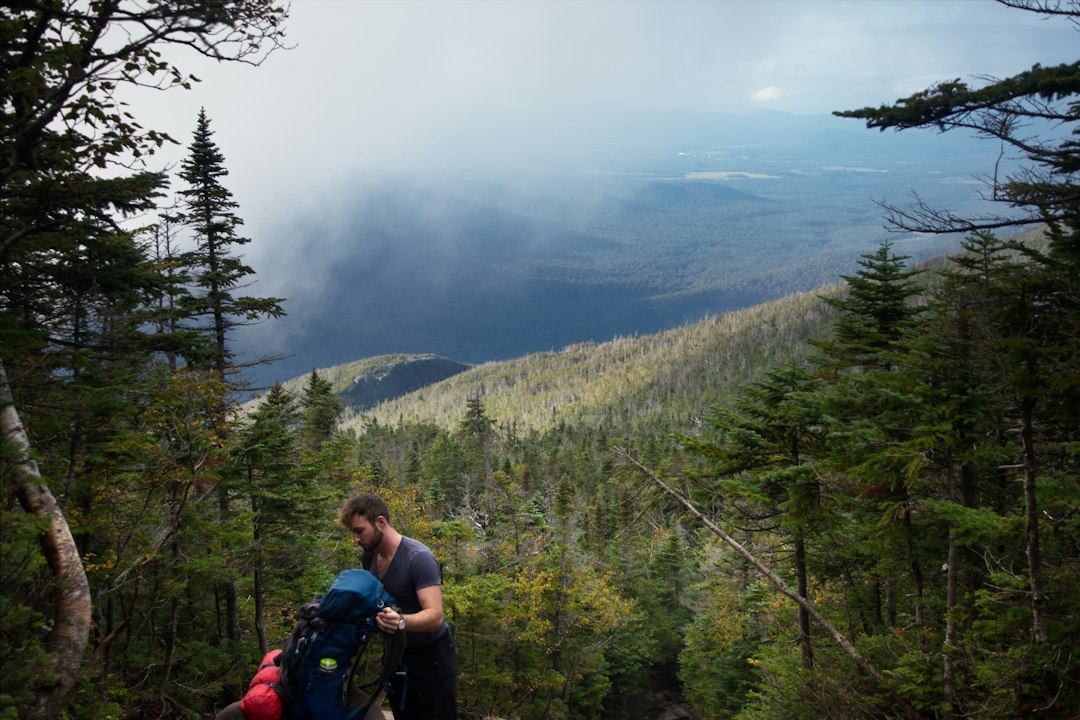
Why Consider a Hunting Lease in NY?
Both hunters and landowners have strong reasons to consider a lease rather than informal, handshake-only access.
Benefits for Hunters
- Reliable access: A lease reduces the risk that a favorite spot suddenly becomes off-limits mid-season.
- Lower hunting pressure: Limited membership often means fewer hunters on the property and more natural game movement.
- Ability to plan: Hunters can scout, hang stands, and track trail camera data over time.
- Clear rules: Written guidelines on stand placement, guests, and vehicles cut down on disputes.
Benefits for Landowners
- Control over access: Landowners know exactly who is on their property, when, and why.
- Income stream: Lease payments can help offset taxes, maintenance, or habitat improvements.
- Reduced trespassing: Having responsible, known hunters often discourages unauthorized entry.
- Custom rules: Landowners can set conditions about vehicles, cutting limbs, guest policies, and more.
Key Types of Hunting Leases in New York
Most New York hunting leases fall into a few broad categories. Understanding them will help you decide what fits your situation.
Exclusive vs Non-Exclusive Leases
- Exclusive lease: Only the named hunter or hunting club has hunting rights on the property for the term of the lease. The landowner usually keeps non-hunting rights, like hiking or timber operations, unless limited by the contract.
- Non-exclusive lease: Multiple hunters, groups, or even commercial outfitters may have overlapping rights. This typically costs less but offers less solitude.
Many serious deer hunters in NY prefer exclusive arrangements, especially in areas with strong whitetail populations where pressure matters.
Seasonal vs Year-Round Leases
- Seasonal: These cover specific seasons such as archery deer, firearms deer, turkey, or waterfowl. They are ideal if you only care about one type of hunting or if the landowner wants off-season privacy.
- Year-round: These typically include small game, off-season scouting, and sometimes limited camping and shooting. Year-round access can be valuable for tracking deer patterns and improving habitat.
Commercial vs Private-Party Leases
- Commercial leases: Arranged by outfitters or brokers who then bring guided clients to the property.
- Private-party leases: Direct agreements between an individual hunter or club and a landowner.
Private-party leases are common among New York residents, especially for family groups or long-standing clubs.
Typical Costs and Factors That Influence Price
Lease rates in New York vary widely. The same number of acres can command very different prices based on location, habitat, game density, and demand.
What Affects the Price of a NY Hunting Lease?
- Region: Areas known for strong deer numbers or larger bucks often see higher rates.
- Acreage and layout: A small but well-connected property with mixed cover can be more valuable than a larger, open field.
- Access and roads: Good driveway or trail access for trucks and ATVs is a big plus.
- Existing infrastructure: Cabins, food plots, box blinds, and shooting lanes all add value.
- Multi-species opportunity: Deer plus turkey, waterfowl spots, or upland birds generally command more.
- Exclusivity and group size: Exclusive, small-group leases cost more per hunter than broad, non-exclusive access.
| Lease Type | Access Level | Typical Group Size | Relative Cost |
|---|---|---|---|
| Exclusive, Year-Round | Full hunting rights, off-season scouting | 1–6 hunters | Highest |
| Exclusive, Seasonal | Specific game seasons only | 2–8 hunters | Medium–High |
| Non-Exclusive, Seasonal | Shared with others | Varies | Lower |
Essential Elements of a New York Hunting Lease Agreement
A clear, written contract is the backbone of any successful hunting lease in NY. While many people start from generic templates, the details should reflect the actual property, local laws, and the expectations of both sides.
Core Information to Include
- Names and contact details: Full legal names and addresses of the landowner and all hunters or the club representative.
- Legal description of the property: Address, approximate acreage, and any maps or marked boundaries.
- Lease term: Start and end dates, including what times of day access is allowed.
- Payment details: Amount, due dates, and acceptable payment methods.
- Access rights: Which gates, trails, and parking areas may be used.
Hunting Rules and Limitations
Spelling out rules up front prevents many conflicts later.
- What types of game may be hunted and during which legal seasons.
- Weapons allowed (archery only, no rifles, shotgun-only, muzzleloader, etc.).
- Stand and blind rules, including whether screw-in steps or cutting small limbs is permitted.
- Guest policy, including limits on unlisted hunters and youth hunters.
- Use of ATVs, UTVs, and trucks, especially in wet or sensitive areas.
- Alcohol and substance-use policies on the property.
New York hunting regulations still apply regardless of what the lease says. The agreement can be stricter than state law but never looser.

Liability, Indemnity, and Insurance
Liability is a major concern for landowners. While specifics depend on the situation and legal advice, leases commonly address these points:
- Release of liability: Hunters acknowledge the risks of outdoor activity and agree not to hold the landowner responsible for ordinary hazards.
- Indemnification: Hunters agree to protect the landowner from claims arising from their actions on the property, as far as the law allows.
- Insurance requirements: Some landowners require hunters or clubs to carry liability insurance and list the landowner as an additional insured.
Because laws and exposure vary, both sides should consider speaking with a local attorney or insurance professional before finalizing terms.
Copy-Paste Checklist: Clauses to Discuss Before Signing
Before you sign a hunting lease in New York, make sure you have talked through: property boundaries and maps; who can hunt (names and guests); allowed weapons; vehicles and parking; tree stand and blind rules; food plots and habitat work; camping or fires; trash and field dressing; livestock or crop protection concerns; liability releases; and how either side can terminate the lease. Paste this list into your draft agreement and confirm each item.
Finding a Hunting Lease in New York
Locating the right NY hunting lease is often the hardest part, especially in high-demand regions. Successful hunters usually combine several approaches instead of relying on just one website or conversation.
Where to Look
- Local networking: Talk with farmers, loggers, feed-store owners, and neighbors in rural areas where you want to hunt.
- Online classifieds and listing sites: Some landowners and clubs post available leases on hunting forums, local classifieds, or specialized listing platforms.
- Real estate contacts: Agents who focus on land often know of properties that are not for sale but may be open to leasing.
- Timber and farm companies: Larger landholders sometimes run structured leasing programs.
Evaluating a Property Before You Commit
Before signing any lease, visit the land in person if at all possible. Walk the boundaries with the landowner or their representative and look for:
- Safe shooting backstops and awareness of nearby homes or roads.
- Signs of game: tracks, trails, droppings, rubs, and roosting areas.
- Neighboring land use, such as heavy hunting pressure or active agriculture.
- Water sources, cover, and food that support wildlife.
- Practical entry and exit routes to stands without spooking game.
How to Negotiate a Fair NY Hunting Lease
Negotiating a lease should be an open, respectful conversation where both sides explain what they need. The goal is a win–win, not a one-time deal that leaves someone unhappy.
For Hunters
- Do your homework: Understand approximate going rates in the region so your offers are realistic.
- Clarify your group: Decide how many hunters will be on the lease and their primary goals (meat, trophies, youth hunting, etc.).
- Offer value beyond cash: Habitat work, trail maintenance, or help watching the property can be worth real money to landowners.
- Be transparent: Share your typical hunting schedule and game focus so expectations match reality.
- Put it all in writing: Once you agree verbally, move quickly to draft a written lease so memories do not drift.
For Landowners
- Decide which activities you are comfortable with: camping, target practice, food plots, or just hunting.
- Consider limits on group size or the number of days vehicles can enter to protect your roads and fields.
- Ask for references if the hunters are strangers or if they claim prior lease experience.
- Be upfront about other uses: logging, farm work, or family events that may overlap with hunting.
Legal and Regulatory Considerations in NY
New York has its own set of hunting seasons, weapon restrictions, tagging rules, and safety requirements. A private lease never overrides state law; it only adds another layer of rules.
Staying Within New York Hunting Laws
- All hunters must comply with New York hunting regulations, including license and tag requirements.
- Safe distance requirements from dwellings, roads, and occupied buildings must be respected regardless of lease terms.
- Hunter education requirements apply, especially for younger hunters and certain weapon types.
- Reporting and tagging of harvested game must follow state procedures.
Because regulations can change from year to year, both parties should review the latest state hunting guides before each season.
Posting, Trespass, and Enforcement
Many New York landowners post their property against trespass. A lease can help clarify who may be on the land and when, but enforcement questions can still arise.
- Landowners should maintain clear boundary markings and signage so there is no confusion.
- Hunters on a lease should carry proof of the agreement or contact information for the landowner when afield.
- Any suspected trespass or game law violations should be reported to appropriate authorities rather than handled confrontationally.
Safety, Ethics, and Property Stewardship
Strong safety practices and respect for the land are not just legal issues; they are what sustain long-term hunting relationships.
Core Safety Practices on Leased Land
- Know the property’s layout, including houses, barns, and nearby roads.
- Use safe shooting angles and clear backstops, especially in thicker cover.
- Communicate stand locations and hunt schedules within the group to avoid surprises.
- Follow blaze-orange recommendations or rules, even if not strictly required in every season.
- Inspect tree stands regularly for wear, and use safety harnesses.
Ethical Responsibilities
- Respect agreed harvest goals; do not over-shoot a small property.
- Take clean, ethical shots to reduce wounding loss and negative perceptions.
- Recover and handle game in ways that do not damage crops or sensitive areas.
- Pack out all trash and spent shells; leave campsites cleaner than you found them.

Building Long-Term Relationships Between Hunters and Landowners
The best hunting leases in New York are not one-season experiments; they are relationships that deepen over time. Many families hunt the same leased property for decades because they invest in trust and communication.
Communication Habits That Keep Everyone Happy
- Share pre-season plans and any major changes in your group.
- Notify the landowner before bringing guests, even if they are permitted by the contract.
- Provide quick updates if you encounter broken fences, downed trees, or suspicious activity.
- Offer to help with occasional chores, from cleanup days to minor repairs.
End-of-Season Reviews
After each season, it is useful to sit down or at least exchange a detailed message covering:
- Number and type of animals harvested.
- Any issues, misunderstandings, or near-misses that occurred.
- Ideas for improving access, safety, or habitat.
- Plans for renewing, adjusting, or ending the lease.
Approaching these conversations with openness and respect often leads to more stable pricing, better opportunities, and peace of mind for both hunters and landowners.
Final Thoughts
A New York hunting lease is far more than a simple permission slip. Done well, it is a structured partnership that balances access, wildlife management, and land stewardship. Hunters gain dependable ground to build their seasons around; landowners gain control, security, and potential income. With clear contracts, attention to safety, and a long-term mindset, hunting leases in NY can serve both sides season after season.
Editorial note: This article offers general information about hunting leases in New York and is not legal advice. For specific legal, insurance, or tax questions, consult qualified professionals. Reference: source material.