Fremont Sales Tax Vote: What a New Fire Station Measure Could Mean for Residents
Voters in Fremont are preparing to decide whether a local sales tax increase should pay for building and upgrading fire stations. The question reaches beyond percentages on a receipt—it touches emergency response times, neighborhood safety, and how the city funds essential services. Understanding the trade-offs, from what the tax might cost to how fire coverage could change, can help residents cast an informed vote. This guide breaks down the issues in clear, practical terms.
Why Fremont Is Considering a Sales Tax Increase for Fire Stations
Across many U.S. cities, growing populations, aging buildings, and rising construction costs are putting pressure on fire departments. Fremont is no exception. City leaders are asking residents to decide whether a targeted increase in the local sales tax should pay for new or replacement fire stations and related upgrades. The measure reflects a core dilemma: how to maintain fast, reliable emergency response while keeping taxes manageable for households and businesses.
While the exact ballot wording, rate, and project list are determined locally, the underlying choice is familiar to communities everywhere: invest more in critical infrastructure now, or stretch existing resources further and hope they remain adequate.
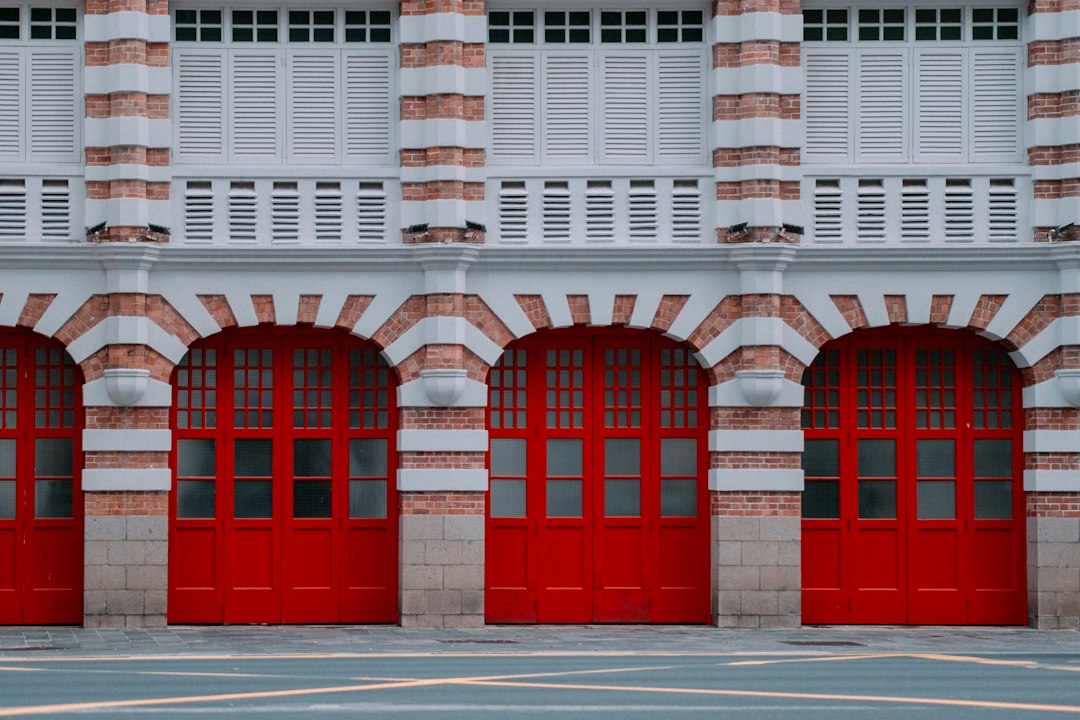
How Sales Taxes Fund Local Fire Services
Local governments typically rely on a mix of property taxes, sales taxes, and fees to fund fire and emergency services. When routine budgets cannot cover large one-time costs like constructing new fire stations, cities often turn to specific voter-approved measures.
Why a Sales Tax Instead of Other Options?
- Broader base: Sales tax spreads costs across residents, visitors, and commuters who shop in the city, not just property owners.
- Predictable revenue: A modest rate increase can generate a relatively stable stream of funding across many years.
- Voter control: Measures often include sunset dates or restrictions so funds may only be used for clearly defined purposes like fire facilities.
Alternatives, such as raising property taxes or issuing long-term bonds, can be politically tougher or more expensive over time. Still, each option has trade-offs that voters should weigh carefully.
What New or Upgraded Fire Stations Typically Provide
Even though the Fremont measure is localized, cities tend to pursue similar goals when they invest in new fire facilities. Understanding those goals can help you evaluate whether the promised benefits line up with the proposed costs.
Common Objectives of Fire Station Projects
- Improved response times: Strategically placed stations can reduce how long it takes crews to reach fires, medical emergencies, and crashes.
- Modern safety standards: New buildings usually include seismic resilience, sprinklers, and ventilation systems that older stations lack.
- Room for growing staff and equipment: As cities add paramedic units or specialized rescue teams, extra bays and living quarters become necessary.
- Community resilience hubs: Many newer fire stations double as gathering or coordination points in disasters.
In practice, that can mean replacing small, decades-old stations, relocating facilities closer to new neighborhoods, or adding entirely new sites to close coverage gaps.
What a Sales Tax Change Could Mean for Your Wallet
When residents hear about any tax increase, the first question is usually, “How much will this cost me?” The answer depends on your spending habits and the exact rate change proposed, but you can estimate your personal impact with a straightforward approach.
Estimating Your Annual Cost
- List your taxable spending: Add up what you typically spend in Fremont each month on taxable goods (groceries are often exempt, but prepared food, clothing, electronics, and many household items are not).
- Multiply by 12: Convert your monthly taxable spending into an annual figure.
- Apply the proposed rate change: Multiply your annual taxable spending by the incremental sales tax increase (for example, 0.005 for a 0.5% increase).
- Compare to benefits: Weigh this annual cost against potential improvements to emergency response and neighborhood coverage.
For some households, the result may be the equivalent of a few restaurant meals per year; for others with high local spending, the difference could be more noticeable. Businesses that make large taxable purchases in Fremont will also want to calculate their exposure.
Potential Benefits: Safety, Insurance, and Quality of Life
Supporters of fire station funding measures usually point to several public benefits that extend beyond firefighters themselves.
Faster and More Reliable Emergency Response
When stations are ideally located and fully staffed, crews can reach more calls within critical time windows. This matters not only for large structure fires but also for medical incidents, where minutes can affect survival and recovery.
Possible Insurance Advantages
Insurance companies often evaluate a community’s fire protection when setting property insurance premiums. While changes are not guaranteed, improved coverage, better staffing, and modernized stations can contribute to favorable risk scores. If a new station reduces risk in your area, long-term insurance savings might offset some of the tax impact.
Community Stability and Resilience
Beyond emergencies, modern fire stations often host safety education events, CPR classes, and disaster-preparedness workshops. In major incidents—wildfires, earthquakes, floods—these sites can also serve as coordination hubs. Strong fire infrastructure can therefore support overall community resilience.
Common Concerns About Raising Sales Taxes
Opponents of sales tax hikes often share concerns that are worth examining seriously, especially for lower-income residents and small businesses.
Regressivity and Cost of Living
Sales taxes are typically considered regressive because they take a larger share of income from lower-income households. A small change may be manageable for middle- and high-income families but still significant for people living paycheck to paycheck.
Impact on Local Shopping and Business
Higher sales taxes can influence where people choose to shop, particularly for large purchases where crossing a city line might save money. Local retailers may worry that even a modest increase could nudge customers toward nearby lower-tax areas or online options.
Trust and Accountability
Residents sometimes question whether new tax revenues will truly be spent as promised. This is why ballot measures usually highlight safeguards such as dedicated funds, limited-use restrictions, or independent audits. Voters should look for these guardrails and decide if they provide sufficient confidence.
Comparing Ways to Pay for Fire Infrastructure
When a city needs to pay for new fire stations, it has several tools available. A sales tax measure is just one of them.
| Funding Option | Who Pays | Typical Pros | Typical Cons |
|---|---|---|---|
| Sales Tax Increase | Shoppers (residents & visitors) | Broad base, can be dedicated to specific projects, often time-limited | Regressive, can affect local shopping patterns |
| Property Tax Increase | Property owners | More tied to local wealth and assets, stable revenue | Heavier impact on homeowners and landlords, may raise rents |
| General Fund Reallocation | Existing taxpayers | No new tax rate, quicker implementation | Forces cuts to other services (parks, libraries, roads) |
| Bonds or Loans | Future taxpayers (debt payments) | Spreads large costs over decades, aligns with long building life | Interest costs, may still need taxes to repay debt |
Fremont’s proposed approach represents the city’s judgment about which trade-offs are most acceptable; voters have the final say.
Quick Checklist: Questions to Ask Before You Vote
Before marking your ballot, review: What exact sales tax rate change is proposed? How long will it last? Which fire stations or projects are listed by name or location? Are funds legally restricted to fire facilities and related needs? What oversight or citizen review is promised?
How to Evaluate the Fremont Fire Station Measure
Because every local measure is unique, it is important to look beyond slogans and read the official materials carefully. Use the points below as a framework for your own decision.
1. Understand the Scope of Projects
- Identify whether the measure funds brand-new stations, replacements for outdated buildings, or major renovations.
- Look at maps or descriptions to see which neighborhoods would directly benefit from improved coverage.
- Check timelines—are projects spread over many years or concentrated in a short period?
2. Examine Oversight and Transparency
- Is there a citizens’ oversight committee or independent auditor?
- Are annual reports or public dashboards promised to track spending?
- Does the measure prohibit using funds for salaries unrelated to operating the new or upgraded stations?
3. Balance Cost Against Personal Priorities
After estimating your personal financial impact, consider how you value faster response times, upgraded facilities, and long-term public safety. Some voters treat such measures as essential infrastructure, similar to water systems and roads. Others prioritize limiting any new taxes, even for critical services, preferring that cities reprioritize existing budgets instead.

Practical Steps Fremont Residents Can Take Before Election Day
Beyond simply reading a ballot pamphlet, you can take a few targeted actions to deepen your understanding of the proposal.
- Attend or watch public meetings: City council sessions, town halls, or fire department presentations often provide detailed project lists and cost breakdowns.
- Review impartial analyses: Look for non-partisan summaries, staff reports, or fiscal impact statements that outline pros, cons, and alternatives.
- Ask fire officials direct questions: Local fire departments may hold open houses or Q&A sessions where you can ask how the measure would change coverage in your area.
- Talk with neighbors and businesses: Understanding how different groups perceive the benefits and burdens can give you a fuller picture of community sentiment.
Final Thoughts
A vote on a sales tax increase to fund new fire stations is ultimately a decision about how Fremont values public safety relative to day-to-day costs. For some residents, the prospect of stronger emergency coverage and modern facilities will outweigh the price of a slightly higher tax on local purchases. Others will argue that the city should tighten its existing budget or pursue different funding tools instead.
Whichever side you lean toward, the most important step is to cast an informed vote. By reviewing the specific projects, tax rates, oversight provisions, and your own financial situation, you can align your ballot choice with your priorities for Fremont’s future.
Editorial note: This article is an independent overview based on publicly referenced information about a Fremont ballot measure concerning a sales tax increase for new fire stations. For original coverage and updates, see the source at dailydispatch.com.