Cinema Point of Sale (POS) Solutions Market: Trends, Challenges and Opportunities
Cinema point of sale (POS) solutions have evolved far beyond basic ticketing terminals. Modern systems connect ticket sales, concessions, loyalty, and online channels into one data-rich platform. As cinemas adapt to shifting audience habits and tighter margins, POS technology is becoming a strategic tool rather than just a cash register. This article explores how the cinema POS solutions market is changing and what exhibitors should know before upgrading.
What Are Cinema Point of Sale (POS) Solutions?
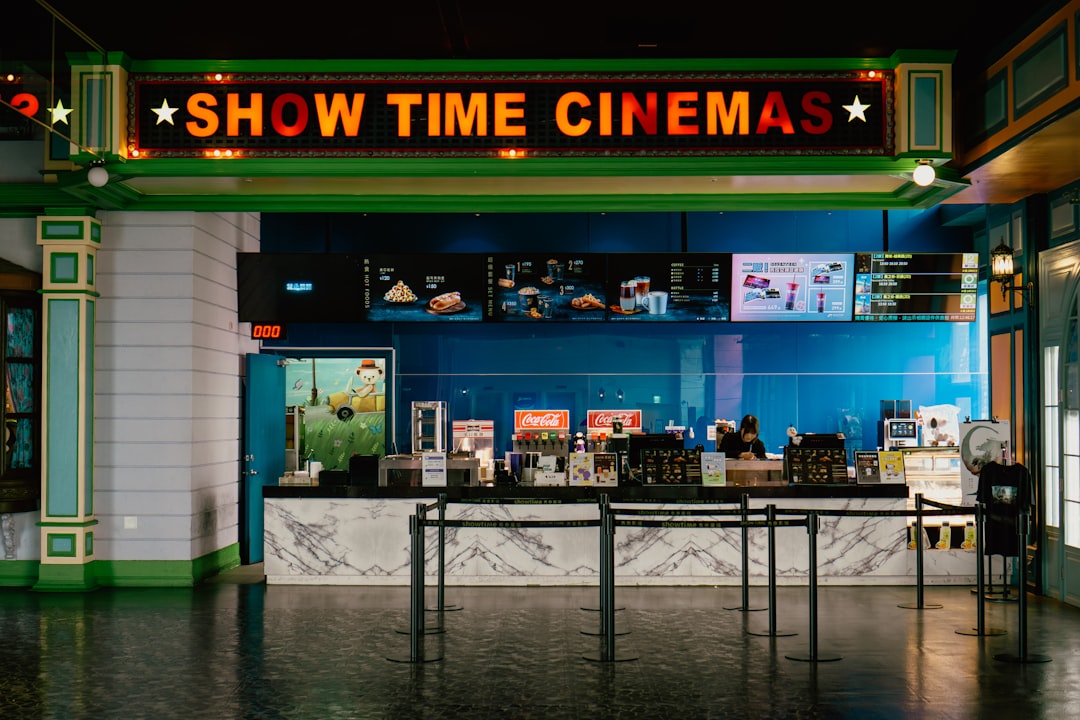
Cinema point of sale (POS) solutions are the hardware and software tools that handle transactions and operational workflows in movie theaters. They cover ticket sales at the box office and kiosks, concessions sales at the snack counter, and in many cases online and mobile purchases. Modern cinema POS platforms also integrate with loyalty programs, membership systems, seat reservations, dynamic pricing rules, and back-office reporting.
Instead of treating ticketing, food and beverage, and digital channels as separate islands, current-generation cinema POS solutions aim to unify them. This shift from stand-alone terminals to connected platforms is at the core of the market's expansion and transformation.
Key Market Drivers for Cinema POS Solutions
Several structural and technological factors are driving demand and innovation in the cinema POS solutions market. While individual regions differ, the following forces are broadly shaping the landscape.
- Shift in revenue mix: Concessions and premium offerings are taking a larger share of cinema revenue, increasing the need for efficient, upsell-friendly POS workflows.
- Omnichannel expectations: Audiences expect to browse, book, and pay seamlessly across web, mobile apps, kiosks, and physical counters.
- Post-pandemic habits: Contactless payments, advance seat booking, and reduced queuing are now standard expectations rather than luxuries.
- Data-driven decisions: Exhibitors want granular data on attendance patterns, F&B sales, and campaign performance to optimize scheduling and menus.
- Integration pressure: The need to connect POS with digital signage, CRM, accounting, and third-party marketplaces is pushing upgrades from legacy systems.
From Legacy Terminals to Integrated Platforms
The cinema POS market is moving away from simple, on-premise terminals that primarily recorded box office sales. In their place, integrated platforms now coordinate a growing range of front- and back-of-house functions.
Typical Capabilities in Modern Cinema POS
- Real-time seat maps and reserved seating for online and in-person purchases
- Unified ticket and concessions sales, including bundled offers and upgrades
- Support for multiple payment methods: cards, mobile wallets, vouchers, gift cards
- Loyalty and membership tracking with targeted rewards and pricing
- Centralized price and schedule management across multiple locations
- Reporting dashboards for occupancy, revenue, and operational KPIs
This evolution changes how cinema operators think about technology investment. Rather than purchasing isolated tools, they evaluate ecosystems that can adapt as guest behavior and content windows shift.
Cloud vs. On-Premise Cinema POS: A Practical Comparison
One of the central choices in the cinema POS solutions market is deployment model: cloud-based versus traditional on-premise systems. Each approach has strengths depending on a cinema's size, IT resources, and regulatory environment.
| Aspect | Cloud-Based Cinema POS | On-Premise Cinema POS |
|---|---|---|
| Infrastructure | Hosted by vendor, accessed via internet-connected devices | Installed on local servers within each site or head office |
| Upgrades | Frequent, automatic updates with new features | Scheduled manual updates; slower feature adoption |
| Scalability | Relatively easy to add sites, users, or terminals | Requires new hardware and local setup at each site |
| Offline resilience | May rely on local caching for outages; design varies by vendor | Can function independently of external connectivity |
| Upfront vs. ongoing cost | Lower upfront, subscription-based pricing | Higher upfront capex; lower but ongoing maintenance costs |
Many new deployments favor cloud-based or hybrid models, especially for regional and national chains that want consistent configuration across sites. However, on-premise systems remain relevant where connectivity is unreliable or specific compliance requirements apply.
Core Functional Areas in Cinema POS Solutions
1. Ticketing and Admissions
Ticketing remains the heart of any cinema POS solution. Modern ticketing engines handle complex pricing rules (matinees, peak/off-peak, loyalty tiers), seat selection, and integration with online channels. The goal is to present a single, accurate seat inventory across the website, mobile app, kiosks, and box office in real time.
2. Concessions and Food & Beverage
As cinema menus expand to include premium snacks, alcoholic beverages, and full-service offerings, concessions POS has become more sophisticated. Key features include combo building, inventory management, kitchen or bar routing, and simple modifications to handle custom orders.

3. Loyalty, Membership, and Offers
Many cinema POS platforms now embed loyalty and membership capabilities. They track visits, spend, and preferences, enabling:
- Targeted discounts for specific audiences (students, families, seniors)
- Earn-and-burn points systems usable on tickets and concessions
- Personalized offers via email, app notifications, or receipts
- Tiered memberships with perks like free upgrades or priority booking
4. Back-Office and Analytics
On the back end, cinema POS systems generate reports used to control costs and refine programming. Typical outputs include hourly sales patterns, conversion rates from visits to purchases, concession yield per head, and wastage. Multi-site operators often rely on consolidated dashboards to compare performance across locations.
Emerging Trends Reshaping the Cinema POS Market
The cinema POS solutions market continues to evolve as exhibitors experiment with new ways to attract moviegoers and monetize their visits.
- Self-service kiosks and mobile ordering: Shifting routine transactions away from staff-operated terminals to reduce queues and free staff for upselling.
- Dynamic and event-based pricing: Adjusting ticket prices based on demand, time of day, or special content (e.g., live events, premium releases).
- Deeper integration with third parties: Linking POS with payment providers, online marketplaces, marketing automation tools, and alternative content distributors.
- Advanced analytics and forecasting: Using POS data to forecast attendance, staffing needs, and stock requirements more accurately.
- Contactless and QR-based journeys: From ticket scanning to in-seat ordering where layouts permit, making the visit more seamless.
Operational and Security Considerations
While the feature set often drives purchase decisions, operational resilience and security can define the long-term success of a cinema POS deployment.
Reliability and Uptime
Cinemas operate on tight schedules, and downtime during peak showtimes can rapidly erode customer trust and revenue. Operators assess POS vendors based on offline capabilities, redundancy options, and support responsiveness.
Data Protection and Compliance
Handling payments and customer data requires adherence to payment industry standards and applicable privacy regulations. Common focus areas include:
- Secure payment tokenization and end-to-end encryption
- Role-based access control for staff at different levels
- Audit trails for discounts, refunds, and voided transactions
- Clear data retention and deletion policies for customer information
How Cinemas Can Evaluate POS Solutions
Selecting the right cinema POS solution involves balancing features, costs, and long-term flexibility. A structured evaluation process helps avoid costly missteps.
- Map current workflows: Document how tickets, concessions, loyalty, and reporting currently work, including pain points and manual steps.
- Define must-haves vs. nice-to-haves: Separate essential capabilities (e.g., reserved seating, integrations) from future ambitions (e.g., in-seat ordering).
- Assess integration needs: List all systems that the POS must connect with, from accounting software to marketing tools and access control.
- Run scenario-based demos: Ask vendors to demonstrate real scenarios: busy Friday evening, system outage, refunds for canceled shows, and group bookings.
- Test reporting and analytics: Validate that operations and management teams can easily access the metrics they rely on.
- Check rollout and support model: Understand implementation timelines, training options, and ongoing support obligations.
Quick Evaluation Checklist for Cinema POS
Use this copy-paste checklist when shortlisting vendors:
- Supports online, mobile, kiosk, and box office from one inventory
- Handles complex pricing, promotions, and memberships
- Offers real-time reporting across locations and channels
- Provides offline operation and clear uptime guarantees
- Integrates with payment providers, CRM, and accounting tools
- Meets payment security and data privacy requirements
- Includes staff training resources and responsive support
Cost Structure and ROI Considerations
Investment in a new cinema POS solution involves both direct and indirect costs, but it can unlock meaningful operational and revenue benefits when chosen well.
Typical Cost Components
- POS terminals, kiosks, and peripherals (printers, scanners, displays)
- Software licenses or subscriptions, including add-on modules
- Implementation, configuration, and data migration services
- Staff training and change management
- Maintenance, support, and potential custom development
Where ROI Often Appears
Exhibitors frequently realize returns in areas such as reduced queue times, higher concession spend per guest, fewer manual reconciliation errors, and more precise scheduling of staff and inventory. Over time, better loyalty targeting and dynamic promotions can help lift attendance and basket size.
Future Outlook for the Cinema POS Solutions Market
The cinema POS solutions market is closely tied to the broader health of theatrical exhibition, but it also benefits from ongoing digitization of payments and guest journeys. As cinemas explore alternative uses of auditoriums—such as live sports screenings, gaming events, or private rentals—POS systems will need to manage more varied products, pricing models, and customer segments.
At the same time, advances in analytics and automation are likely to make POS data an even more central asset. Theaters that actively use insights from their POS systems to adjust programming, pricing, and offers may be better positioned to navigate audience volatility and competition from home entertainment.
Final Thoughts
Cinema point of sale solutions have become strategic infrastructure rather than simple transaction tools. They sit at the intersection of guest experience, revenue optimization, and operational control. As the market shifts toward integrated, data-rich platforms, exhibitors that take a structured approach to selecting and deploying POS technology can better adapt to changing audience expectations and content strategies.
Editorial note: This article provides a general overview of the cinema POS solutions market based on publicly available industry concepts and does not rely on confidential vendor data. For additional market-oriented information, you can visit the original reference source at Market Business Insights.