Best Tools for Farm Sustainability: 10 Compared
Sustainable farming is no longer just a buzzword—it’s becoming a daily operating requirement. Whether you manage a few hectares or a large commercial operation, the right digital and field tools can help you protect your soil, save inputs, and stay profitable. This guide walks through ten key categories of sustainability tools, what they do, and how to choose the best fit for your farm without getting lost in technical jargon.
Why Sustainable Farming Needs the Right Tools
Sustainability in agriculture is about producing food while maintaining the long-term health of soil, water, and ecosystems. The challenge is doing this under pressure from climate change, volatile markets, and tightening regulations. Tools that track, measure, and guide on-farm decisions can turn sustainability from an abstract goal into everyday practice.
Instead of focusing on a single “best” product, this article compares ten essential types of tools you can combine for a practical sustainability toolkit. You can then pick specific brands or platforms that match your crops, climate, and budget.
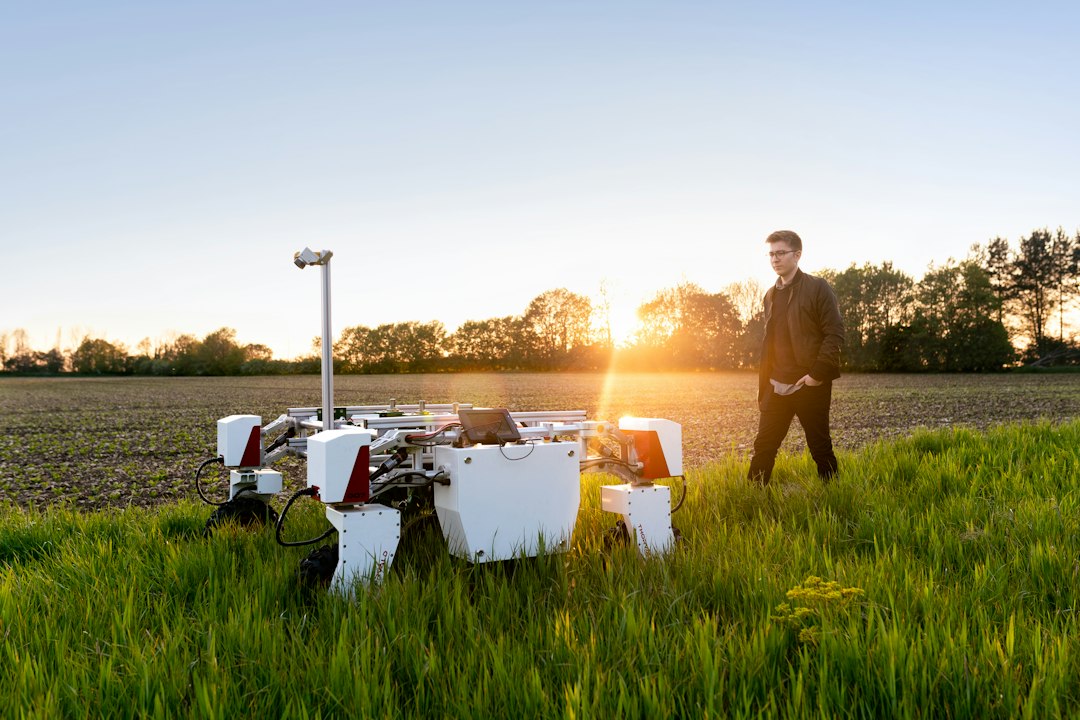
1. Satellite & Remote Sensing Platforms
Satellite and drone-based tools give you a bird’s-eye view of your fields. They typically use vegetation indices (such as NDVI) and thermal imagery to highlight variability in crop health, water stress, and biomass.
What They Help You Do
- Detect stressed areas early before symptoms are visible to the naked eye.
- Target scouting and input applications to specific zones.
- Track crop performance over time to evaluate practices like reduced tillage or cover crops.
Why They Matter for Sustainability
By applying fertilizer, herbicides, and irrigation only where needed, you reduce waste and environmental impact. Remote sensing also documents your progress, which can support certification or supply-chain reporting.
2. Soil Health Testing & Monitoring Tools
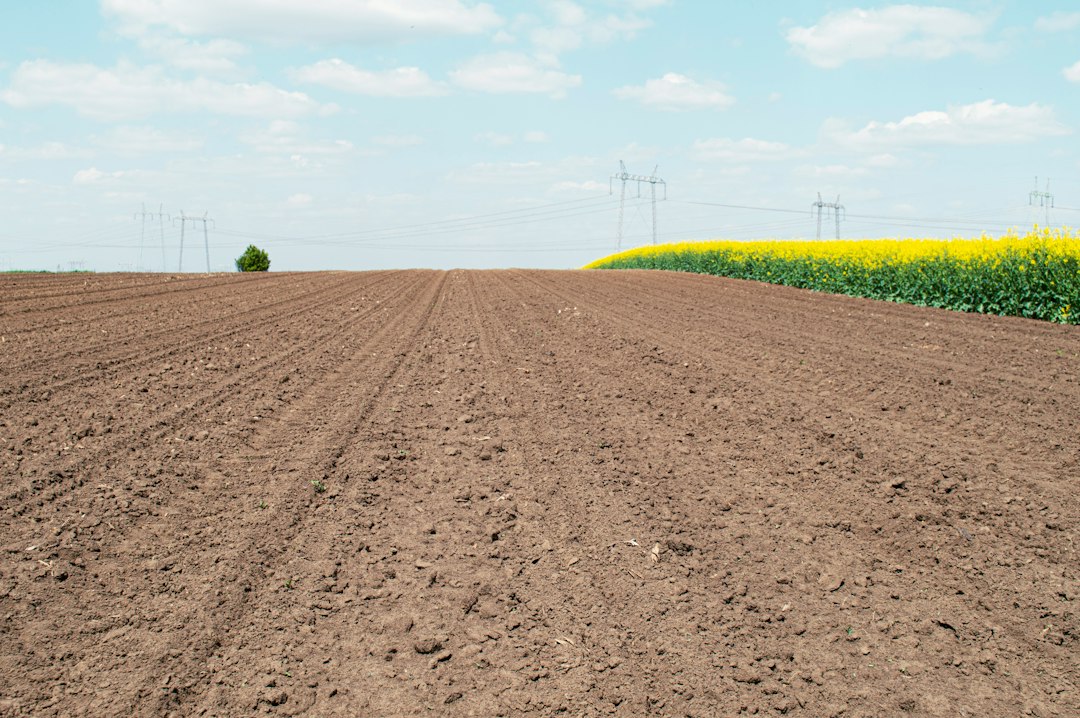
Healthy soil is the foundation of any sustainable farm. Soil-testing tools range from basic lab tests to on-farm kits and digital platforms that track results over multiple seasons.
Key Capabilities
- Measure pH, organic matter, and key nutrients like nitrogen, phosphorus, and potassium.
- Monitor structural indicators (bulk density, compaction) and biological activity.
- Store results in a digital record so you can see trends and adapt rotations or amendments.
Sustainability Benefits
Testing prevents over-application of fertilizers, reduces runoff, and supports long-term fertility. Over several seasons, you can confirm if practices like manure use, compost, or reduced tillage are actually building soil organic matter.
3. Precision Fertilizer & Variable Rate Application
Fertilizer is one of the highest costs and one of the biggest environmental risks on many farms. Variable rate technology (VRT) and precision fertilization tools use maps and sensor data to apply nutrients only where they are needed.
Typical Features
- Zone or grid-based application maps generated from yield data, soil tests, or remote sensing.
- Controllers that adjust application rates automatically as machinery moves across the field.
- Integration with guidance systems to avoid overlaps and misses.
How They Support Sustainability
Precision application reduces nutrient losses to water and air, lowers greenhouse gas emissions associated with fertilizer production, and improves nutrient-use efficiency. Over time, this can mean similar or better yields with fewer inputs.
4. Water Management & Irrigation Tools
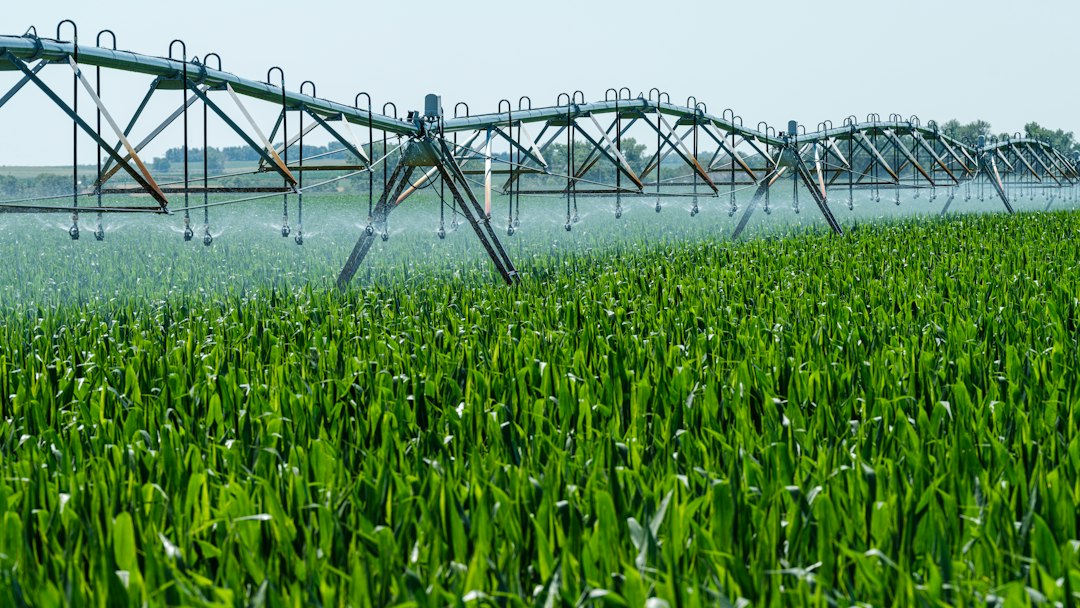
Water scarcity and rising costs make efficient irrigation a central sustainability issue. Modern tools combine soil moisture sensors, weather data, and automation to fine-tune water use.
Core Components
- Soil moisture probes that show how deep water is penetrating and how quickly it is used.
- Scheduling apps that turn weather forecasts and crop stage into irrigation recommendations.
- Smart valves or controllers that automate on/off times or adjust flow rates.
Impact on Sustainability
Optimised irrigation cuts energy use, reduces salinity risks, and protects local water sources. It also supports resilience in drought-prone regions by stretching limited water supplies further.
5. Farm Management Information Systems (FMIS)
Farm management software acts as a nerve center, bringing together data from fields, machinery, sensors, and finances. When used well, it turns scattered information into clear decisions.
What These Systems Track
- Field histories: crops, inputs, yields, and operations per year.
- Input inventories and costs to calculate margins and benchmark fields.
- Compliance records for pesticides, fertilizers, and environmental regulations.
Sustainability Angle
With a whole-farm overview, you can compare different rotations or management practices and see where sustainability improvements also save money. Many systems now include specific modules for carbon accounting or regenerative practice tracking.
6. Carbon & Environmental Footprint Calculators
As markets and policymakers focus on climate impact, farms are increasingly asked to measure their carbon footprint. Tools in this category estimate emissions and sequestration from soil, crops, livestock, and energy use.
What They Typically Include
- Greenhouse gas calculations from fertilizer, fuel, and field operations.
- Estimates of carbon storage from practices like cover cropping or agroforestry.
- Scenario planning to see how practice changes might reduce emissions.
Why This Matters
Footprint tools help you prepare for potential carbon markets, eco-label requirements, or buyer requests. They also highlight which changes (e.g., optimizing nitrogen or reducing tillage passes) give the biggest environmental gain per dollar.
7. Decision Support Tools for Crop Protection
Chemical crop protection remains a sensitive area for both environmental impact and public perception. Decision support tools combine pest models, weather data, and thresholds to avoid unnecessary treatments.
Common Features
- Real-time disease and pest risk alerts based on local weather and crop stage.
- Action thresholds to decide when intervention is justified.
- Record-keeping that links each application to a clear justification.
Environmental Gains
Fewer, better-timed applications protect beneficial organisms, reduce resistance pressure, and lower chemical residues. This is essential for integrated pest management and for farms supplying strict value chains.
8. Regenerative Practice Planning Tools
Many farmers are exploring regenerative practices such as cover cropping, diverse rotations, reduced tillage, and managed grazing. Dedicated planning tools help design and sequence these practices across multiple years.
Typical Capabilities
- Rotation planners that factor in nutrient needs, residue management, and market options.
- Cover crop species selectors based on climate, soil type, and main crops.
- Guides for transitioning fields gradually rather than changing everything at once.
These tools focus less on short-term yield and more on long-term soil function, erosion control, and biodiversity—core pillars of sustainability.
9. On-Farm Sensors, IoT & Field Hardware
While software often gets the attention, physical sensors and devices are what capture the raw data. Internet of Things (IoT) tools on farms can include weather stations, soil probes, water flow meters, and even livestock tracking tags.
How They Support Data-Driven Sustainability
- Provide real measurements instead of estimates for rainfall, temperature, and humidity.
- Detect leaks in irrigation lines or abnormal water use quickly.
- Track animal movement to improve grazing distribution and pasture health.
When linked with management platforms, these devices automate part of your monitoring, making sustainable practices easier to maintain consistently.
10. Training, Advisory & Knowledge Platforms
Tools are only as effective as the knowledge behind them. Online academies, advisory platforms, and discussion forums help farmers interpret data and convert it into action.
Key Roles They Play
- Explain what sustainability metrics actually mean in practical terms.
- Share case studies of farms using similar tools and practices.
- Offer agronomic or technical support when problems arise.
Combining digital tools with reliable advice dramatically increases the chances that new practices stick and deliver real on-farm benefits.
Comparing Sustainability Tool Types
Different tools contribute to sustainability in different ways. The table below compares broad categories rather than specific brands, helping you prioritise where to invest first.
| Tool Type | Main Sustainability Focus | Typical Cost Level | Time to See Impact |
|---|---|---|---|
| Satellite & Remote Sensing | Input efficiency, early stress detection | Low–Medium (per ha or subscription) | 1 season |
| Soil Health Monitoring | Long-term fertility, nutrient balance | Low–Medium (testing, platforms) | 2–5 seasons |
| Precision Fertilizer / VRT | Nutrient losses, emissions | Medium–High (hardware/software) | 1–2 seasons |
| Water Management Tools | Water use, energy, drought resilience | Medium–High (sensors, automation) | 1–3 seasons |
| FMIS & Carbon Calculators | Whole-farm planning, climate impact | Low–Medium (subscriptions) | 1–3 seasons |
Quick-Start Toolkit for a More Sustainable Farm
If you’re overwhelmed by options, start with three essentials you can usually implement within a season:
1) A satellite or remote sensing service for field monitoring;
2) Regular soil tests stored in a simple digital log;
3) A basic farm management app that records inputs and yields by field.
These three steps create a data backbone for smarter water, fertilizer, and crop protection decisions in the following years.
How to Choose the Right Sustainability Tools
Every farm is different, but a structured approach helps you avoid wasted investments and “tool fatigue.”
- Define your top sustainability pain point. Is it water, soil erosion, input costs, or compliance pressure?
- Map current data sources. List what you already measure (yields, soil tests, rainfall) and where it is stored.
- Pick one tool category to improve first. For example, irrigation scheduling in a water-scarce region.
- Pilot on a limited area. Try new tools on a few fields and compare to your usual practice.
- Evaluate both profit and environmental impact. Track changes in costs, yields, and key indicators like soil tests or water use.
- Scale gradually. Only extend tools across the farm once they prove their value in your conditions.
Common Mistakes to Avoid
- Chasing technology without a clear goal. Start with a concrete problem, not with a gadget.
- Ignoring staff training. Even simple apps require time for everyone to use them correctly.
- Not backing up or standardising data. Consistent field names and units prevent confusion later.
- Expecting instant soil transformation. Some sustainability gains, especially in soil health, take several seasons.
Final Thoughts
Sustainable farming is ultimately about making better decisions repeatedly over many seasons. No single app or sensor can deliver that on its own, but the right mix of tools can make those decisions clearer, faster, and more reliable. By focusing on soil health, efficient use of inputs, and accurate monitoring, you build a resilient system that can adapt to changing weather, markets, and regulations.
Start small, measure carefully, and add tools only when they help you answer real questions on your farm. Over time, the combination of data, experience, and practical technology becomes one of your strongest assets in farming sustainably and profitably.
Editorial note: This article is an independent, educational overview inspired by topics discussed at the Farmonaut website. It does not represent official guidance from any specific tool provider.