Best Foldable Phones to Buy in 2026: A Complete Buying Guide
Foldable phones have moved from futuristic concepts to serious daily drivers, and 2026 is the year many people will finally consider switching. But with different shapes, hinge designs, and price brackets, it’s easy to feel lost. This guide walks you through the main types of foldables, what specs actually matter, and how to choose the right model for your budget and lifestyle. We won’t pick a single “winner,” but we’ll give you a clear framework to spot the best foldable phone for you.
Why Foldable Phones Matter in 2026
Foldable phones have matured dramatically over the last few years. Early models were exciting but fragile, with visible screen creases, short battery life, and unpolished software. In 2026, the best foldable phones feel far closer to traditional flagships, while still offering a tablet-like screen that fits in your pocket.
Instead of asking “Are foldables ready yet?” the question has shifted to “Which foldable should I buy?” This guide focuses on the core decisions you need to make in 2026, rather than on specific brand hype or short‑lived model names.
Two Main Categories: Clamshell vs Book-Style
Although manufacturers experiment with different shapes, almost all consumer-ready foldables in 2026 fall into two families: compact clamshells and book-style foldables.
Clamshell Foldables (Flip Phones)
Clamshell foldables look like regular smartphones when open, but fold vertically to become a small square in your pocket. They emphasize portability and style over raw screen area.
- Form factor: Tall main display, folds in half like classic flip phones.
- Outer screen: Ranges from small notification windows to almost full-size mini displays.
- Best for: People who want a compact phone, one-handed use, and a playful design.
Book-Style Foldables
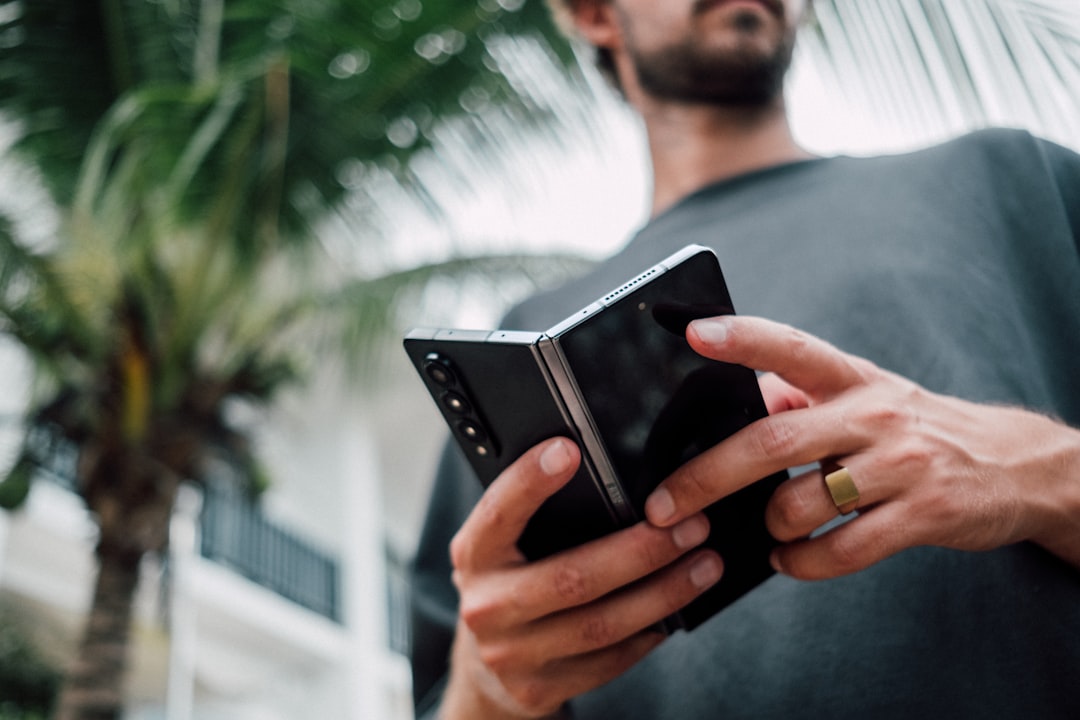
Book-style foldables open like a book to reveal a tablet-sized inner screen. They’re built for productivity, reading, and immersive media.
- Form factor: Phone-sized outer screen, tablet-like inner screen when unfolded.
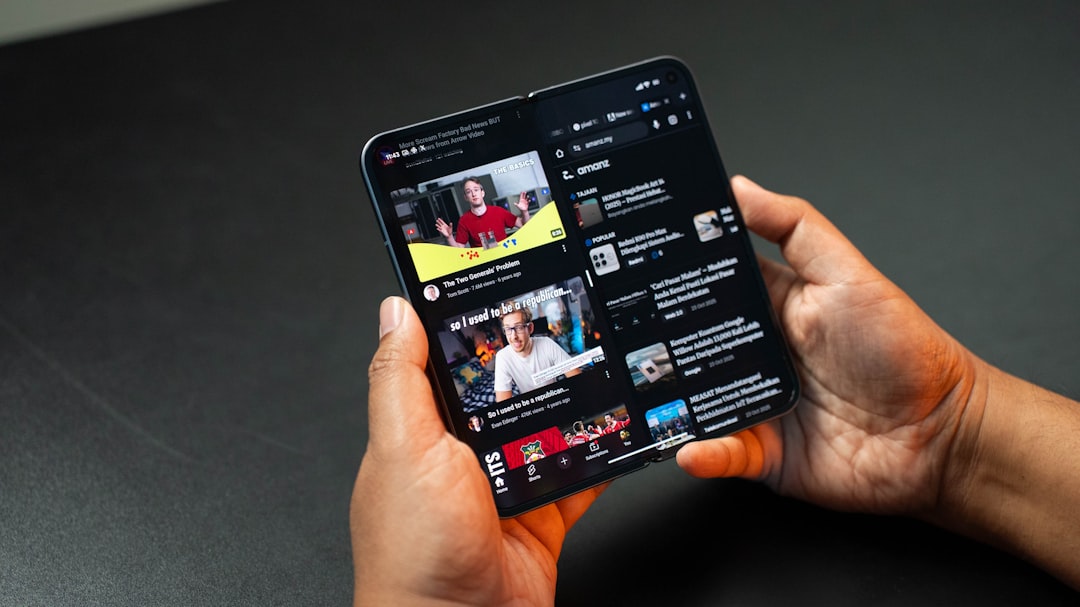
- Multitasking: Frequently supports two or three apps side by side.
- Best for: Users who prioritize work, media consumption, and multitasking.
Key Factors to Compare in 2026 Foldables
When you shop for the best foldable phone in 2026, spec sheets can be overwhelming. These are the areas that matter most in real-world use.
1. Hinge Design and Durability
The hinge is still the heart of a foldable phone. Modern hinges are water- and dust-resistant, use more robust materials, and promise hundreds of thousands of folds, but there are still differences between models.
- Rated folds: Many devices now advertise 300,000+ folds, roughly 5–7 years of normal use.
- Ingress protection: Check for an official IP rating for water (and ideally dust) resistance.
- Gap when closed: Newer hinges close flat, which reduces lint and pocket debris getting inside.
Look for user reports about creaking, wobble, or early hinge failures, as these can reveal weaknesses that won’t show on spec sheets.
2. Inner and Outer Displays
Foldables effectively give you two screens, and both matter.
- Outer display usability: On book-style models, make sure the cover screen is wide enough for comfortable typing.
- Refresh rate: Premium foldables usually offer 120 Hz on one or both screens for smoother scrolling.
- Brightness: High peak brightness is crucial for outdoor visibility, especially on reflective inner panels.
- Crease visibility: Creases are still present but have become more subtle. In-store testing can be helpful here.
3. Battery Life and Charging
Two displays and complex hinges don’t automatically mean poor battery life anymore, but power management still varies significantly.
- Capacity: Bigger book-style foldables often have larger batteries than compact clamshells.
- Charging speed: Look at both wired and wireless charging, plus whether a charger is included in the box.
- Real-world endurance: Pay attention to reviews that include heavy mixed use (camera, video, maps, and multitasking).
4. Cameras on Foldable Phones
Camera performance on foldables used to lag far behind slab flagships. In 2026, premium foldables typically offer competitive main cameras, but telephoto and low-light performance can still differ.
- Main camera parity: Some models now share sensors with their non-foldable flagship counterparts.
- Telephoto/zoom: Larger book-style designs sometimes fit higher-quality zoom lenses than clamshell phones.
- Selfie flexibility: Many foldables let you use the main camera for selfies by folding the phone halfway and using the outer screen as a viewfinder.
Clamshell vs Book-Style: Which Is Right for You?
If you’re stuck choosing between a compact foldable and a book-style device, think about how you actually use your phone during a normal day.
| Aspect | Clamshell Foldable | Book-Style Foldable |
|---|---|---|
| Portability | Very pocket-friendly, small when folded | Bulkier and heavier, closer to two phones stacked |
| Screen size | Standard phone size when open | Tablet-like inner display for media and work |
| Productivity | Similar to a regular smartphone | Better for multitasking and document work |
| Battery capacity | Usually smaller | Typically larger, but powering a bigger screen |
| Style factor | High; nostalgic “flip” experience | More utilitarian, “tablet in a pocket” appeal |
Software and Multitasking: The Real Secret Weapon
On paper, many foldables seem similar. In practice, software is what makes or breaks the experience.
Adapted Apps and Layouts
Top-tier foldables in 2026 offer refined multitasking tools and app layouts that adapt smoothly to folding and unfolding.
- App continuity: The app you’re using on the outer screen should transition smoothly to the inner screen without restarting.
- Split-screen and floating windows: Look for support for at least two apps side by side, plus the ability to add a floating window for chat or notes.
- Fold-aware features: Some devices use “laptop mode” when half-open, placing controls on one half and content or video on the other.
Update Policy and Longevity
Foldables are expensive, and long-term software support is crucial.
- OS upgrades: Many premium phones now promise 4–7 years of major updates.
- Security patches: Prefer devices with at least 5 years of security updates for safe long-term use.
Price, Storage, and Value in 2026
Foldables still cost more than traditional phones, but prices have become more realistic as competition increased.
- Entry-level clamshells: Often priced near standard flagships, with modest compromises in cameras or zoom.
- Premium clamshells: Close to top slab flagships, with more RAM, storage, and refined outer displays.
- Book-style foldables: Typically the most expensive, especially with higher storage tiers.
Because resale values for foldables can be uncertain, consider trade-in offers and extended warranties if you plan to upgrade regularly.
Quick Spec Checklist Before You Buy
Before checking out, confirm these essentials: at least 256 GB storage, 8–12 GB RAM, 120 Hz main display, an official water-resistance rating, 4+ years of OS updates promised, and support for fast charging (wired and, ideally, wireless). Keeping this mini-checklist handy will help you quickly rule out weaker options.
Who Should (and Shouldn’t) Buy a Foldable in 2026
Foldables are more mainstream in 2026, but they still aren’t for everyone.
Great Candidates for Foldables
- Heavy multitaskers: People who juggle email, docs, and messaging will benefit most from tablet-like inner screens.
- Mobile content creators: Creators who film and edit video on their phone can use the flexible hinge like a built-in tripod.
- Commuters and travelers: Those who watch a lot of video, read ebooks, or manage work on the go.
- Tech enthusiasts: Users who enjoy experimenting with new form factors and software features.
Who Might Prefer a Traditional Flagship
- Rugged-use users: People who often drop their phone or work in harsh environments may prefer a conventional ruggedized device.
- Budget-conscious buyers: If price is the main concern, mid-range slab phones offer better value.
- Maximum camera purists: Some bar-style flagships still offer the very best zoom systems and image pipelines.
Practical Steps to Choose the Best Foldable Phone for You
Use this simple process to narrow down the sea of options in 2026.
- Pick your category: Decide first between a clamshell (compact, stylish) and a book-style foldable (productivity, large screen).
- Set your budget: Define a realistic range, including potential trade-in value or installment plans.
- Check size and weight: Visit a store if possible and hold the phone folded and unfolded to ensure it’s comfortable.
- Evaluate the outer screen: Make sure you can reply to messages, use navigation, and take quick photos without always unfolding.
- Inspect the crease and hinge: Look for visible creases and test how sturdy and smooth the hinge feels.
- Compare cameras: Focus on main and telephoto performance, plus how easy it is to take selfies using the main camera.
- Review software promises: Confirm years of OS and security updates, and look at how polished the multitasking interface appears.
- Consider protection: Price out cases, screen protectors, and extended warranties before finalizing your purchase.
Future Trends to Watch Beyond 2026
Even if you buy a foldable now, it’s useful to know where the market is heading.
- Thinner, lighter designs: Ongoing hinge refinements and new materials will gradually reduce bulk.
- Less visible creases: New panel technologies are shrinking crease depth and width each generation.
- Improved dust resistance: More models are likely to gain full dust and water IP ratings.
- More diverse price tiers: Expect more mid-range foldables with slightly pared-down specs.
Final Thoughts
The best foldable phones to buy in 2026 are no longer fragile prototypes—they’re serious competitors to traditional flagships. Your ideal choice depends less on raw specifications and more on form factor, software polish, and how you actually use your phone. If you value portability and style, a clamshell model is probably your best bet. If you live in your inbox, work on the go, or consume lots of media, a book-style foldable can genuinely replace both your phone and your small tablet.
By paying close attention to hinge quality, display usability, long-term software support, and camera flexibility, you can confidently pick a foldable that will still feel modern several years from now.
Editorial note: This article is an independent overview based on general market trends around foldable phones in 2026. For specific device recommendations and hands-on impressions, see the original coverage at PhoneArena.