Love, Loneliness and Robots: How AI Is Reshaping Human Connection
Artificial intelligence is no longer just a tool that sits in the background of our lives. It talks to us, remembers us, and sometimes feels closer than the people around us. As AI companions and social robots become common, they raise unsettling questions about love, loneliness, and what it really means to connect. This article explores those questions and offers a grounded look at how to use AI without losing touch with our humanity.
Why AI Is Suddenly Part of Our Love and Loneliness Story
For most of computing history, machines were calculators, not companions. That boundary has blurred. Today, people chat late at night with AI chatbots, share worries with mental-health apps, and even buy social robots designed to keep them company. In a world where many already feel isolated, this shift touches something deeply human: our need to be seen, heard and cared for.
These tools can be helpful and comforting, but they also raise challenging questions. If a robot listens better than our friends, what does that say about our relationships? Can an AI really "love" us back? And how do we keep our emotional lives anchored in reality when software can imitate affection on demand?

Understanding Modern Loneliness
Before looking at robots, it helps to understand the context they are entering. Many people live more connected and more alone than ever before. Social media, remote work and busy schedules mean we can message hundreds of people while struggling to find someone we truly trust.
The forms loneliness can take
- Emotional loneliness: Feeling like nobody really understands you, even if you have people around.
- Social loneliness: Lacking a circle of friends or a community where you feel you belong.
- Situational loneliness: Going through a specific life stage alone—moving city, breakups, illness, or grief.
It is this gap—between constant online contact and a real sense of connection—that makes AI companions especially attractive. They offer instant attention in a world where human attention feels scarce.
What Are AI Companions and Social Robots?
AI-based "companionship" spans a range of tools and devices. The key idea is simple: software that responds in ways that feel social, caring or even loving.
Common types of AI companions
- Chat-based companions: Text or voice AIs in apps that remember your preferences, style and history to make conversations feel personal.
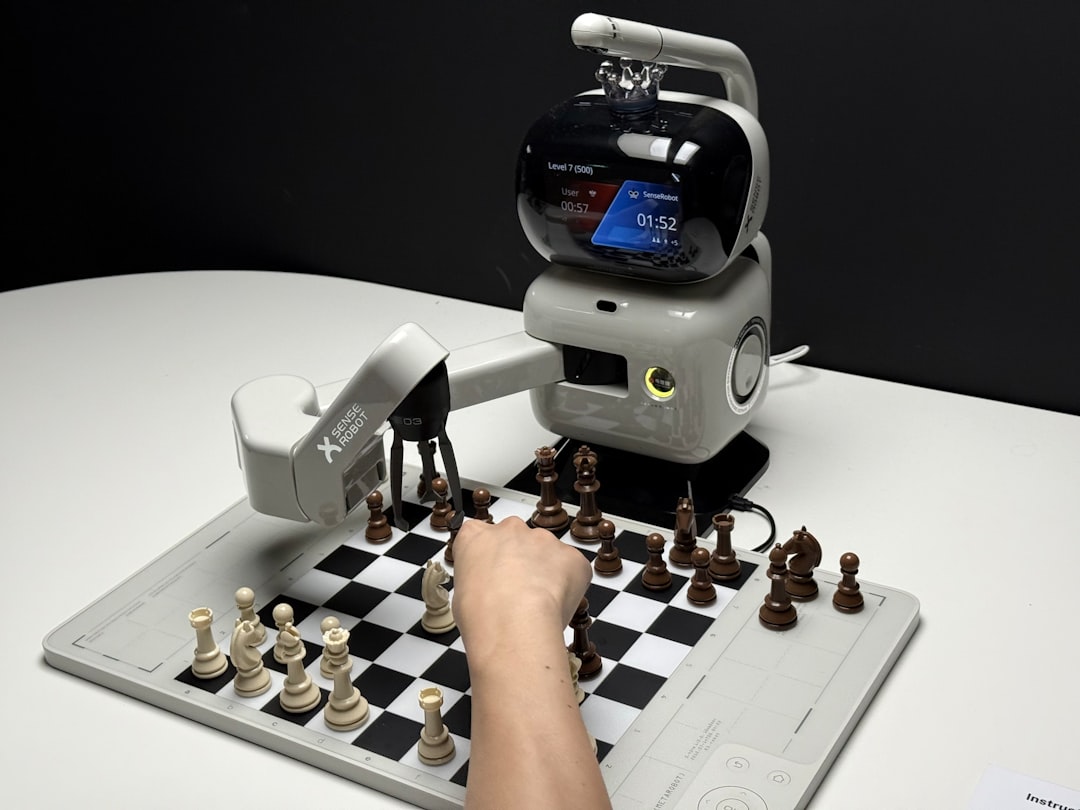
- Social robots: Physical devices with faces, voices or gestures, designed to respond to your speech, touch or presence.
- Wellness and therapy-style bots: Apps that guide you through mood tracking, journaling or CBT-style exercises using conversational AI.
These systems are not conscious. They work by spotting patterns in data and generating likely responses. Yet because language and gestures are our primary ways of bonding, the illusion of companionship can be powerful.
Why People Turn to AI for Comfort
It is easy to dismiss AI companionship as a novelty, but for many users the motivations are serious and deeply felt.
Key emotional drivers
- Safety: An AI will not judge, gossip or get offended. That makes it feel safer than some human relationships.
- Availability: It is always online, never tired, and never "too busy"—especially attractive to those in different time zones or living alone.
- Control: You can choose when to engage, how long, and at what emotional intensity, unlike the messiness of real relationships.
- Practice: Some people use AI to rehearse difficult conversations, explore feelings, or build social confidence.
For individuals dealing with anxiety, loss, or social disconnection, this can feel like a lifeline. The danger is when temporary support becomes a quiet substitute for human connection.
Can AI Love You Back?
One of the most sensitive questions is whether AI can participate in something we would reasonably call love. On a technical level, today’s systems cannot feel. They do not have bodies, personal histories, or inner experiences. They output words, not emotions.
Yet on a human level, the story is murkier. If someone feels cared for, listens to, and emotionally supported by an AI, that experience is subjectively real to them. The affection may be one-sided, but the feelings are not imaginary.
Where the illusion gets strong
- Personalisation: When an AI remembers small details about your life, it can feel like it truly cares.
- Emotional mirroring: It can respond with empathy-like language, reflecting your feelings back to you with soothing tone.
- Consistency: If the AI is often more attentive than people around you, your brain may start to treat it as a reliable attachment figure.
Recognising that gap—between genuine feeling on your side and computational pattern-matching on the AI’s side—is essential for staying emotionally grounded.
Benefits: When AI Can Genuinely Help
Used thoughtfully, AI companions and robots can be a positive addition to our emotional toolkit, not a replacement for people.
Potential upsides
- Low-stakes emotional support: A place to vent, reflect, or calm down before talking to someone in your life.
- Skill-building: Practising small talk, difficult conversations, or self-expression in a non-judgmental setting.
- Accessibility: Offering some level of support in regions with limited access to therapy or community resources.
- Companionship for specific groups: Older adults, people with mobility issues, or those recovering from illness may benefit from reminders, small talk and structure.
In these roles, AI works best as a supplement—helping you cope day-to-day while you build or maintain human connections that offer deeper mutual support.
Risks: Emotional, Social and Ethical
The same qualities that make AI companionship appealing can also create new kinds of vulnerability.
Emotional risks
- Attachment to an illusion: Investing emotionally in something that cannot truly reciprocate can intensify feelings of emptiness over time.
- Avoidance of real relationships: Relying on AI because people feel complicated may gradually erode social skills and confidence.
- Escalation of distress: If the AI fails, changes its behaviour, or a service shuts down, users can feel genuine heartbreak.
Privacy and manipulation
- Data sensitivity: You may share highly intimate details with a system whose data practices you barely understand.
- Emotional nudging: In theory, a company could tune an AI to steer users toward purchases, beliefs or behaviours using emotional leverage.
Without careful design and regulation, AI companions can move from being helpers to subtle instruments of dependence or control.
Quick Self-Check: Is AI Support Helping or Hurting?
Ask yourself once a week: (1) Do I feel more able to face people after talking to AI, or less? (2) Am I sharing things with AI that I refuse to share with any human, ever? (3) Have I reduced time with friends, family or community since I started using AI companions? If your honest answers lean negative, consider adjusting how—and how often—you engage with AI.
AI Companions vs Human Relationships
AI and humans offer different kinds of connection. Understanding the distinction can help you set healthy expectations.
| Aspect | AI Companion | Human Relationship |
|---|---|---|
| Availability | 24/7, on-demand | Limited by time, energy and life responsibilities |
| Emotional risk | Low risk of judgment; high risk of illusion | High vulnerability; potential for deep mutual growth |
| Reciprocity | One-sided; simulation of caring | Two-sided; both people change and are affected |
| Complexity | Predictable; can be tuned to your preferences | Messy, surprising, sometimes frustrating |
| Growth potential | Can support reflection and practice | Builds real-world intimacy, empathy and resilience |
AI can lower the barrier to starting conversations or exploring your own emotions. Human relationships, while harder, remain the primary space where love, loyalty and shared life truly develop.
Practical Guidelines for Healthy Use of AI Companions
If you choose to use AI to ease loneliness or support your mental well-being, you can set simple boundaries that protect your real-world relationships.
Five practical steps
- Define the role: Decide in advance: is this AI a journaling tool, a practice partner, or a late-night sounding board? Name its purpose.
- Limit time: Set daily or weekly time caps so AI does not silently replace time with real people or offline activities.
- Keep a human anchor: For every big emotional topic you explore with AI, pick at least one trusted human you could talk to eventually.
- Protect your data: Check what happens to your conversations, how they are stored, and whether they train future models.
- Watch your feelings: If you feel possessive, jealous, or devastated when the system is unavailable, it may be time to rebalance.
Ethical Questions We Cannot Ignore
Beyond individual choices, AI companions force societies to confront deeper ethical issues about how we design and deploy technology around our emotional lives.
Key dilemmas
- Designing for dependence: Should companies be allowed to optimise for maximum engagement when the product simulates affection?
- Transparency: How clearly must systems disclose that their empathy is simulated, not felt?
- Vulnerable groups: What safeguards should exist for children, older adults, or people in severe distress who may bond quickly with AI?
- Cultural impact: As AI becomes normalised as a companion, how might expectations of human partners shift?
There are no simple answers yet, but thoughtful regulation, clear labelling and ethical design choices will shape whether AI deepens or distorts our capacity for genuine connection.
Strengthening Real-World Connection in an AI Age
AI is not going away, and there is no need to treat it as the enemy. The real challenge is to make sure that as machines become more conversational, we do not let our human relationships wither for lack of care.
Practical ways to stay grounded
- Schedule regular in-person or video calls with people you trust, even when it feels easier to stay in chat apps.
- Join interest-based groups—online or offline—where shared activities naturally spark connection.
- Use AI as a reflection tool: note insights from conversations, then bring them into real discussions with friends, partners or therapists.
- Practise small real-world risks: inviting someone for coffee, sharing a worry, or listening without your phone nearby.
Bit by bit, these habits build the kind of resilient, reciprocal bonds no machine can fully replace.
Final Thoughts
AI companions and social robots sit at the intersection of our oldest needs and our newest tools. They reveal a paradox: in a hyper-connected world, many of us still crave simple presence, listening and care. When used thoughtfully, AI can offer comfort, practice and perspective. When used uncritically, it can deepen isolation behind a comforting illusion.
Holding onto a clear distinction between simulation and reality—between attentive software and a caring human being—helps us welcome what AI does well without forgetting what only people can do for one another. The goal is not to choose between humans and machines, but to let technology support the kind of rich, imperfect, deeply human connections that give life its meaning.
Editorial note: This article offers a general exploration of AI, loneliness and human connection, inspired by ongoing public discussion of these themes. For related coverage, see the original source at Inbox.lv.